

Every trip to Maui ends the same way. Somewhere around the second plate of poke, one of us pulls up real estate listings and asks a dangerous question. Could we really live here? So this time, we did the homework. We looked past the resorts and picked the five towns where we’d happily unpack our knives and our wine glasses.
Our rule was simple. Each town had to pass the grocery run test, the Tuesday night dinner test and the “would we still love this in month 14” test. Here’s how they stacked up.
How We Narrowed It Down
A vacation town and a home town are two different things. We wanted real neighbors, good food close by and a reason to leave the house that didn’t involve a tour bus.
We also had to be honest about money. The Realtors Association of Maui reported a $1,445,000 median for single-family homes in January 2026, with condos at $629,950. Nobody moves here for a bargain.
You’ll notice that Lahaina isn’t on our list. That’s on purpose. The town is still rebuilding after the 2023 fires, and the University of Hawaii says about 57 percent of fire-damaged lots show no permit activity. Housing there should go to the families trying to come home.
Moving to Maui Takes More Than a One-Way Ticket
Falling for the island is the easy part. Moving to Maui means thinking like a shipping clerk, because almost everything you own has to cross the Pacific on a boat.
Your furniture, your car and your 40 bottles of Pinot all need a plan. This is where experienced Maui movers earn their keep. Wailea Movers, a family-owned company based in Kihei, can handle packing, storage and the ocean shipping between the island and the mainland. If you’re making the leap, we’d get that sorted before we signed anything.
Pets take even more planning. Hawaii is rabies-free, and dogs and cats that miss the state’s requirements can be quarantined for up to 120 days. Direct release at Kahului also needs a separate permit and an approved local vet, so start months ahead.
With the logistics out of the way, let’s get to the fun part.
1. Paia, for the Salt Air
The draw. This old sugar town on the North Shore has wooden storefronts, surf shops and a loose, barefoot feel. Hookipa, one of the world’s great windsurfing beaches, is just down the road.
What we’d eat. Fresh fish, as often as possible. Paia Fish Market is the classic for a casual plate, and Mama’s Fish House is close by when an anniversary comes around.
The catch. You’ll share the main street with everyone driving the Road to Hana. Parking can test a marriage.
2. Makawao, for the Cream Puffs
The draw. Makawao sits on the slopes of Haleakala, and it still feels like cowboy country. Paniolo, the Hawaiian cowboys, have worked these uplands since the late 1800s. The town’s Fourth of July rodeo is the largest paniolo competition in the state.
What we’d eat. T. Komoda Store has been around since 1916, and people line up for its cream puffs. We’d be regulars, and we’d learn fast that it closes on Wednesdays and Sundays.
The catch. It’s cooler and mistier up here, and the beach is a drive away. We’d call that a fair trade for sleeping with the windows open.
3. Kula, for the Farm Stands
The draw. If you cook, this is the one. Kula’s volcanic soil grows much of the produce that ends up in the island’s best restaurants. The views run all the way down to the Pacific.
What we’d eat. Whatever came out of the ground that week. Kula onions are famous for their sweetness. Ali’i Kula Lavender Farm is nearby, and a drive to the winery at Ulupalakua sounds like a very good Saturday.
The catch. Errands take time, and the winding roads add up. Wildfire is also a real concern across Upcountry, so talk to an insurance agent before you fall in love with a view. That same University of Hawaii report says property insurance premiums rose 13 percent statewide in 2024.
4. Wailuku, for Everyday Life
The draw. This is the county seat and the most lived-in town on our list. Old storefronts line Market Street, and Iao Valley sits just up the road. Its famous needle rises 1,200 feet from the valley floor. Better yet, Hawaii residents with a valid ID get in free, while visitors need a reservation.
What we’d eat. Dry mein at Sam Sato’s, a local institution. Wailuku is where you go for a plate lunch without a resort markup.
The catch. It’s less polished than other parts of the island, and there’s no beach at the end of the street. For us, that’s part of the appeal.
5. Kihei, for the Sunsets
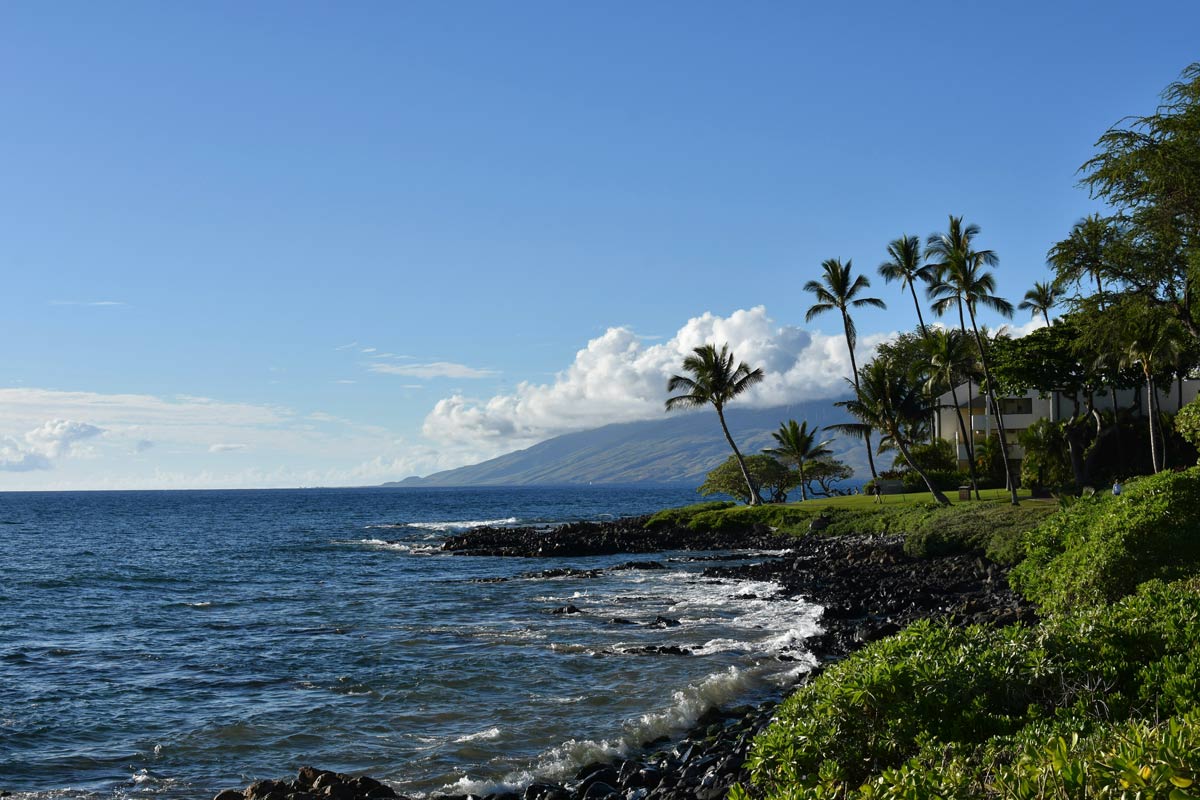
The draw. Kihei runs along the sunny South Shore, with miles of beaches and an easy, condo-filled rhythm. You could swim before work and still make your first call.
What we’d eat. Food trucks, tacos and poke, usually with sand on our feet. Kihei Caffe is a local favorite for breakfast. You won’t need to go to the resorts for a good meal.
The catch. Traffic builds, and the strip isn’t quiet. Condo buyers should also read up on the county’s plan to phase out roughly 7,000 short-term rentals in apartment-zoned buildings, which the university’s report covers too. That could reshape the market here.
What Every Town Has in Common
A few things come with the Maui address, wherever you land. Good poke is often sold at the grocery store counter, and plate lunch is a way of life. Fruit trees hang over fences. Your neighbors will probably hand you a bag of mangoes or avocados at some point, and you should accept it gratefully.
For a couple who plan their days around food, that’s the real attraction. Friendly weather is nice, but we’d move for the mangoes.
The One We’d Pick First
If we had to sign a lease tomorrow, we’d choose Makawao. The cooler air suits a couple who love red wine, the bakery is a dangerous distance from the front door, and we’d be close enough to Kula to shop like chefs. Kihei would be the backup plan on days when we miss the ocean.
Before you do anything drastic, spend a few weeks in your favorite town outside of peak season. Go to the grocery store. Sit in the traffic. Eat at the places the locals like. If you still want to stay, you’ll know it’s more than a vacation crush.

Laura Lynch, creator and writer of Savored Journeys, is an avid world traveler, certified wine expert, and international food specialist. She has written about travel and food for over 20 years and has visited over 75 countries. Her work has been published in numerous guidebooks, websites, and magazines.