

If you love wine and travel equally, Europe is your dream playground. Beyond the well-trodden vineyards of France and Italy lie dozens of regions where wine isn’t just a drink. It’s a way of life. From sun-soaked hills in Portugal to alpine cellars in Slovenia, these wine regions are rich with character, history, and a whole lot of flavor. Whether you’re into bold reds, crisp whites, or sparkling surprises, here are 18 European wine destinations that deserve a spot on your itinerary, and maybe your bucket list too.
Bordeaux Wine Region, France

Bordeaux is known, informally, as the wine capital of the world. There is an enthralling combination of history, medieval culture, and good food and wine that makes Bordeaux a prime destination for wine lovers. If you stayed in Bordeaux for a full week of wine tasting, you would still feel that you only scratched the surface. You’ll want to save time to explore all of the famous regions, including Medoc, Graves, Saint-Emilion, Pomerol, and the Sauternes region that produces amazing, sweet white wine.
Burgundy Wine Region, France (aka Bourgogne)

Pinot Noir and Chardonnay fans love the Burgundy (Bourgogne) wine region in France. As one of the main regions for Old World wine, Burgundy is steeped in history. The narrow valley in eastern France runs along a steep mountain range from Dijon in the north to Lyon in the south, encompassing several famous sub-regions. In this region, terroir is taken very seriously and labels are given to designate between the most prestigious plots of land, from Grand Cru vineyards to village-specific appellations.
Champagne Region, France
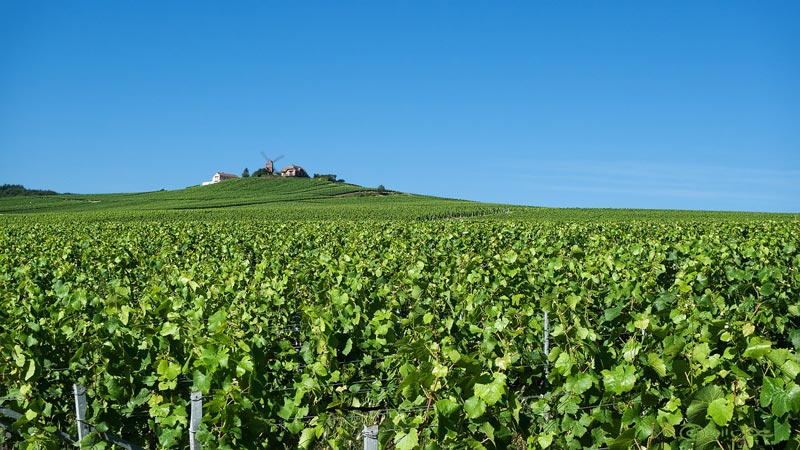
One of the most famous wine regions in Europe, Champagne is an ideal destination for a day trip from Paris, but there are many Champagne houses to explore in both Reims and Epernay, where you’ll find prestigious names like Veuve Clicquot and Tattinger. The Champagne region was recently named a UNESCO World Heritage site, which is a major draw for tourism to the area, along with the beautiful rolling hillsides full of vineyards.
La Rioja Wine Region, Spain
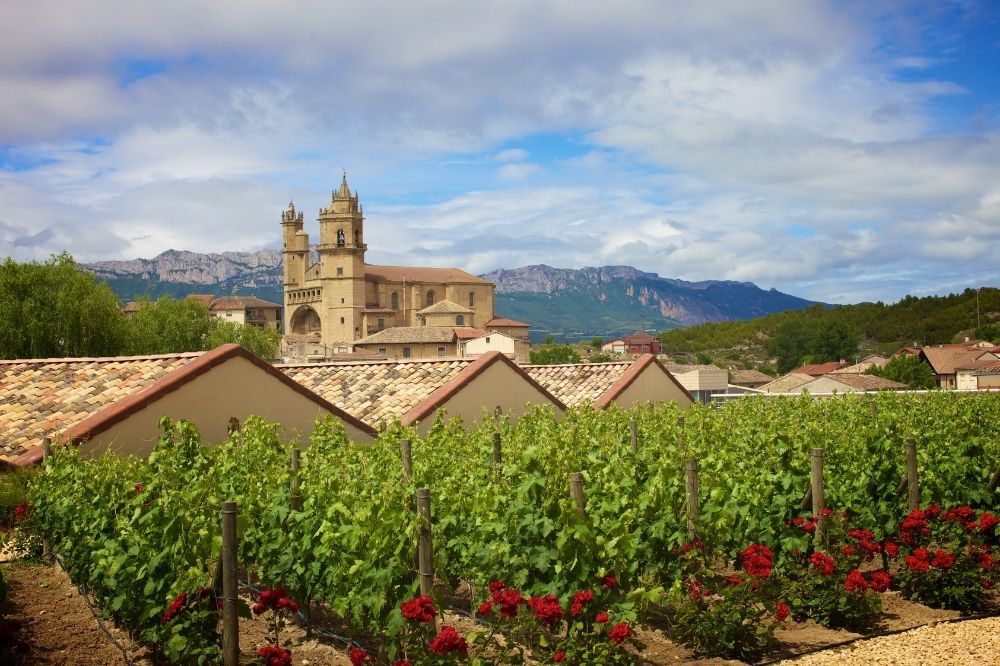
The foothills of the Pyrenees Mountains are home to more than five hundred wineries. From lovely family-owned vineyards to major industrial wineries that pump out millions of bottles of wine per year. The Rioja region is well known for its Tempranillo wines that are aged and sold at just the right drinking age to be properly enjoyed. The area is very easy to get around and is the perfect spot for wine lovers who want to get away from the city and see the countryside.
⇒ Read our guide on the Rioja Wine Region.
Loire Valley Wine Region, France
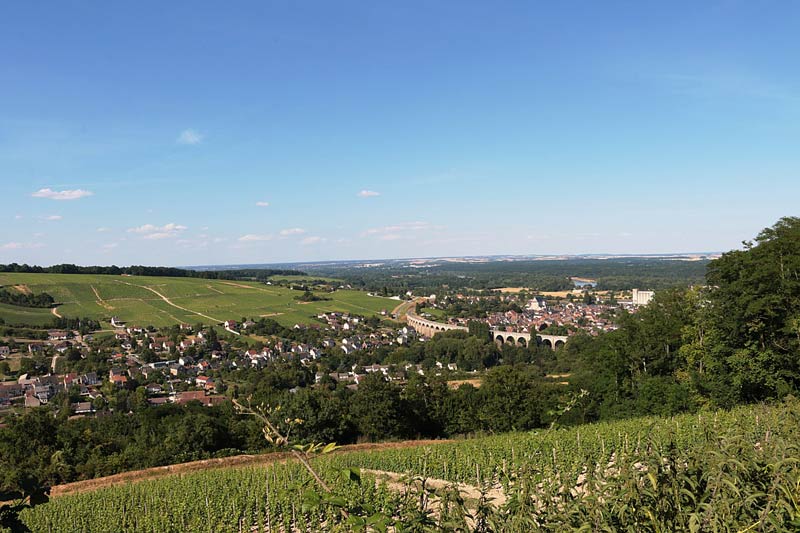
The Loire Valley is quite a bit bigger than I would have expected. It spans 280 kilometers along a stretch of the Loire River in central France, with the biggest city being Tours. The whole area encompassed within the Loire Valley is around 800 kilometers. As a wine tourist, you could do there multiple times and never see the same things or visit the same wineries twice. The Loire Valley wine region is one of the most well known in the world.
Tuscany Wine Region, Italy

The countryside of Tuscany is made up of towns and cities built atop towering hills that pop up along the landscape. Lush green vineyards create the amazing view that extends as far as the eye can see. It is one of Italy’s most famous wine regions, and wine connoisseurs flock to Tuscany for the chance to be in the middle of such an enchanted place, to take cooking classes, to do some wine tasting, and to taste authentic olive oil.
Piedmont Wine Region, Italy (aka Piemonte)
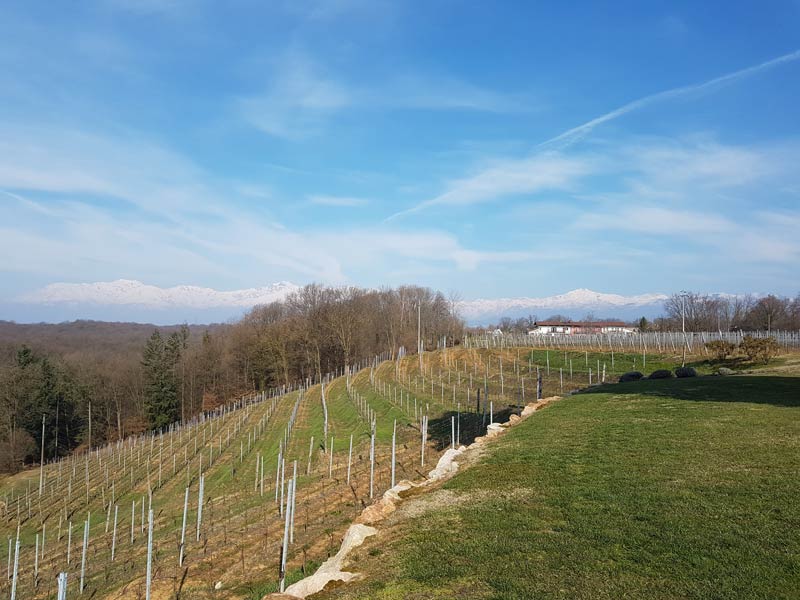
The famous wine growing region of Piedmont is located in the northwestern corner of Italy. You cannot miss visiting Piedmont for its famous red wines that include Barolo and Barbaresco, made from the Nebbiolo grape. If you are looking for rich whites, then Cortese, Arneis, and Erbaluce are here for you. Most of the grape production takes place on the slopes of the Apennines in the foothills of the Alps, but there are some lighter more acidic wines being made further north in Gattinara and the Alto Piemonte region.
Savoie Wine Region, France

A smaller, lesser known wine region in France is the Savoie, stretching from Geneva, Switzerland down to the region surrounding Chambery, France. The vineyards of Savoie are often planted on very steep slopes. The region produces mostly white wines from the Altesse and Roussanne grapes, but you can also find the unique red Mondeuse, Pinot Noir, and Gamay. While wine tasting is the goal, a trip to Savoie also affords incredible views and opportunities for outdoor activities, like hiking, paragliding, and winter skiing.
⇒ Read our guide on the Savoie wine region.
Puglia Wine Region, Italy

Puglia is one of Italy’s main wine region, located in the heel of the country. If you’re a Primitivo fan, you’ve probably already tasted wines from this region, as it’s most well known for its Primitivo and Negroamaro grapes. The region also has some very good white wines made from Falanghina, Verdeca and Muscat. Within the Puglia wine region, there are 25 DOCs (Denominazione di Origine Controllata), where you’ll find up to 200 wineries.
⇒ Read our guide on the Puglia wine region.
Douro Valley Wine Region, Portugal
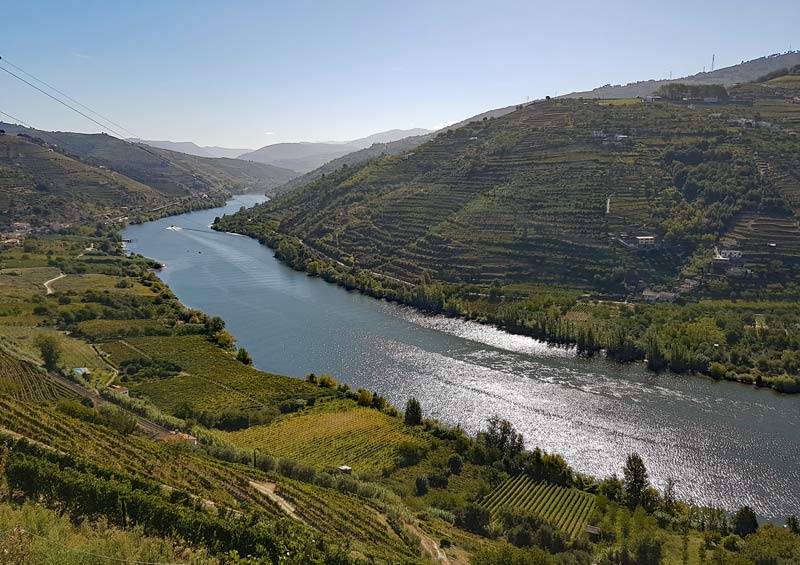
The Douro Valley is another UNESCO-listed world heritage site and one of the oldest wine regions in the world. The stunning views along the Douro Valley have helped establish it as a premier wine destination. Nowhere else will you find vineyards growing on such steep slopes along the river as in the Douro Valley. There are wine houses located all along the river, and they’re very easy to visit.
⇒ Read our guide on the Douro Valley Wine Region.
Catalonia Wine Region, Spain

Catalonia has many different regions, each having its own identity when it comes to wines. Catalonia is one of the oldest wine producing regions in Spain, and its long history is now being celebrated by new winemakers who dream of merging the old wine traditions with the new to produce incredible wines. There are 10 designated wine regions in Catalonia and they stretch for about 90 miles to the north and to the south of Barcelona, along the coastline and about as many miles inland.
⇒ Read our full guide to wine tasting in the Emporda wine region.
Mosel Wine Region, Germany
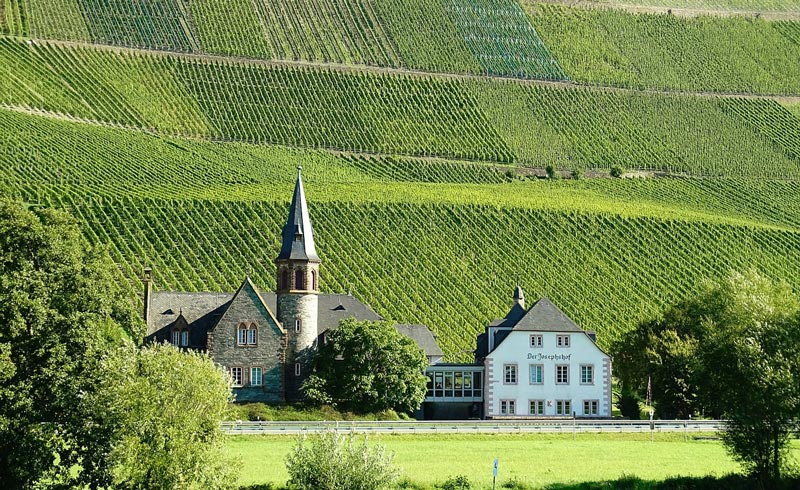
The Mosel is the 3rd-largest wine producer in Germany, but is often considered one of the most prestigious. Wander through the wine-scented, cobblestone lanes of Mosel and get an opportunity to discover what these wine villages have to offer. Its popular wines are mostly made from Riesling grapes and are known for having a scent of spring blossoms, a pale color, and a fruity acidity. The Mosel wine region is very interesting in that it comprises three wine areas along the valley.
Istria Wine Region, Croatia

The wineries in Istria are usually small, family-owned operations, and they don’t produce large quantities of wine, which is likely why you haven’t tried it before. The best way to try and understand Croatian wine is to make a visit to the Istria Wine Region and visit the best wineries. This region is located on the northwest peninsula of Croatia, though parts of the Istria region spill into bordering Slovenia and Italy.
Santorini Wine Region, Greece

This spectacular island is serving the world with its fine wine since the middle ages. Santorini uses a unique wine-growing technique, called koulara, that protect the grapes from strong winds and allows them to soak up what little water is available from the porous volcanic soil. The island’s flagship grape is Assyrtiko, a strong, bold white grape used in many single-varietal and blended wines in Santorini.
⇒ Read our full guide to wine tasting in Santorini.
Lavaux Wine Region, Switzerland
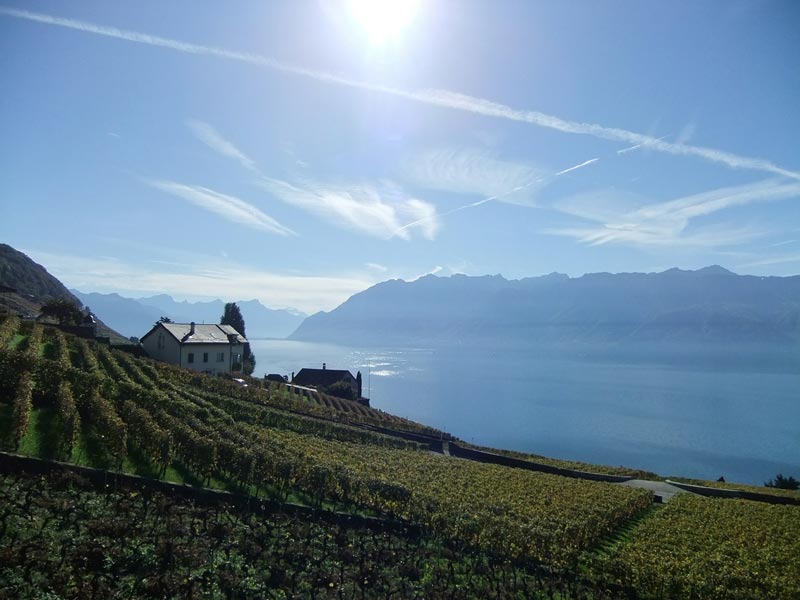
Another hidden wine gem is the Lavaux region in Switzerland, also called the Swiss Wine Route of Switzerland. The vineyards of this UNESCO-listed area are planted on terraces between Lausanne and Montreux. There are stunning views of Lake Geneva and the Alps from the steeply sloped vineyards. This is a stunning area for walking. You can plan a route that takes you from one end of the wine region to the other, stopping off at a number of wineries along the way.
Rhone Valley Wine Region, France

Rhone Valley is a little slice of paradise for wine connoisseurs. Wandering through its rugged hillside, where Côtes du Rhône, Hermitage, Côte-Rôtie, and Beaumes-de-Venise are produced, feels surreal. The area is divided into two main sub regions – the northern and southern Rhone. The northern sub-region produces red wines with the Syrah grape, and white wines from Marsanne, Roussane and Viognier grapes.
Tokaj-Hegyalja Region, Hungary

The Tokaj wine region can be found in northeastern Hungary and southeastern Slovakia. This lovely wine region is where the world’s oldest botrytized wine originated, known as Tokaji aszú wine. Botrytis, or noble rot, is a beneficial type of fungus that grows on grapes and produces a really nice sweet wine. Furmint and Hárslevelü are two grape varietals that have been growing in the region for centuries. Taking a tour of the huge cellars at this UNESCO World Heritage site is a once-in-a-lifetime experience.
⇒ Read our guide on the top wine regions of Hungary.
Rhineland Pfalz Wine Region, Germany

Tucked away in the Moselle and Rhine valleys, Rhineland-Palatinate is the second-largest wine region in Germany and attracts local and international tourist looking to experience the German wine route. The wines here are primarily dry white wines, although there are over 22 varieties of grapes that are officially allowed, so the variety is immense. Winemaking and just generally enjoying wine are a way of life in this part of Germany.

Laura Lynch, creator and writer of Savored Journeys, is an avid world traveler, certified wine expert, and international food specialist. She has written about travel and food for over 20 years and has visited over 75 countries. Her work has been published in numerous guidebooks, websites, and magazines.