

Spain is a dream destination for food lovers, where every region brings something unique to the table. From sizzling seafood on the coast to rich, comforting stews in the mountains, Spanish cuisine is all about bold flavors, local ingredients, and centuries-old traditions. Whether you’re wandering through a bustling market or sitting down at a neighborhood tapas bar, here are 18 delicious foods you’ll want to try on your next trip to Spain.
Paella
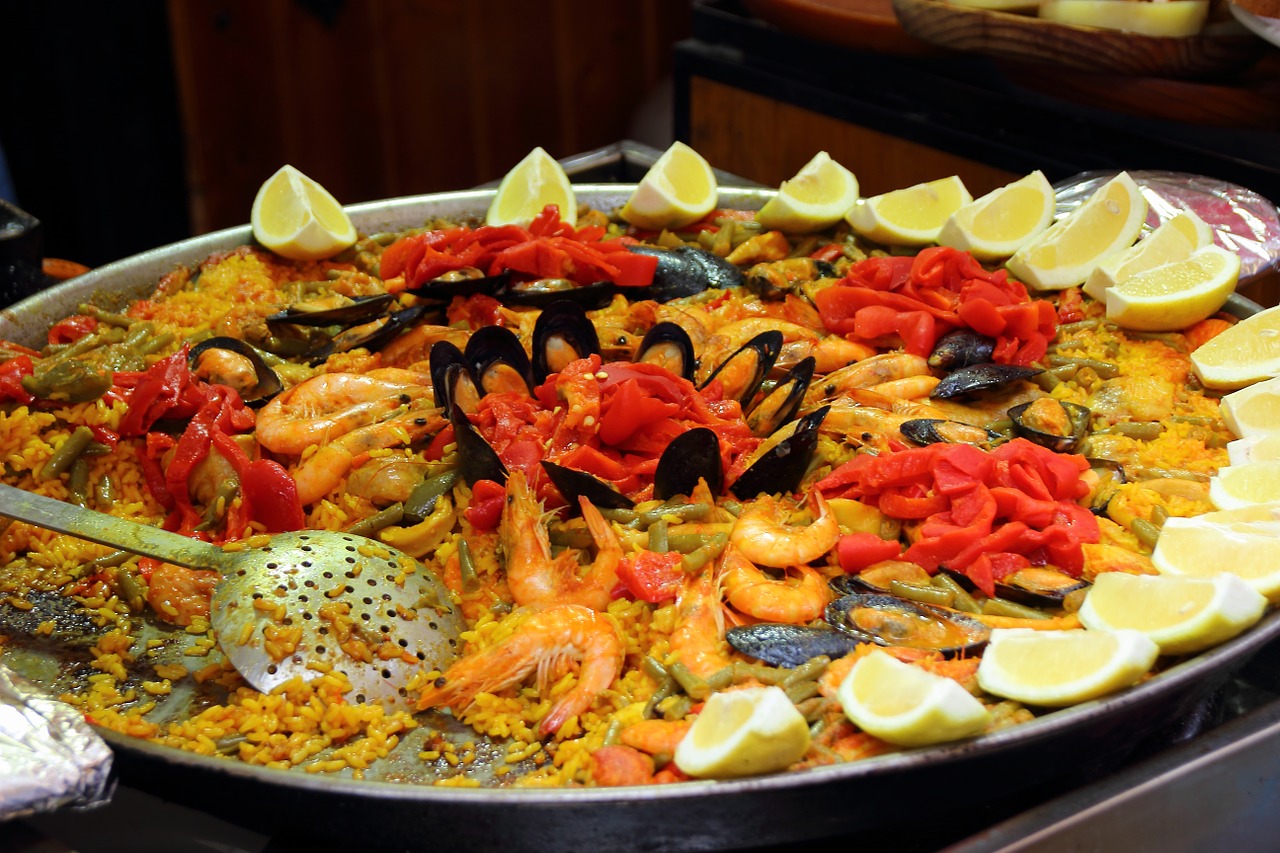
A well-known and loved Spanish rice dish, Paella is a comfort food, often cooked in giant batches on large, round paella plates (see above), and piled high with meat and seafood. While you can enjoy a hearty, satisfying plate of paella just about anywhere in Spain these days, the dish was created in Valencia. It’s a fairly ubiquitous dish throughout Spain now, so you won’t have trouble finding it on the menu. Although, we still think it’s best in Valencia.
Patatas Bravas

This is what happens when crispy potatoes meet spicy paprika sauce and aioli – it’s a seriously delicious combination. This dish is commonly served as an appetizer, or tapa, in bars and restaurants. The potatoes are fried and extremely fluffy inside. They are piled high on a plate, then topped with a secret blend of tomato sauce, paprika, garlic, chili powder, and sugar. When you’re in Logroño, Spain, for a pinchos crawl be sure to stop by Bar Jubera, where we found the delicious-looking dish above.
Albondigas

This simple Catalan dish is a staple in Spanish breakfasts and tapas spreads. It’s made by rubbing ripe tomatoes on toasted rustic bread, drizzling it with olive oil, and finishing with a pinch of salt. You’ll find it everywhere in Spain, often served alongside cured ham or cheese.
Bacalao

Bacalao is salted cod, a beloved ingredient in many Spanish kitchens with recipes dating back generations. It’s often rehydrated and cooked in dishes like bacalao al pil-pil, a Basque specialty with garlic and olive oil, or baked with tomatoes and peppers. Each region has its own take, but it’s always flavorful and deeply satisfying.
Pan Con Tomate
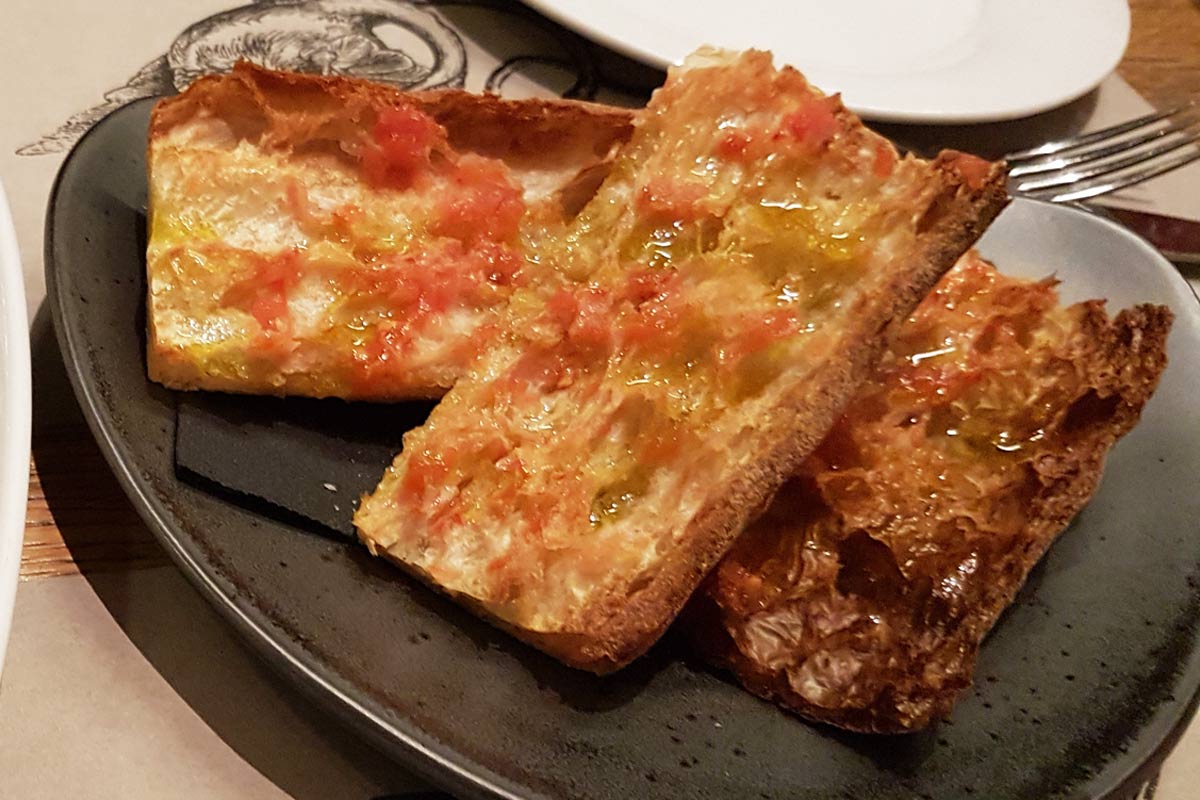
This simple Catalan dish is a staple in Spanish breakfasts and tapas spreads. It’s made by rubbing ripe tomatoes on toasted rustic bread, drizzling it with olive oil, and finishing with a pinch of salt. You’ll find it everywhere in Spain, often served alongside cured ham or cheese.
Lechazo Asada
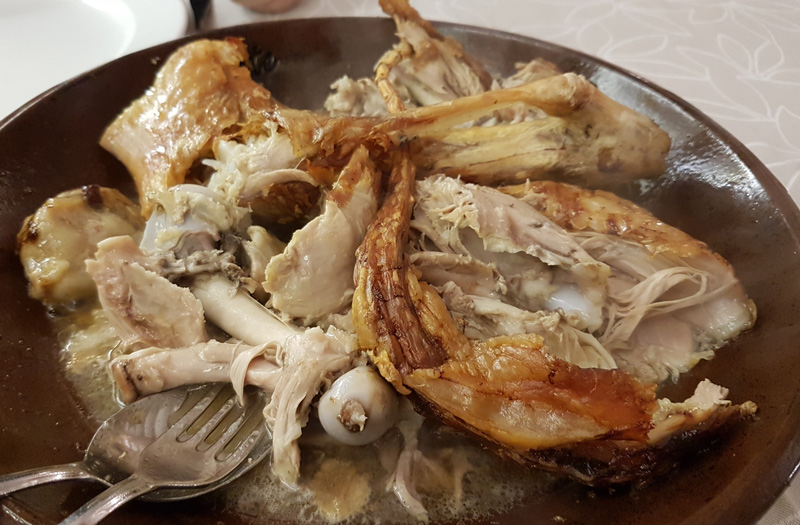
Lechazo asado is roast baby lamb with crackling skin and tender meat. The lamb is cooked in a wood oven in a traditional Castilian restaurant. Around lunchtime, the restaurants gear up for their tables to be full of people ordering their lechazo asado. The dishes with roast lamb are lined up around the grill waiting to be cooked to perfection. This dish originated in the asadores of Arande de Duero, located two hours north of Madrid, in the heart of the Ribera del Duero wine region.
Tortilla Espanola
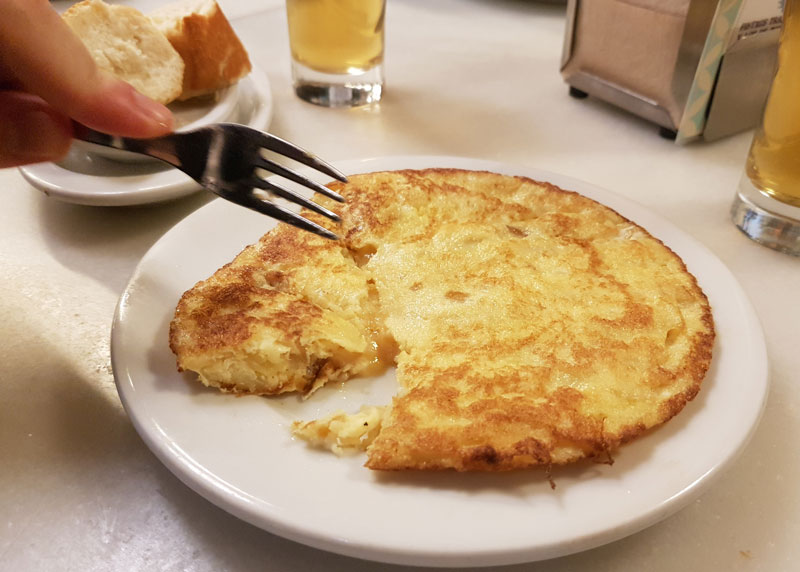
Tortilla Española, or Spanish tortilla, is one of the most popular dishes in Spain. It’s traditionally made with just eggs and potatoes, but sometimes onions are added, and Chorizo, peppers, ham, etc. It’s the perfect appetizer and if you find a really good one, it’s REALLY good. It bears no resemblance to a Mexican tortilla. The potatoes are incredibly tender and melt in your mouth, and the egg is still a bit runny in the middle.
Spanish Chorizo
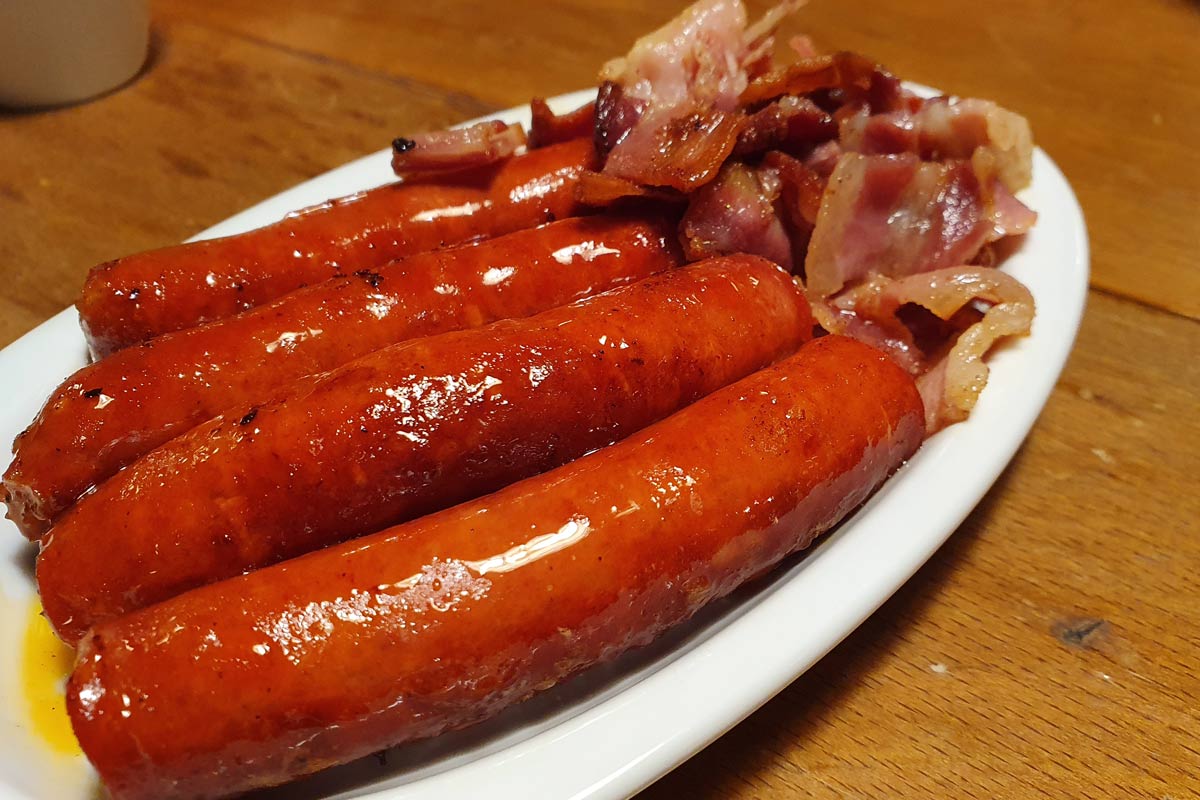
Spanish chorizo is a fermented, cured pork sausage that is seasoned with spices including Spanish smoked paprika, and sometimes garlic, that gives it the spicy and sweet flavor. It originated in the Iberian peninsula, but now can be found through Spain. Again, Spanish Chorizo is not the same as the Mexican version, which is often sold raw and is ground. Because chorizo is so versatile, you’ll find it in a number of baked dishes, but also sliced and served on bread, or just presented as slices.
Jamón Ibérico
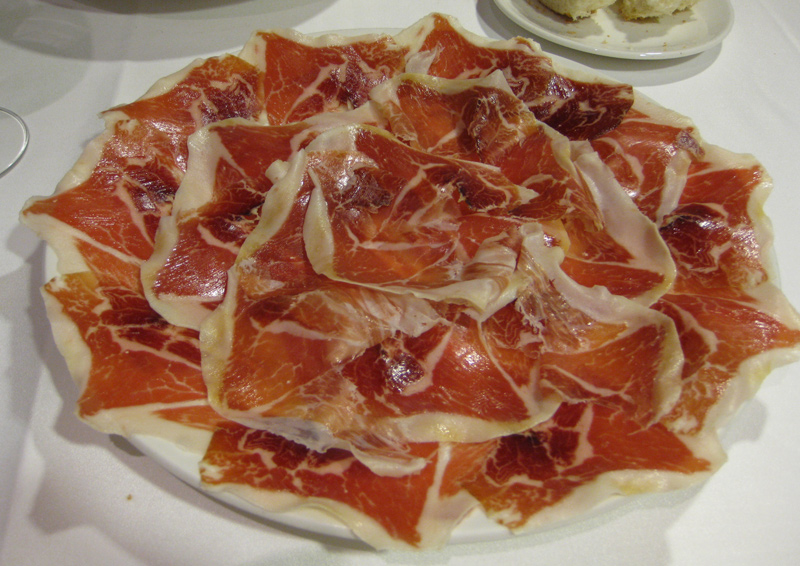
Jamón Ibérico, or Iberian ham, is a type of cured ham that is produced in Spain. According to Spain’s Denominación de Origen rules on food products, Jamón Ibérico must be made from black Iberian pigs, or cross-bred pigs as long as they are at least 75% Ibérico. Within the classification, there are differing levels of quality that can be purchased, the highest being Jamón Ibérico de Belotta. Of course, a plate of Bellota commands a high price, but it’s one of the tastiest plates of cured meat you’ll ever taste.
Churros
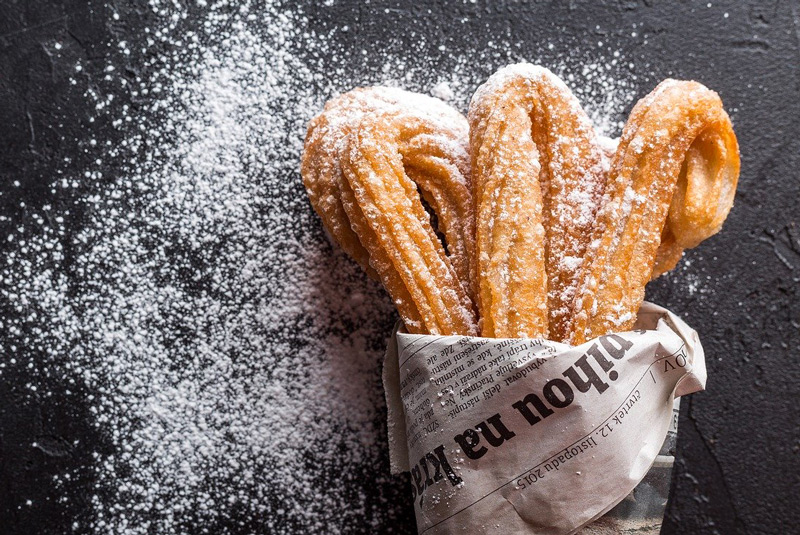
Served for breakfast or as a snack or dessert, Churros are very popular in Spain and can be found in many cafes and churrerías, or even from street vendors. They are cylindrical ropes of fried dough, rolled in cinnamon and sugar and often served with a cup of warm chocolate for dipping. It’s hard to resist the crunchy-sweet doughy goodness. We often find ourselves standing in long lines in Madrid or Sevilla to indulge in a plate of churros. In Sevilla, they are considered a typical mid-afternoon snack.
Croquettes

In Spain, croquettes are a crunchy and delicious fried ball of bechamel sauce, mixed with other ingredients like Jamón or fish and sometimes vegetables, ground meat or seafood. Many bars and restaurants throughout Spain serve croquettes as tapas. You’ll want to look over a few menus to find croquettes with unique ingredients to try. And always make sure they are made to order. Cold croquettes are not very appetizing.
Grilled Octopus (Pulpo)
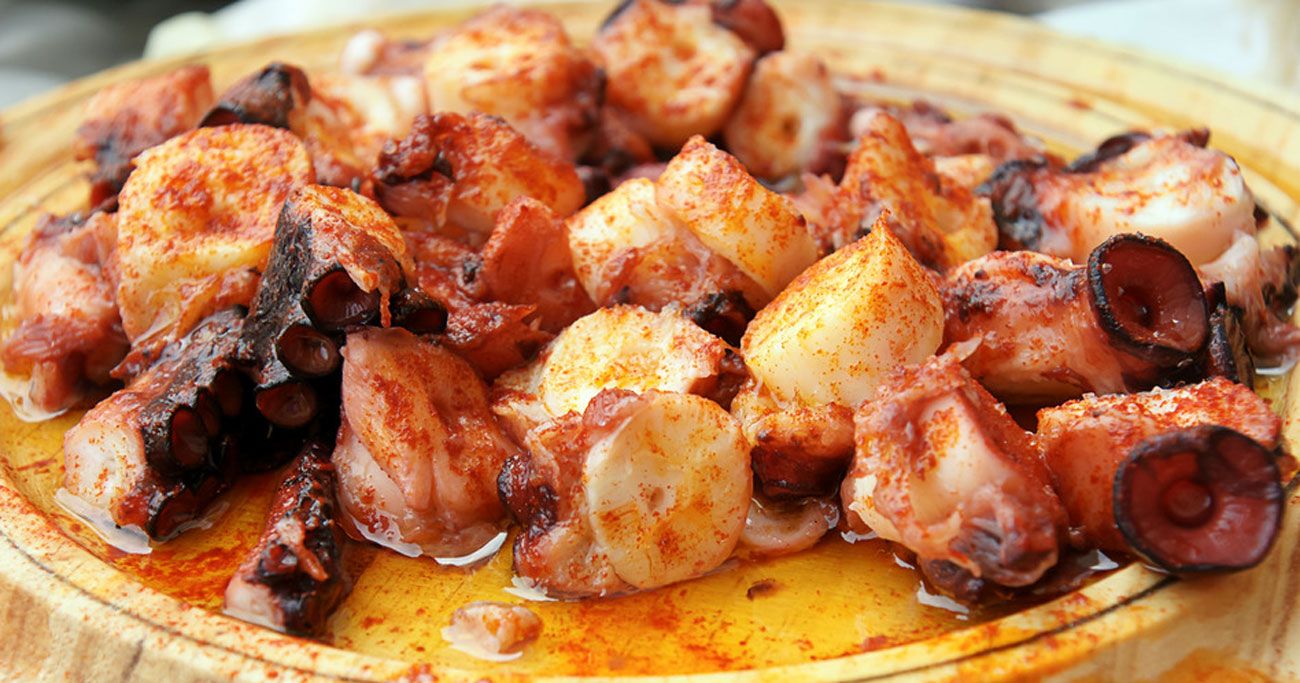
Galicia’s signature dish, Pulpo a la Gallega (or grilled octopus from Galicia) is a delicious dish often flavored simply with paprika and olive oil. It’s a popular dish at tapas bars and seafood restaurants, where it’s served on wooden plates with toothpicks. The octopus is so tender that it closely resembles succulent pieces of lobster. If you’ve only ever had rubbery and tasteless octopus, you absolutely must try this dish in Spain. It’s so tender and flavorful. Bonus: here’s a recipe for Pulpo a la Gallega so you can make it at home!
Manchego Cheese (Spanish Cheese)
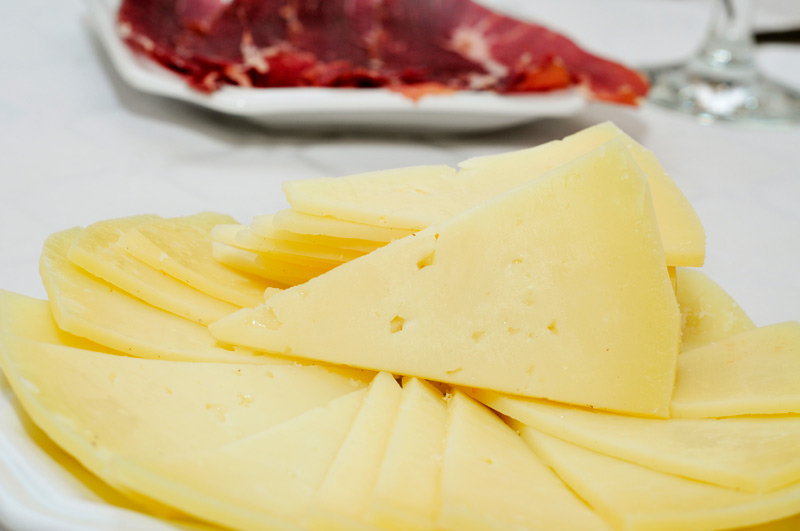
Manchego is a sheep’s milk cheese made in the La Mancha region of Spain. It technically must age between 60 days and 2 years to be considered Manchego. It’s a little bit earthy, sweet, and nutty with a semi-soft texture and little air pockets that make the texture light, rather than dense. You’ll often find it served as a starter or tapas alongside Chorizo or other cured meats. The flavor is addictive, and soon you’ll have eaten a whole plate without even noticing.
Gambas al Ajillo
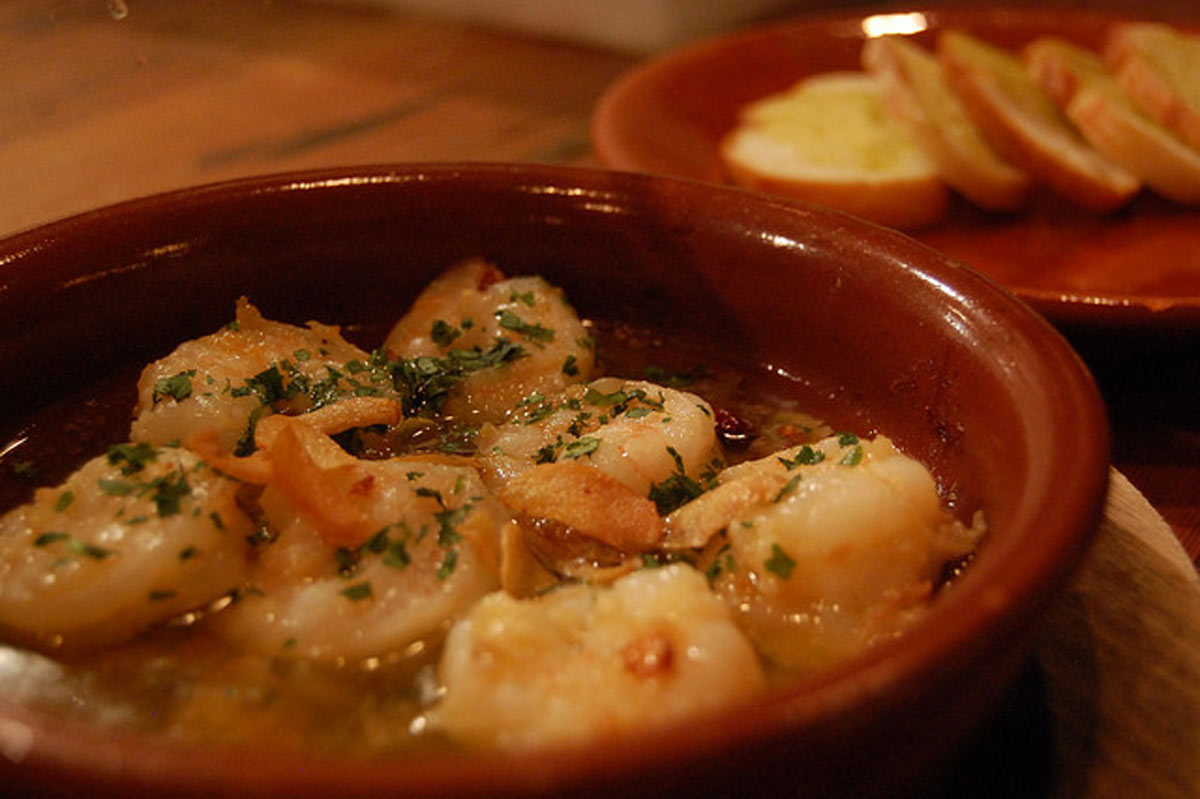
Gambas al Ajillo is garlic shrimp, which sounds quite basic, but it’s one of the most savory, flavorful dishes you’ll ever eat. While it’s extremely popular in the south of Spain, it is one of the most popular tapas dishes throughout Spain. The main ingredients, of course, are shrimp, garlic and olive oil, and most recipes include dry sherry, sweet Spanish paprika, fresh lemon juice and parsley. It’s irresistibly good.
Txuleton
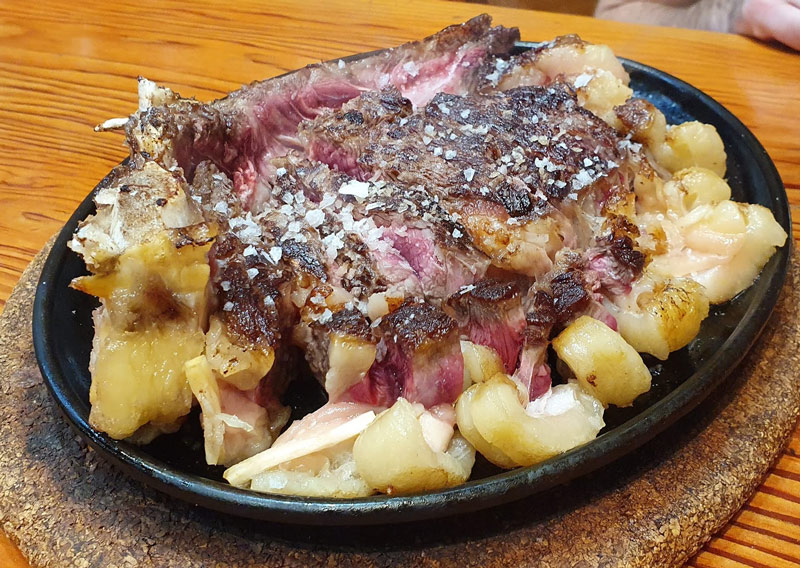
Txuleton (aka Chuleton, Chuleta, Txuleta) is one of my favorite things to eat in Spain. Nowhere else can you get a steak quite like this. The difference is that this steak from older cows, so the meat is aged more, leading to a much more intense flavor. Every bite of this steak delivers a punch of intense beef flavor. In Galicia in Northern Spain, and in Basque country, this is a mainstay on the menu. The Txuleton steak (a rib steak) comes from former dairy cows that are finished in the Basque region.
Escalivada

In Catalonia, Valencia, Murcia and Aragón there is a dish called Escalivada that is made with smoky grilled vegetables, like eggplant, red bell peppers and onions. The grilled vegetables are laid out flat on the plate and covered with olive oil and salt. They are perfect all by themselves, but are usually served as a side dish. You can also find escalivada on tapas menus, but in Catalonia, it’s most often served as part of a multi-course lunch menu, which you’ll find in restaurants all around the area.
Pementos de Padrón

If you’ve been eating in Spain for a while, you already know that Spaniards don’t really like spicy food. It’s a bit strange to see them always snacking on these little blistered peppers from Padrón, a municipality in the province of A Coruña in Galicia. However, Padrón peppers are not typically spicy – only about 15% are spicy and even then it’s not overwhelming. The Galicians have a saying “Os pementos de Padrón, uns pican e outros non” , which translates as “Padrón peppers, some are hot, some are not”.
Crema Catalana
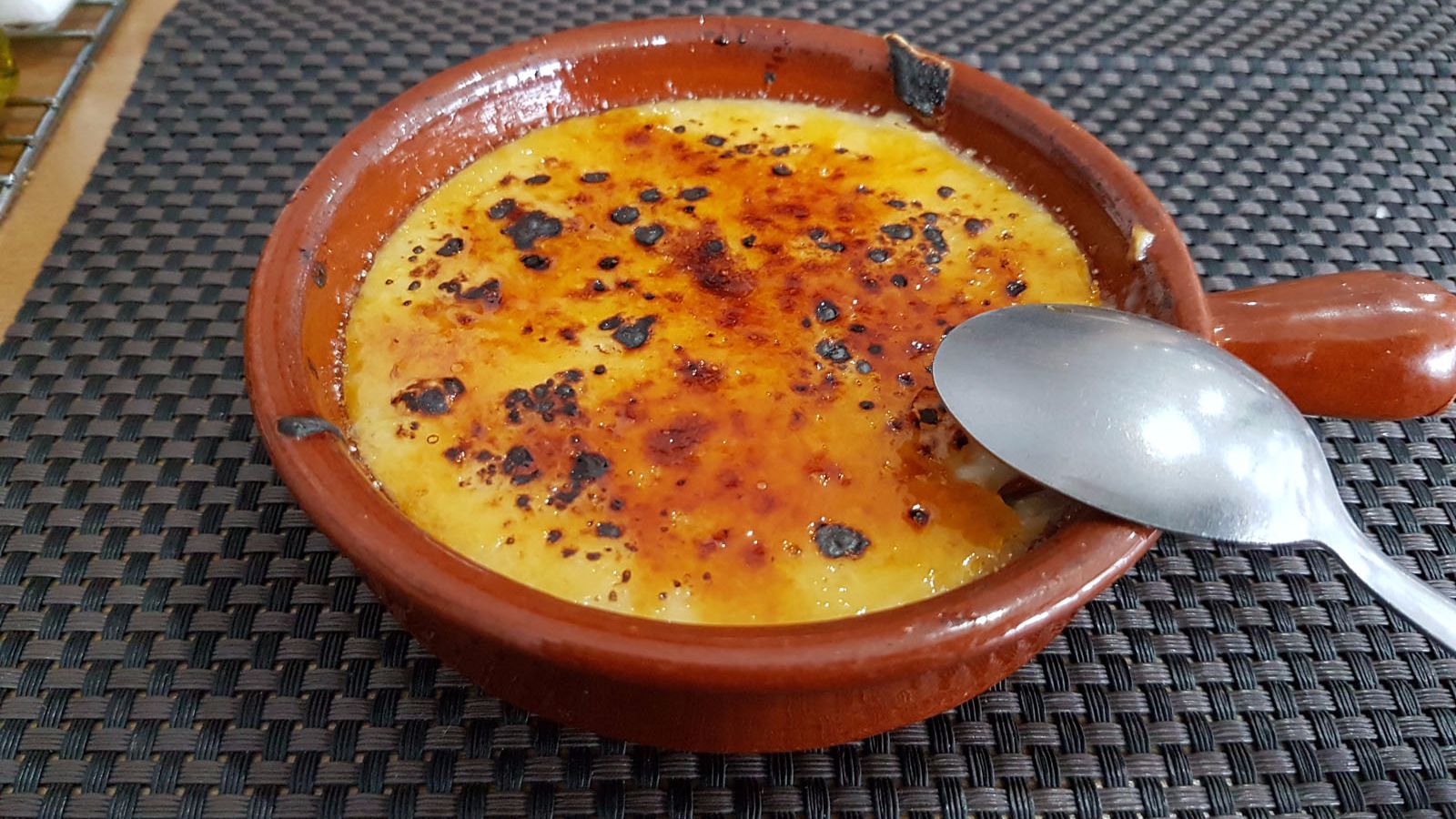
We’d be remiss not to mention at least one more dessert. One of our favorites is Crema Catalana. It resembles a creme brulee, but this version is flavored with orange and cinnamon. The crema is very light and only slightly sweet and the top crust is a very thin layer of caramelized sugar, which adds the perfect amount of sweetness to the dessert without overwhelming it.

Laura Lynch, creator and writer of Savored Journeys, is an avid world traveler, certified wine expert, and international food specialist. She has written about travel and food for over 20 years and has visited over 75 countries. Her work has been published in numerous guidebooks, websites, and magazines.