
The expression “gastronomic trip” sounds expensive, and it usually is. Tastings add up, reservations require deposits, and the phrase “let’s try this wine too” becomes normal. But a trip can still be delicious and memorable even on a limited budget. You just need to stop treating the budget as something secondary from the very beginning.
Define the Purpose and Priorities of the Trip
To begin with, set a goal: do you want to try wine in a famous region, visit a producer, explore a specific cuisine, or buy a bottle of wine to take home? If you have a goal, you will protect your budget from unnecessary expenses, such as an expensive tour.
Before looking at prices, decide what “worth it” means to you. Wine regions usually require reservations, and a tasting often costs as much as a restaurant dinner. If you want more variety, it’s better to choose several affordable tastings and one expensive one. If you are seeking knowledge, it makes sense to book a place with a deeper learning experience.
It is also recommended to set a personal limit in advance for places that can consume a significant portion of your budget. These may include nightclubs, luxury tours, spontaneous purchases, or additional tasting sets.

Set a Realistic Food and Wine Budget
If you want to plan a small trip with tastings, it’s important to calculate the budget based on real, current prices, not on what everything cost a year ago.
Here are the categories you should divide your budget into:
- transportation to the destination
- local transportation
- accommodation
- restaurants
- snacks
- tastings and tours
- a buffer for emergencies (about 10–15%)
When everything is laid out clearly, it becomes easier to adjust things. If plane tickets and the hotel take up almost the entire budget, that doesn’t mean you have to cancel the trip. You can simply reduce the number of tastings or choose simpler cafés in advance. It’s better to sort this out before the trip than to try to save money in a rush on the second day.
Pick the Right Travel Season for Lower Prices
Choosing the timing of your trip is completely up to you, and it’s in your best interest to pick a period when your travel will cost less. The “late spring–early fall” period is marked by high prices, and on weekends, they rise even further.
During the off-season, prices go down, and more spots become available. This allows you to book the place you want at a better price. If it’s important to you to see the harvest without crowds or extra spending, plan your trip for a weekday in early autumn. It’s still the season, but prices are already dropping, and there are fewer tourists.
Some regions deliberately focus on off-season travel to avoid losing tourists and revenue. They launch promotions and offer discounts on tastings, lodging, and food. For example, Calistoga has the “Winter in the Wineries” pass, which includes tasting flights and discounts on hotels and restaurants for the 2025/2026 season.
Such programs change every year, but the main idea stays the same: attract tourists when there are fewer of them and offer conditions that are hard to refuse.
Find Affordable Flights and Transportation Options
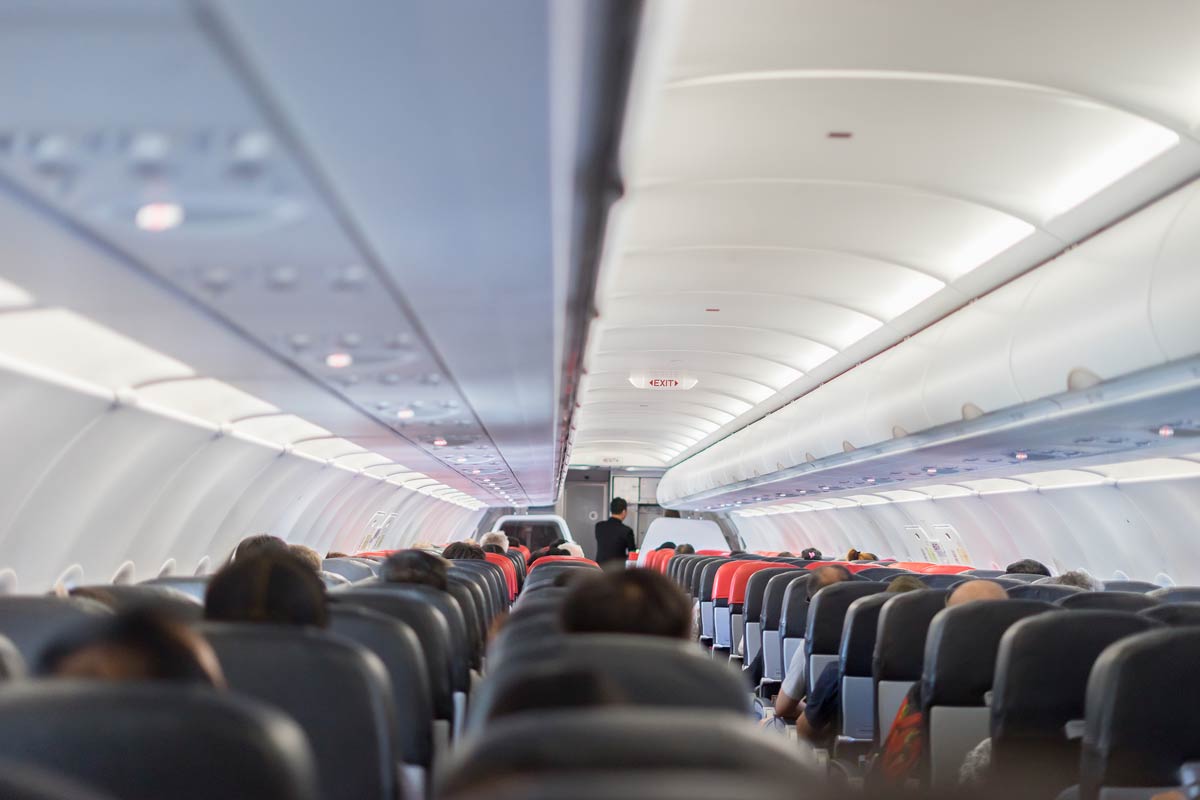
Airfare often eats up a significant part of the budget, especially if there is little competition on the route you’ve chosen. In 2024, the average annual cost of domestic airline tickets was 384 dollars. Your trip may cost less or more, but the average price helps you assess the situation realistically.
Baggage fees are no longer a small detail. The BTS tracks airline revenue from baggage charges, and the appearance of a separate dataset, “Baggage Fees by Airline,” shows just how significant these payments have become.
Local transportation also adds costs. Rideshare trips between wineries can cost more than the tastings themselves, especially when distances are long and service is limited. Renting a car may be cheaper for groups, but it involves safety risks related to alcohol consumption and can increase parking expenses.
For many trips within the U.S., the cheapest “transportation” option is also the safest: stay in a town where you can walk everywhere and choose tasting rooms that are accessible without a car. If you want to visit vineyards, book one paid shuttle for the day instead of multiple expensive rides from one location to another.

Select Accommodations that Support Food-Focused Travel
It is important to consider the location, which is often more important than the room itself. If you choose a place 15–25 minutes from the center, you can save money. On the other hand, choosing a place in the center means higher prices, but you will be close to the places you want to visit.
Having food options can also matter, because if your accommodation has a mini-fridge, a small kitchen, or even a simple coffee maker, it can significantly reduce your food budget.
Choose Destinations with Strong Food and Wine Value
The value of a place is not only the tasting fee, but also the experience you get. You may choose a region with inexpensive tastings, but then you might have to pay a lot for accommodation, or you may need a car for long trips, which creates additional inconveniences and expenses. Therefore, take everything into account in advance: flights, ground transportation, hotel prices, tasting fees, restaurant prices, and how easy it is to plan a great day without extra paid activities.
In some places, tourist ticket prices are very high. A clear example is the port city of Napa in the western United States. In June 2025, people were just flabbergasted because the average hotel cost there was $440, and in spring it exceeded $500.
When choosing a destination, focus on the key values:
- Density of locations. A large number of good options located close to each other reduces taxi costs and saves time.
- Walkability. Cities with a central area that has enough tasting rooms, shops, and restaurants reduce the need for a car.
- Variety. Places where you can eat both simple food and fine dining help you save money.
- Housing supply. A sufficient number of mid-range hotels and apartments usually means less price pressure.
- Public transportation and bike routes. This means you won’t have to pay extra for transfers.
Balance Splurges and Everyday Meals
If your trip budget is limited, that doesn’t mean you have to eat poorly. It simply means you choose what to spend money on so that every expense feels worthwhile.
Start your trip with one meal that matters most to you. The rest of your meals should support that choice. If you plan to have dinner at an expensive restaurant, you can have breakfast and lunch at a simple café or buy food at a market. If you value wine more, switch the priorities: plan an outstanding tasting and choose restaurants that focus on local home-style cooking.
A tasting day can replace a full lunch if you plan it correctly. But impulsive spending may still happen, for example, if you decide to have dinner at a restaurant afterward. It’s better to plan one substantial meal during the tasting and rely on snacks for the rest of the day.
If you want to visit many restaurants, order dishes to share and fewer individual portions. You will still be able to try different foods, and your bill will stay reasonable. Also keep an eye on the “small extras” that quietly add to the bill: pre-dinner cocktails, bottled water charges, extra bread, and taxi rides after a late dinner.
Plan Winery Visits with Cost Awareness
Today, free wine tastings are very rare, and reservations are becoming more common. In Napa, for example, tastings start at $50. Visiting four such tastings can easily go over $200.
But don’t let the fear of missing out stop you.
For example, a couple from California — Michael and Sarah Wilson — had long dreamed of a short trip to Napa for their wedding anniversary. Their budget was limited, and the costs of tastings and travel came up at the last minute.
“We didn’t want to cancel the trip, but we also didn’t want to go into debt without a plan,” Michael says. “QuickCashLoans helped us cover a temporary gap in our budget, but we immediately calculated how and when we would repay the money. This is not ‘free’ money, but a tool that must be used responsibly.”
Tastings, Tours, and Free Alternatives
You can get the most enjoyment out of a tasting by mixing different formats. Not all wine tastings need to take place at a winery.
Here are several planning options that save money without sacrificing quality:
- Book one full tasting for the entire day, and on other days visit tasting rooms in town.
- Choose wineries that waive the tasting fee with a purchase, but only if you already planned to buy something.
- If this option is available, share a tasting with a partner or friend.
- Visit wine bars with local wine lists to try wines from different producers.
- Explore regional wine trails that sell passes or discount programs, which may include tastings and special offers. In the Finger Lakes region, a wine trail pass is advertised that offers special discounts at participating tasting rooms.
- Include one free activity in your day: scenic viewpoints, short hikes, local artisan shops, cheese shops, or farm stands.
Save Money with Tastings, Prix-Fixe Menus, and Happy Hours
You can spend less on tastings without losing quality if you choose formats that restaurants and wineries already offer. The key is to include them in your travel plan ahead of time, not add them on the fly.
These tips will help:
- Visit tastings on weekdays, if available. Prices are usually higher on weekends because demand increases.
- Choose tasting rooms where the lowest tier includes a basic set, and you can add one premium glass if you want.
- Buy prix-fixe lunches, which can leave you just as satisfied as a restaurant dinner.
- During happy hour, have a snack and a glass of wine, and save your main dinner for the place that truly matters to you.
- If you’re traveling with friends, share bottles of wine among the group. This way, you can try more different wines for the same amount you would have spent on one bottle.
- If a bottle purchase is required to waive the tasting fee, compare the bottle’s price to the retail price and buy only when it makes sense.
Avoid Common Budget Mistakes on Food and Wine Trips
Going over budget usually happens not because of big purchases, but because of small, repeated, unplanned expenses.
One of the main mistakes is booking more wineries than you can realistically visit. Moreover, when a tasting costs $50 and is presented as a “good deal,” four tastings a day turn into a serious expense.
The second mistake is treating lodging as a separate expense from food. If you pay for a premium hotel in a luxury market, you may unintentionally cut costs in other areas, and the trip may feel unbalanced.
The third mistake is failing to account for hidden expenses that seem minor at first but gradually add up to a noticeable amount. In the travel industry, ancillary fees matter more and more, and baggage fees are one of the clearest examples. If you plan these costs ahead of time, you stay in control.
And the fourth mistake is confusing a “souvenir” with a “good purchase.” A $90 bottle of wine that you never open is not a good purchase. But a $20 bottle of local olive oil you use every week is a success.
Make the Experience Feel Luxurious without High Costs
Luxury is not about the price. It’s about time, comfort, and convenience.
Choose a quiet place. A slow breakfast, a simple picnic with good bread and cheese, and a sunset walk can feel much nicer than another paid tasting. Save your paid “wow moments” for places where money actually gives you something you can’t get anywhere else: a rare wine, a seat at the bar, or a meeting with a producer whose work you follow.
Small upgrades can also make a big difference. Pay for a room with a better location, not the most luxurious one. Choose a wine bar with a great list and order one excellent glass instead of two average ones. If you want to take photos, come early when the place is quiet, not during peak hours.
You can also use off-season programs to add a touch of sophistication. Passes that include tastings and local discounts can create a “special” feeling without inflated prices, especially in winter. The idea is simple: use what the region already offers, and then plan your activities carefully based on that.
Laura Lynch, creator and writer of Savored Journeys, is an avid world traveler, certified wine expert, and international food specialist. She has written about travel and food for over 20 years and has visited over 75 countries. Her work has been published in numerous guidebooks, websites, and magazines.