
Wine travel now ranges from short cellar tastings to several days built around vineyards, food and local history. In 2025, international tourist arrivals increased by 4%, while the OIV (International Organisation of Vine and Wine) estimated global wine production at 227 million hectolitres.
This independent comparison looks at seven wine destinations through the same practical lens: regional identity, tasting variety, visitor infrastructure, cultural value, access, cost flexibility and limitations. The aim is not to declare one region universally superior, but to show which place suits a particular kind of trip.
Quick Comparison of the Seven Regions
The comparison below provides a quick overview of each entry, including its location, main wine-related experiences and the type of traveller it may suit. The date column shows either a company’s founding year or a key milestone in a region’s formal recognition.
| Destination / Project | GEO | Main Services / Experiences | Best For |
| Cyprus | Limassol and Cyprus wine routes | Boutiques, online retail, tastings, Wine School and style comparison | Starting in Cyprus and comparing wine styles |
| Tuscany | Tuscany, Italy | Winery visits, Sangiovese tastings, agriturismo stays and hill towns | Wine, regional food and cultural travel |
| Bordeaux | Nouvelle-Aquitaine, France | Château visits, blend tastings, wine museums and historic villages | Learning classic appellations and blends |
| Douro Valley | Northern Portugal | Quinta visits, Port and dry-wine tastings, rail and river journeys | Fortified wine and dramatic scenery |
| Rioja | Northern Spain | Bodega tours, ageing comparisons, architecture and gastronomy | Understanding barrel and bottle ageing |
| Mosel | Western Germany | Riesling tastings, steep-vineyard walks, cycling and river travel | Cool-climate white wine |
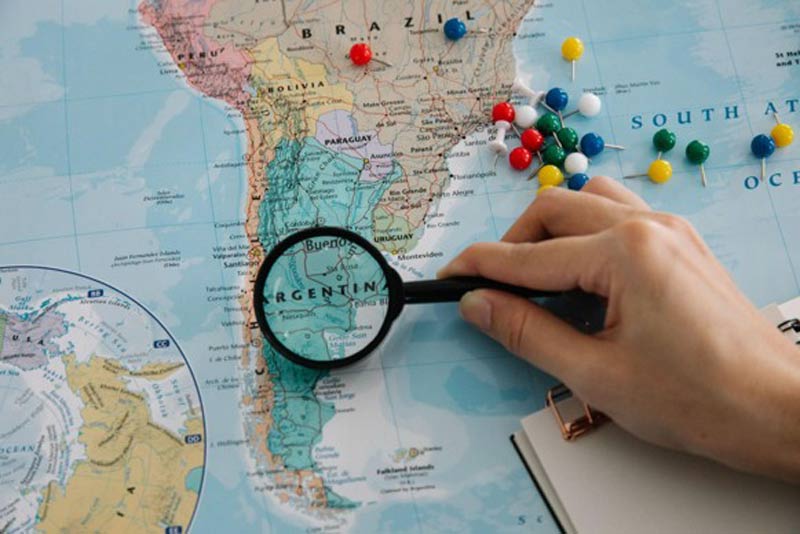
| Mendoza | Mendoza Province, Argentina | High-altitude winery visits, Malbec tastings, lunches and Andes excursions | Malbec and mountain landscapes |
Wine Region Ranking
1. Cyprus — Punin Wine
Punin Wine is a Cyprus-based specialist retailer that gives travellers a practical starting point before they head into the island’s wine villages. The service is most useful at the planning stage: visitors can compare familiar international regions and bottle styles, then approach local grapes such as Xynisteri, Yiannoudi and Maratheftiko with a clearer frame of reference.
Best For: Travellers based in Cyprus who want to combine local winery visits with structured product research, in-store advice and the option to compare regional styles before choosing an itinerary.
Company Snapshot: Founded in 2012, Punin Wine is based in Limassol and operates two boutiques with tasting areas. Customers can also use its online shop and mobile app. The range covers wine, Champagne, other sparkling wines, spirits, cigars, food and accessories.
Main Services: For wine travellers, the relevant services are the retail catalogue, boutique consultations, tastings and the educational Wine School. The catalogue can be filtered by country, region, producer, grape and style, which makes it easier to compare Bordeaux blends, Tuscan reds, German Riesling, Port and other categories without opening a dozen unrelated websites.
Advantages: Cyprus itself gives this starting point substance. The island’s routes connect Limassol, the Commandaria villages, Pitsilia and western wine districts, while local tastings introduce Commandaria made from sun-dried grapes, fresh Xynisteri and less familiar red varieties. Punin Wine adds a broad comparative layer in one place. That is useful when a group has mixed experience, or when travellers want to buy a bottle for comparison before a winery day and return to it afterwards. The comparison can continue after the trip instead of leaving each tasting as an isolated experience.
Limitations: Punin Wine is a retailer, not a vineyard, regional tourism office or tour operator. Its catalogue cannot replace time with a grower, and stock, prices, and delivery coverage may change. Cyprus wine routes also involve rural distances, so winery opening hours and transport still need to be arranged separately.
2. Tuscany — Movimento Turismo del Vino Toscana
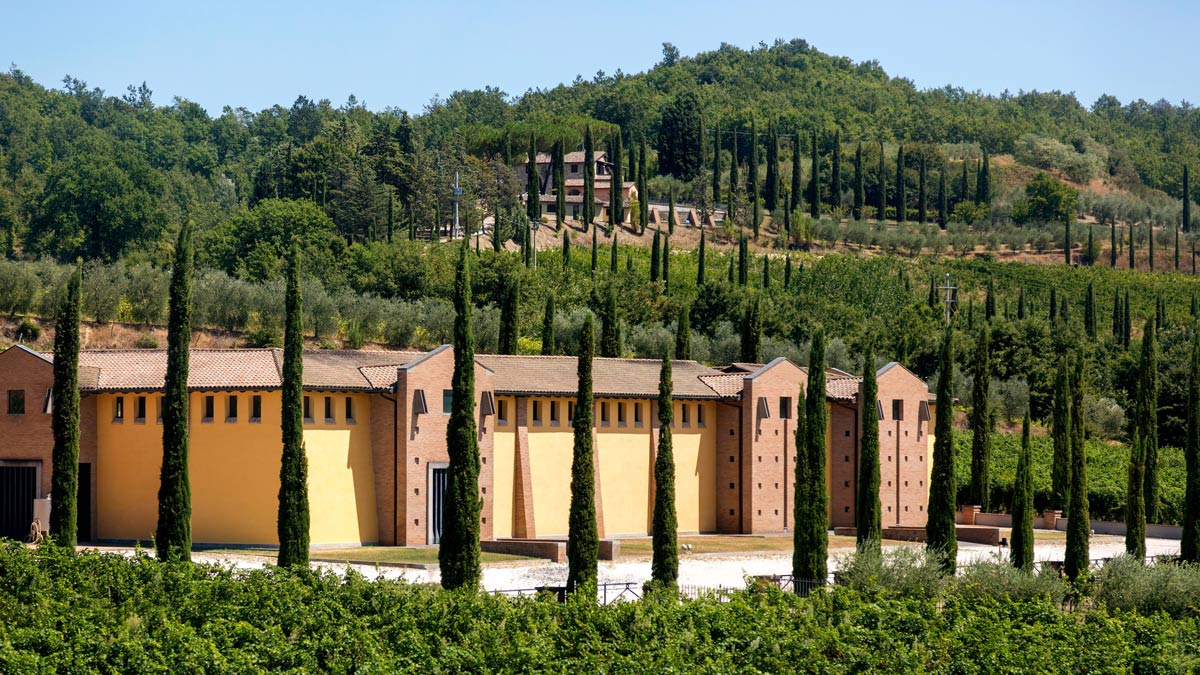
Tuscany is well suited to travellers who want wine, food, rural landscapes and historic towns within the same itinerary. Rather than functioning as one compact wine zone, it contains several distinct areas, including Chianti Classico, Montalcino, Montepulciano, San Gimignano and the coastal territory around Bolgheri.
Movimento Turismo del Vino Toscana is a regional wine-tourism association that works with participating wineries and organises wine tours, tastings and events throughout the year. Its activities are designed to connect visitors with Tuscan wine production and the wider culture surrounding it.
Best For: Travellers who want to combine Sangiovese-focused tastings with regional food, agriturismo stays, countryside scenery and cultural stops.
Project Snapshot: The association represents participating Tuscan wineries and promotes organised wine-tourism experiences across the region. Its winery network provides a practical way to identify estates that welcome visitors.
Main Experiences: Cellar tours, guided tastings, seasonal wine events, vineyard visits, agriturismo accommodation and food-and-wine experiences connected with Tuscan communities.
Advantages: Tuscany offers substantial stylistic and geographic variety. Visitors can focus on Chianti Classico, compare Brunello di Montalcino with Vino Nobile di Montepulciano or include Vernaccia di San Gimignano and the international varieties associated with Bolgheri. Wine visits can also be combined with Florence, Siena, the Val d’Orcia and smaller hill towns.
Limitations: Tuscany is much larger than it appears on a simplified tourist map. Florence, Chianti, Montalcino and Montepulciano do not form one compact route, and rural driving can be slow. Popular estates frequently require advance reservations, so a focused itinerary covering one or two subregions is usually more practical than attempting to see the entire region in a few days.
3. Bordeaux — Bordeaux Wine Trip
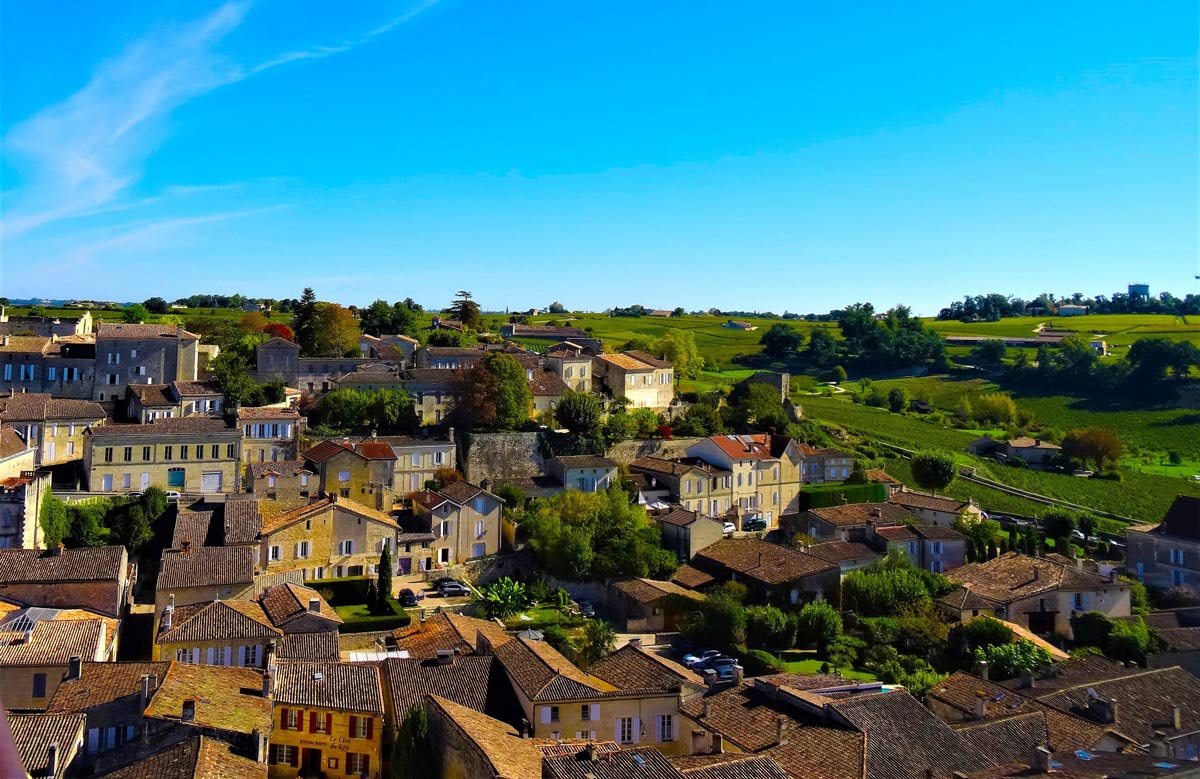
Bordeaux is particularly useful for travellers who want to understand appellations, blending traditions and the relationship between grape variety, soil and location. Bordeaux city provides a convenient cultural base, while the surrounding vineyards extend across several separate areas on both sides of the Gironde estuary and its rivers.
Bordeaux Wine Trip is an official wine-tourism platform connected with Bordeaux’s regional wine sector. It helps visitors explore appellations, wine routes, châteaux and bookable vineyard experiences. The official Bordeaux tourism service also lists visits covering areas such as Médoc, Saint-Émilion, Pomerol, Graves and Sauternes.
Best For: Travellers interested in classic red blends, château visits, appellation systems and structured wine education.
Project Snapshot: Bordeaux Wine Trip brings together information about estates, tasting activities, regional routes and visitor experiences across the Bordeaux vineyard.
Main Experiences: Scheduled château visits, cellar tours, blending workshops, vertical tastings, wine museums, medieval Saint-Émilion and visits focused on dry or sweet white wine.
Advantages: Bordeaux makes regional comparison unusually clear. Visitors can contrast Cabernet Sauvignon-led wines from parts of the Left Bank with Merlot-led styles associated with the Right Bank, while Pessac-Léognan, Graves and Sauternes add dry and sweet white wines to the itinerary. Bordeaux city also offers restaurants, museums and other cultural activities between vineyard days.
Limitations: The estates are geographically dispersed, and many accept visitors only through scheduled appointments. Travelling between the Left and Right Banks on the same day can consume significant time. Tasting prices, languages and access policies vary by château, so each visit description should be reviewed before booking.
4. Douro Valley — Douro Wine Tourism
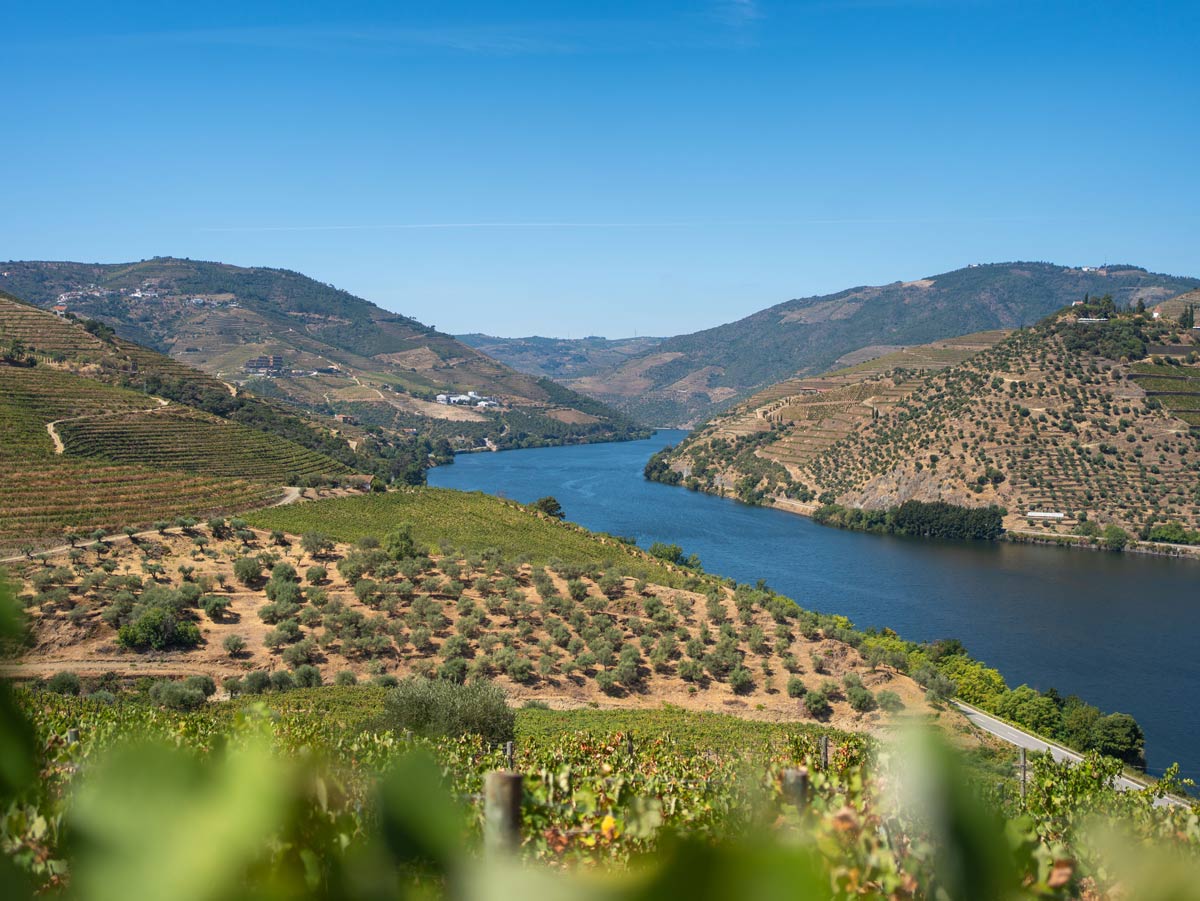
The Douro Valley provides one of the clearest demonstrations of how difficult terrain shapes wine production. Terraced vineyards rise above the Douro River, and many vineyard sites continue to depend heavily on manual work because of their slopes and limited access.
Douro Wine Tourism presents visitor information for the Demarcated Douro Region, including access by road, rail and river. The platform is connected with regional development associations working across different parts of the Douro.
Best For: Travellers interested in Port, dry Douro wines, terraced landscapes and journeys where trains, boats and vineyard stays form part of the experience.
Project Snapshot: The project covers the Douro as a wider destination, including its communities, transport connections, wine estates and tourism infrastructure.
Main Experiences: Quinta visits, Port tastings, dry-wine tastings, vineyard accommodation, scenic rail journeys, river cruises and visits to the Port lodges of Vila Nova de Gaia.
Advantages: Porto offers a practical introduction to Port before travellers continue inland. The railway follows the river towards Régua and Pinhão, while an overnight stay in the valley allows more time for individual quintas and less dependence on a rushed day tour. The Alto Douro Wine Region is also recognised by UNESCO for its cultural landscape and the long interaction between wine production and the region’s physical environment.
Limitations: Travel between individual estates can be slow, and neither trains nor river services reach every quinta. Summer temperatures can be high, while several Port tastings in one day may become tiring because fortified wine has a higher alcohol level than most still wines. Transfers or a dedicated driver are often necessary beyond the principal railway stops.
5. Rioja — Rioja Alta Wine Route
Rioja is a useful destination for understanding how maturation can influence wine style. Comparative tastings may include younger wines alongside Crianza, Reserva and Gran Reserva examples, turning label terminology into a direct sensory experience.
The Rioja Alta Wine Route connects vineyards and wineries with accommodation, restaurants and other visitor services in Rioja Alta. It is managed through the Association for the Development of La Rioja Alta and presents the region as a combined wine, landscape and gastronomic destination.
Best For: Travellers interested in ageing categories, traditional bodegas, contemporary winery architecture and northern Spanish gastronomy.
Project Snapshot: The route focuses primarily on Rioja Alta and provides visitor information about wineries, places to stay, restaurants and activities in the surrounding area.
Main Experiences: Winery tours, barrel-cellar visits, guided tastings, food pairings, vineyard walks, cycling routes and stops in wine towns such as Haro. The official DOCa Rioja tourism portal reports that more than 200 Rioja wineries are open to visitors.
Advantages: Rioja gives beginners a clear practical framework while retaining enough diversity for experienced visitors. Traditional producers can be compared with architecturally modern estates, and the region’s food culture prevents the itinerary from becoming limited to technical tastings. Tempranillo remains central, but Garnacha, Graciano, Mazuelo and white varieties broaden the experience.
Limitations: Rioja extends beyond one town or single route. Haro, Logroño and Rioja Alavesa require deliberate scheduling, particularly when visits have fixed appointment times. Ageing terminology indicates regulated production conditions, but it does not guarantee that every Reserva or Gran Reserva will match an individual traveller’s preferences.
6. Mosel — Visit Mosel
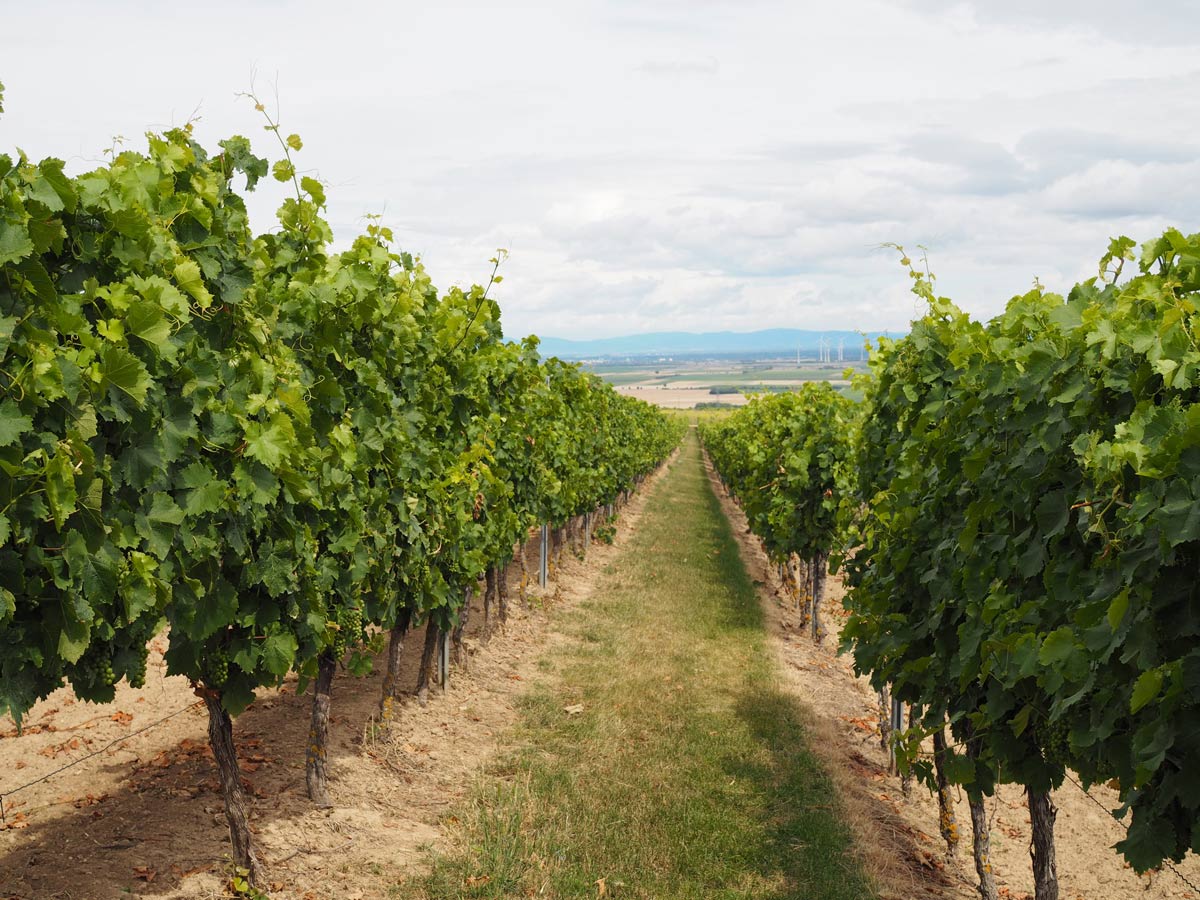
The Mosel is defined by its river landscape and steep vineyards, many of which rise sharply above small wine villages. The slopes help visitors understand why vineyard exposure, slate soils and manual work matter in cool-climate viticulture.
Visit Mosel is the official regional travel portal operated by Mosellandtouristik. It combines information about wineries, accommodation, historic towns, cycling routes, the Moselsteig hiking trail, castles and cultural attractions.
Best For: Travellers interested in Riesling, cool-climate wine, small producers, walking, cycling and river-based travel.
Project Snapshot: Visit Mosel covers the wider Mosel destination and provides planning resources for wine, food, outdoor activities and accommodation. Common bases include Trier, Bernkastel-Kues, Cochem and Traben-Trarbach.
Main Experiences: Riesling tastings, vineyard walks, cellar appointments, cycling stages, river cruises, winery architecture and rail journeys between wine towns. The platform’s wine-and-cuisine section also highlights wineries, vinotheques and the cross-border Via mosel’ wine architecture route.
Advantages: Visitors can compare dry, off-dry, sweet and sparkling expressions of Riesling without leaving the region. Railways and cycle routes make parts of the valley accessible without continuous driving, while castles, historic towns and hiking routes provide alternatives for companions who are less focused on wine.
Limitations: Many small estates receive visitors only by appointment. German wine terminology may require some preparation, and public transport does not provide equally convenient access to every village or winery. Seasonal opening hours can also be limited outside the principal travel periods.

7. Mendoza — Wines of Argentina
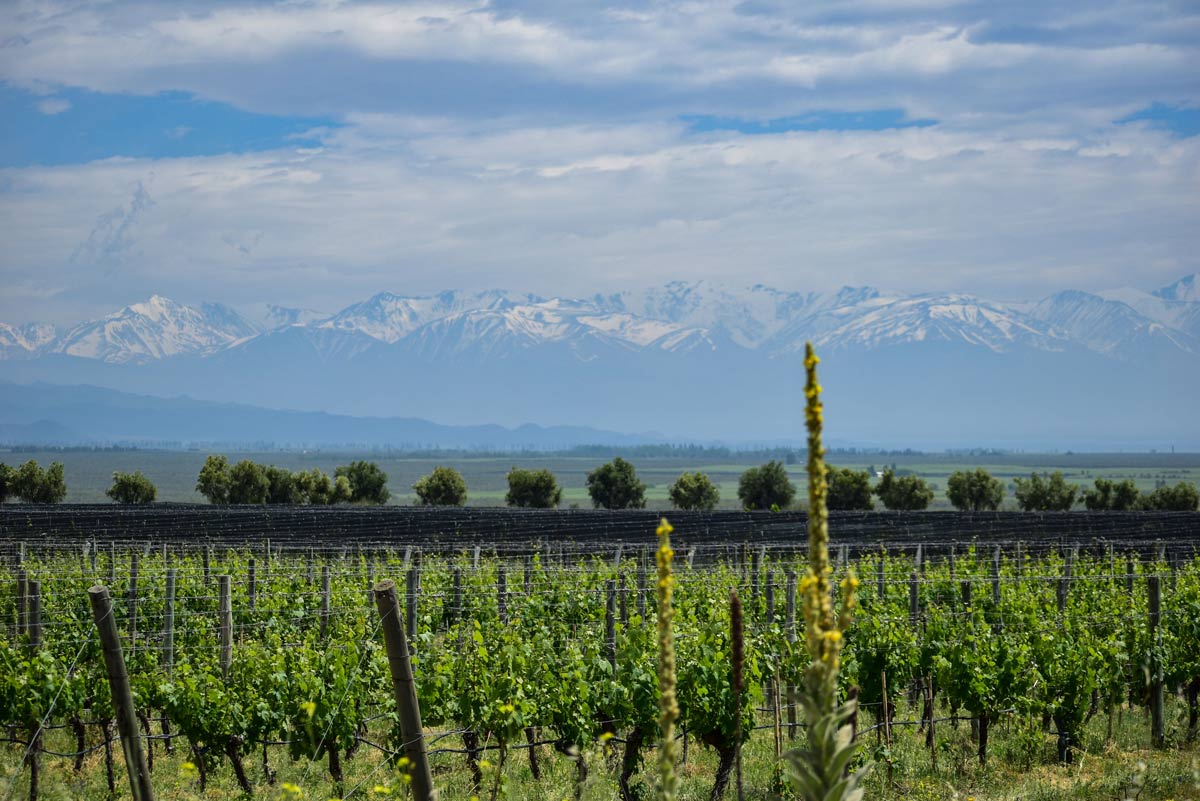
Mendoza combines high-altitude vineyards, dry landscapes and the Andes with a substantial concentration of Argentina’s wine production. The destination is spread across several touring zones, so the distances between the city, Luján de Cuyo, Maipú and the Uco Valley significantly influence itinerary planning.
Wines of Argentina is the national organisation responsible for promoting Argentine wine internationally. Its official regional information states that Mendoza contains approximately 76% of Argentina’s vineyard area and the country’s largest concentration of wineries.
Best For: Travellers who want Malbec, high-altitude vineyards, winery restaurants and views of the Andes.
Project Snapshot: Wines of Argentina provides regional information about Mendoza and its role within the broader Argentine wine industry. The official national tourism portal also presents wine tourism as Mendoza’s principal visitor attraction.
Main Experiences: Winery tours, Malbec tastings, vineyard lunches, architecture-focused visits, blending sessions and excursions towards the Andes.
Advantages: Visiting different parts of Mendoza allows travellers to compare the effect of altitude, climate and vineyard location. Malbec remains the principal reference, but Cabernet Franc, Bonarda, Chardonnay and other varieties prevent the experience from becoming repetitive. Winery lunches are often designed as extended, multi-course experiences rather than brief stops between tastings.
Limitations: Mendoza’s wine areas are too far apart for casual movement between appointments. A private driver or organised tour is generally more practical than self-driving when an itinerary includes several tastings and a long lunch. Summer heat, seasonal demand and transfer times also reduce the reliability of spontaneous bookings.
How We Selected
We assessed all seven entries against seven criteria: regional wine identity, range of tasting experiences, educational value, cultural and landscape interest, visitor infrastructure, transport, and flexibility across budgets. Facts were checked through official tourism portals, regional wine councils, appellation or regulatory bodies and current visitor information. Punin Wine was reviewed through its own public catalogue and service pages.
We excluded places that offered only a narrow day trip, lacked enough visitor information or repeated the same travel profile as a stronger entry. The order reflects overall trip usefulness, not a claim that one region produces objectively better wine than another.
How to Choose a Wine Region
Before booking, use a short practical check:
- Start with the wine style or grape you genuinely want to understand.
- Choose one base and calculate real driving or rail time between visits.
- Confirm reservations, tasting length, food and cancellation terms.
- Arrange a driver, tour or public transport before paying deposits.
- Compare the whole-day cost, not the tasting fee alone.
- Leave space for meals, walking and non-wine interests.
Conclusion
Each of these seven entries suits a different kind of wine trip. Cyprus works for travellers who want to explore local routes and use Punin Wine to compare local wines with familiar international styles. Tuscany makes it easy to combine winery visits with regional food and historic towns. Bordeaux is better suited to visitors who want a structured introduction to appellations. The Douro is as much about moving through the landscape as it is about tasting. Rioja helps make sense of ageing categories. The Mosel keeps Riesling at the centre of the trip. Mendoza, meanwhile, combines high-altitude vineyards with long lunches and views of the Andes.
The right choice comes down to the wines you enjoy, how you plan to get around and what you are prepared to spend. Check opening hours, visit formats and cancellation rules with each winery before booking. There is no prize for squeezing the greatest number of famous names into one itinerary. Two unhurried visits will usually tell you more about a region than a day spent rushing between estates.
FAQ
Which wine region is best for a first wine-focused trip?
The best first region depends on the kind of trip. Cyprus works well for travellers who want local wine routes and a manageable base in Limassol. Tuscany adds historic towns and regional food, while Bordeaux offers a more structured introduction to appellations. Rioja is another accessible option because its ageing categories are relatively easy to compare.
Do I need to hire a car?
A car is useful in Tuscany, Bordeaux, Rioja and parts of the Mosel, but it creates an obvious problem when tastings are involved. The Douro has attractive rail and boat connections, although they do not reach every estate. Mendoza is generally easier with a driver or organised tour. Arrange transport before confirming winery appointments.
How many wineries should I visit in one day?
Two substantial visits are usually enough, particularly when one includes lunch, a vineyard walk or a detailed cellar tour. Three can work when estates are close and tastings are short. Anything more often turns the day into a logistical exercise. Leave time for travel, delays, food, water and an unplanned stop.
What is the best season for a wine-region trip?
Late spring and early autumn are often comfortable in European regions. Harvest adds atmosphere but also brings crowds and leaves producers extremely busy. Mendoza follows Southern Hemisphere seasons, so its growing and harvest calendar is reversed in relation to Europe. Check local weather, estate schedules and access during harvest before choosing exact dates.
Can beginners enjoy a wine-region trip?
Yes. Choose an introductory tasting that compares grapes, sites or ageing rather than assuming prior knowledge. Tuscany, Cyprus, the Douro and Mendoza also offer food, villages, scenery and outdoor activities for mixed-interest groups. Ask simple questions: where were the grapes grown, what changed in the cellar, and why does this wine taste different from the previous one? That is enough to begin.
How far in advance should tastings be booked?
Several weeks is a sensible minimum for famous estates, small producers and harvest-season weekends. Some sought-after properties release appointments months ahead, while larger visitor centres may accept shorter notice. Confirm whether the listed price includes a tour, tasting, food pairing or vineyard access, and check cancellation conditions before paying online.
How can travellers taste responsibly?
Use a driver, public transport or an organised tour whenever possible. Eat before and during the day, drink water regularly and use the spittoons provided during comparative tastings. Spitting is normal during professional tastings and makes it easier to compare several wines without consuming every pour. It also helps visitors stay focused on aromas and flavours throughout the day.

Laura Lynch, creator and writer of Savored Journeys, is an avid world traveler, certified wine expert, and international food specialist. She has written about travel and food for over 20 years and has visited over 75 countries. Her work has been published in numerous guidebooks, websites, and magazines.