

Belgium, the Netherlands and Luxembourg sit close enough together that you don’t have to choose between them when planning a trip around food, thankfully. You can move from an ambitious dinner in Antwerp to Amsterdam’s canals, then finish among the vineyards and countryside of Luxembourg without spending most of the journey in transit.
There’s enough depth to make dining the reason for the trip, too. The 2026 Michelin Guide for Belgium and Luxembourg includes 139 restaurants with at least one star, while the Netherlands currently has one three-star and 18 two-star restaurants.
Rather than trying to fit too many into one trip, give each major meal its own setting and leave time to enjoy the places you’re visiting!
Belgium: Antwerp, Brussels and Beyond
Antwerp is a natural starting point because its food scene can comfortably fill several days.
How you arrive can depend on what comes before or after Belgium. Rail makes the major Benelux cities relatively straightforward to combine, while travelers building a more bespoke European itinerary may consider a charter private plane when their schedule involves smaller airports or remote destinations. Within Belgium itself, trains and driving cover most places you’re likely to include.
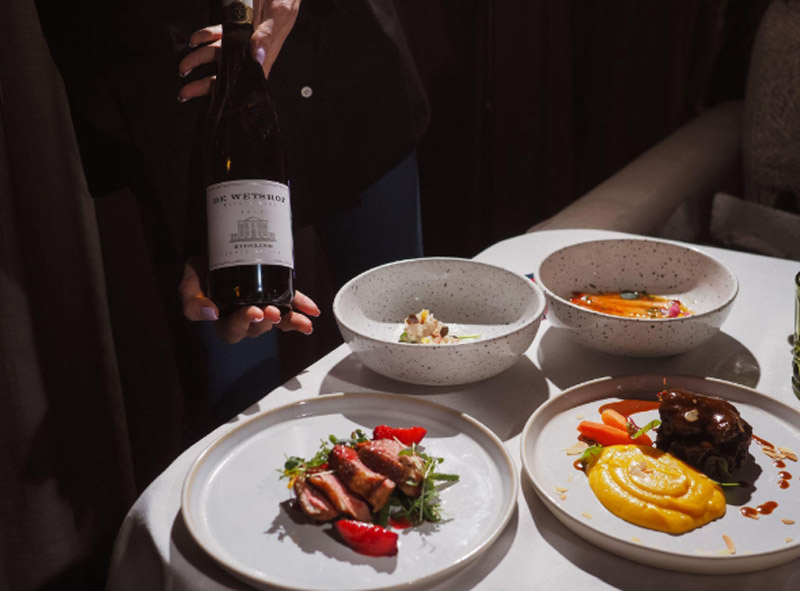
Zilte, which retains three Michelin stars, sits at the top of the MAS museum and turns dinner into part of the experience of being in the city. The Jane offers a once-in-a-lifetime experience. Now located in a converted warehouse in the Eilandje district, the two-star restaurant combines food with design and music in a setting that feels unmistakably Antwerp.
Spend the following morning around the historic center or browsing the city’s fashion and design shops before moving on. There’s little reason to schedule another elaborate tasting menu immediately.
Brussels provides the next change of pace. Grand hotels, Art Nouveau architecture and neighborhood restaurants give the capital a different character. This is a good place to leave space for Belgian classics, chocolate shops and an unplanned lunch.
You could also take the itinerary away from the cities. Bruges provides a romantic detour, while the Belgian countryside works well if you’d rather follow a long dinner with a quiet hotel morning than another day of sightseeing.
From here, the Netherlands is an easy next step.
The Netherlands: Amsterdam and the Dutch Countryside
Amsterdam may be the obvious base, but there’s no need for the Dutch part of the journey to begin and end at the canals.
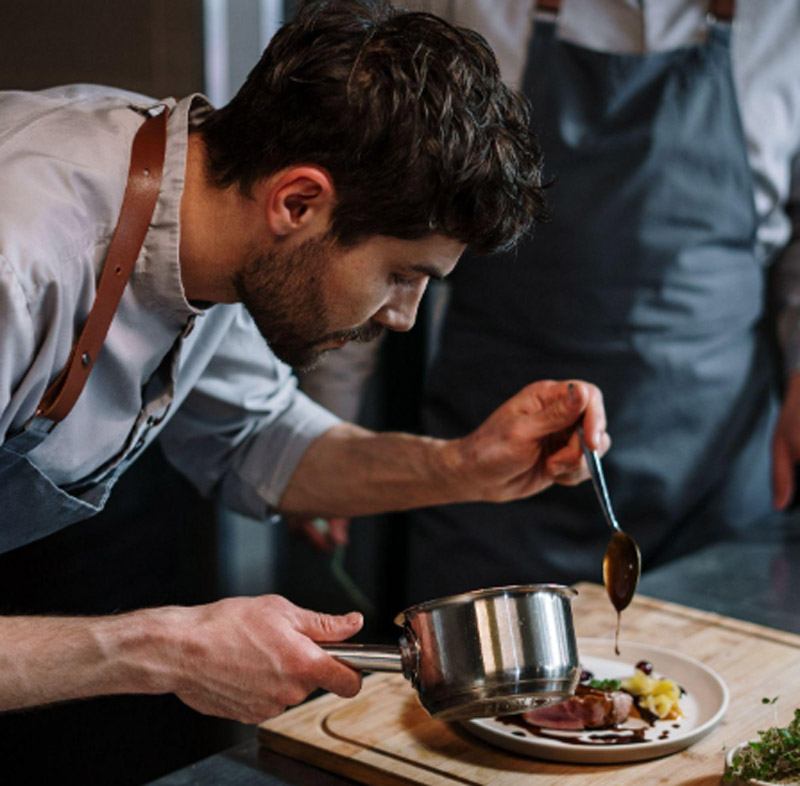
The city has several two-star Michelin restaurants, including Flore, Vinkeles, Restaurant 212 and Ciel Bleu. Vinkeles, for instance, is located at The Dylan, making it possible to build the evening around the hotel rather than crossing the city before and after a long meal.
Give Amsterdam some breathing room between reservations. A morning along the canals, a market visit or an afternoon in one of the museums provides a welcome change from tasting menus.
Then move beyond the capital. Some of the country’s most interesting food experiences require leaving central Amsterdam behind. Overveen’s De Bokkedoorns is one example, combining two-star dining with a setting outside the busiest part of the city.
After Antwerp, Brussels and Amsterdam, a countryside property or smaller Dutch town gives you a chance to slow down before heading south again. You can cycle, walk or simply spend an afternoon at the hotel without feeling that you’re missing a long list of city sights.
Luxembourg: a Compact Fine-Dining Escape
Luxembourg works particularly well as the final stop because very little is far away. You can stay in Luxembourg City and still reach vineyards, forests and smaller towns without changing hotels every night.
Michelin currently lists two two-star and 10 one-star restaurants in Luxembourg. Among the one-star options are Mosconi, Ryôdô, Fields by René Mathieu and La Villa de Camille et Julien.
La Villa de Camille et Julien is particularly suited to this kind of itinerary. The restaurant occupies an elegant villa in the City, with a terrace set against a rock face, while chef Julien Lucas combines French technique with seasonal ingredients and influences from the surrounding region.
From the city, the Moselle wine region provides the natural escape. Vineyards line the river along Luxembourg’s eastern border, so an afternoon around the wine villages provides some welcome contrast after several city stays. Local wine and countryside take over from museums and shopping, allowing the final part of the trip to move at a gentler pace.
Turning Three Countries into One Trip
Despite crossing three borders, this itinerary doesn’t require complicated logistics. Rail is particularly useful between the major cities, allowing you to travel from one center to another without worrying about parking once you arrive.
A car becomes more useful in the countryside. If your reservations include rural restaurants, vineyard visits or hotels away from the rail network, driving gives you more freedom over where you stay and how long you spend there.
Scheduled flights tend to make more sense when Benelux forms part of a wider European journey rather than for short journeys within the region. It’s worth deciding on the dining reservations first and then choosing transport according to the route you’ve created.
Final Thoughts
A gastronomic trip through the Benelux region is worth planning with intention. Michelin reservations may need to be secured well in advance, particularly for sought-after tables and weekend dining, so confirm those before locking in hotels and transport.
Avoid booking a major tasting menu every evening, too. Leave some space to appreciate the meals and give yourself time for the cafés, markets, wine and regional dishes you’ll encounter along the way. Seven to 10 days gives the journey room to work without turning it into a race between reservations.
Belgium provides the opening stretch of ambitious dining and city culture before the Netherlands introduces Amsterdam and quieter surroundings. Luxembourg then lets the trip finish among vineyards, countryside and one last memorable meal.
Laura Lynch, creator and writer of Savored Journeys, is an avid world traveler, certified wine expert, and international food specialist. She has written about travel and food for over 20 years and has visited over 75 countries. Her work has been published in numerous guidebooks, websites, and magazines.