

A first Himalayan trek can feel intimidating. Search for trekking routes in Nepal and the internet quickly fills with pictures of high passes, snowy peaks, long suspension bridges, and trekkers carrying large backpacks through remote valleys. It is easy to assume that every trek requires months of preparation and previous experience.
That is not the case.
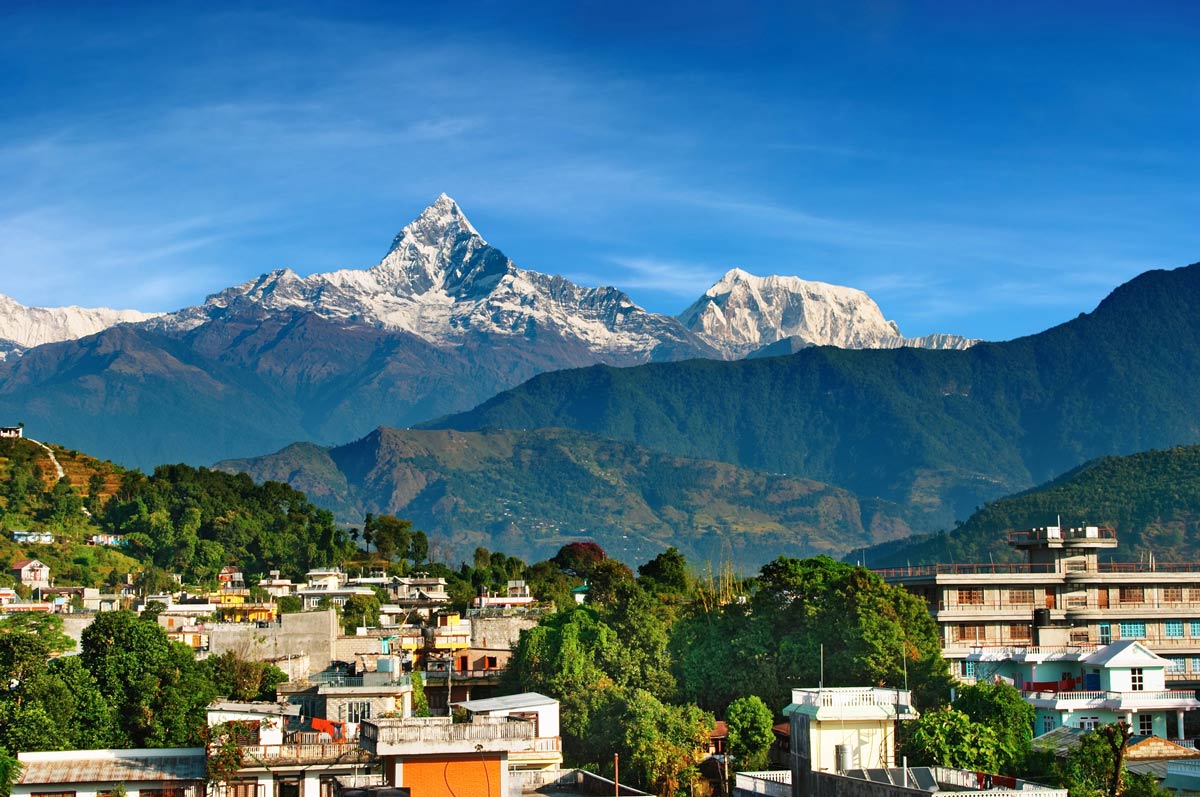
Nepal has trekking routes for a wide range of travelers, including people who have never spent more than a few days walking in the mountains. What matters most is choosing a route that matches fitness, available time, altitude tolerance, and expectations.
For a first trek, it helps to look beyond the question of which route has the biggest mountain views. Accommodation, road access, altitude gain, trail conditions, and the availability of local support can make a major difference to the overall experience.
Some first-time trekkers prefer a relatively straightforward route with plenty of lodges. Others are happy to take on longer walking days because they want a quieter and more remote experience. Nepal offers both.
What Makes a Good First Trek in Nepal?
There is no single route that is right for everyone.
A good first trek should give travelers enough time to adjust to walking at altitude without making every day feel like a race. A route with regular overnight stops also makes it easier to manage tiredness, weather changes, and unexpected delays.
Accommodation matters too. Trekkers who are new to mountain travel may feel more comfortable knowing that lodges and teahouses are available along the route. Having a guide can also make a first trek much easier, especially when it comes to pacing, local conditions, meals, accommodation, and navigation.
Another important consideration is altitude. A route may look manageable on a map but feel very different once the trail climbs several thousand meters. The body needs time to adapt, and a sensible itinerary should allow for acclimatization rather than trying to reach higher elevations too quickly.
This is why choosing a trek based only on distance can be misleading.
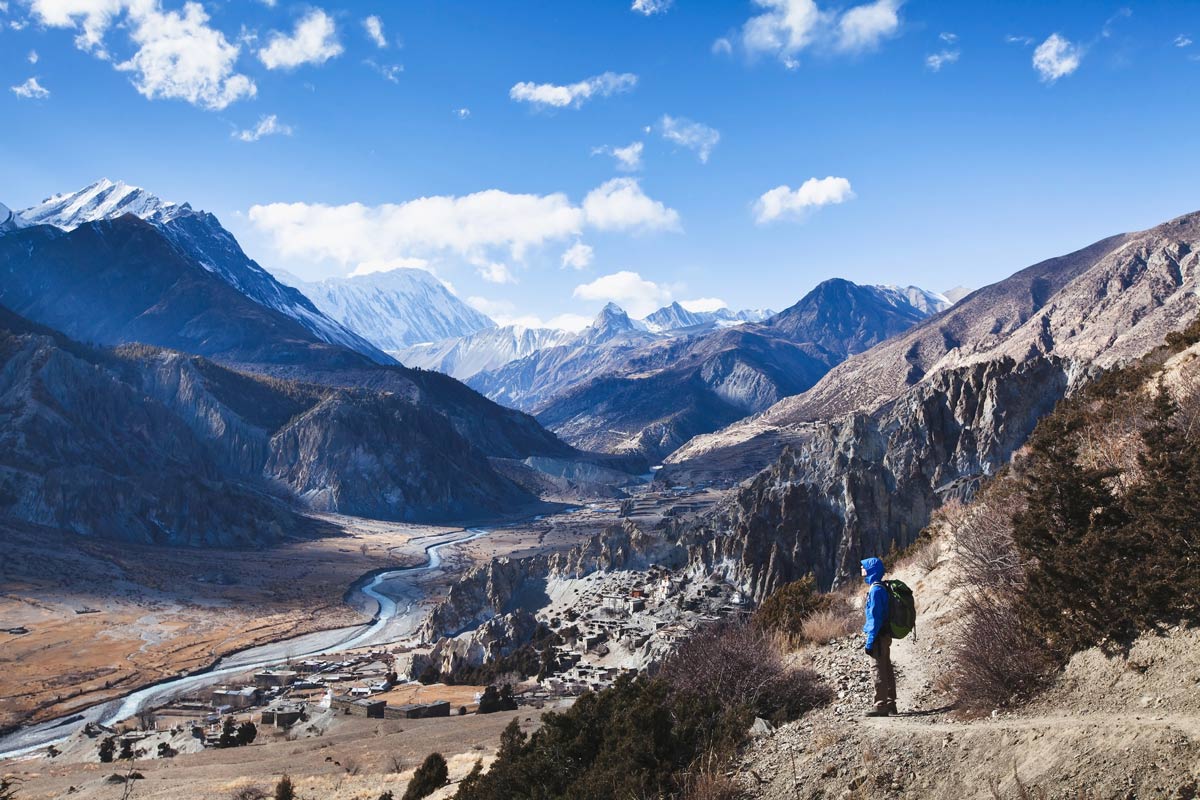
Annapurna Circuit: A Flexible Introduction to Himalayan Trekking
The Annapurna region has long been one of Nepal’s most popular trekking areas, and its popularity makes sense for first-time visitors.
The route offers an impressive change in landscapes, from green valleys and lower hills to high mountain terrain. Villages along the route provide places to stop, eat, rest, and spend the night, which makes planning relatively straightforward.
Another advantage is flexibility.
Road access has changed parts of the traditional route, allowing trekkers to adjust where they begin and how much of the lower section they want to walk. Some travelers use transport for sections where roads are available and save their walking time for the higher mountain areas.
For someone new to Himalayan trekking, that flexibility can be useful. A first trek does not necessarily need to follow an old itinerary exactly. The route can often be adjusted according to available time, weather, fitness, and personal preference.
That said, the Annapurna Circuit is not an easy walk from start to finish. The higher sections involve significant altitude, and the crossing of Thorong La is a serious mountain day. Preparation and acclimatization still matter.
For travelers considering this option, the Annapurna circuit trek provides a useful example of how a longer Himalayan journey can combine mountain scenery, local villages, and changing landscapes.
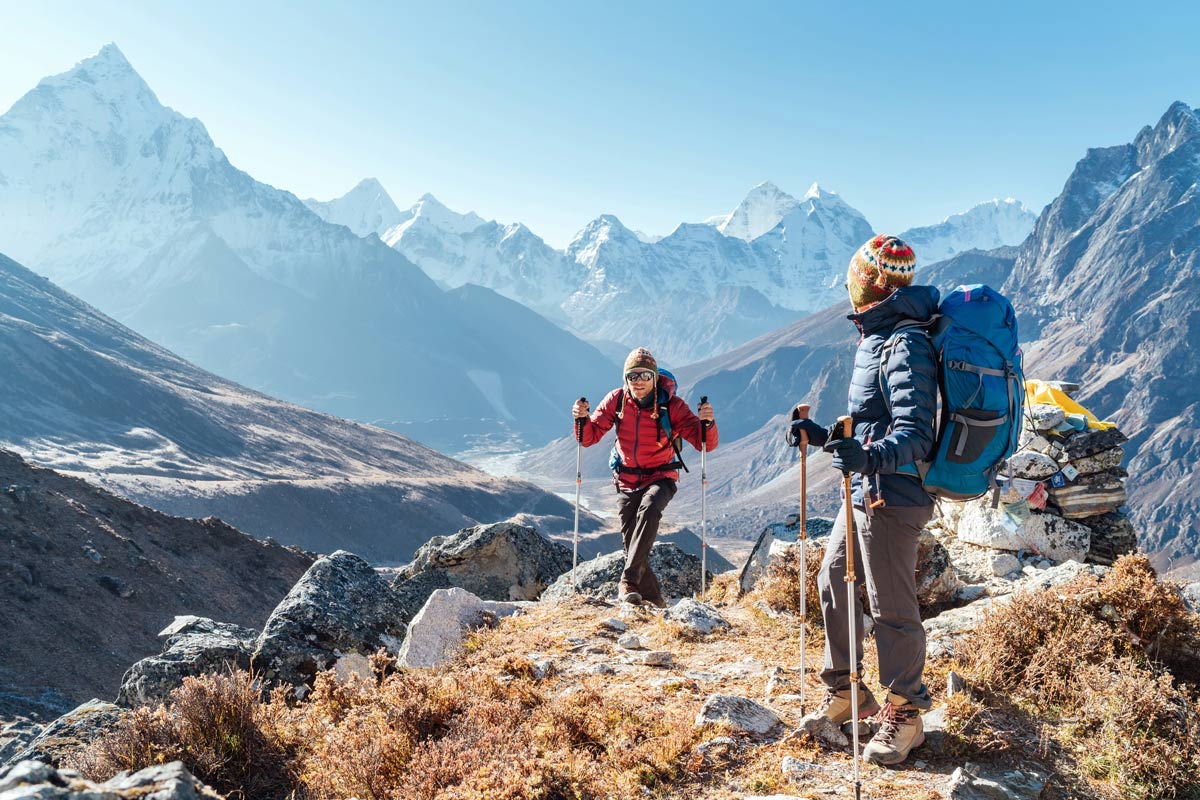
Everest Region: Famous Mountains and Sherpa Culture
For many first-time visitors, Everest is the name that brings them to Nepal in the first place.
The Everest region offers much more than a view of Mount Everest. Trekkers pass through Sherpa communities, Buddhist monasteries, mountain valleys, and famous stopping points on the way toward the high mountains.
The route is well established, with teahouses and trekking services serving visitors throughout the season. That can make the region feel reassuring for people who are worried about being too far from basic services.
The main challenge is altitude.
Trekkers heading toward Everest Base Camp spend several days gaining elevation, and the higher sections can feel demanding even for people who are otherwise fit. A well-planned itinerary with acclimatization days is therefore much more important than simply trying to complete the route as quickly as possible.
There is also a major difference between being fit and being adapted to altitude. Someone who regularly runs or hikes at sea level can still struggle when sleeping at much higher elevations.
That is one of the biggest lessons for first-time Himalayan trekkers: fitness helps, but it does not remove the need for acclimatization.
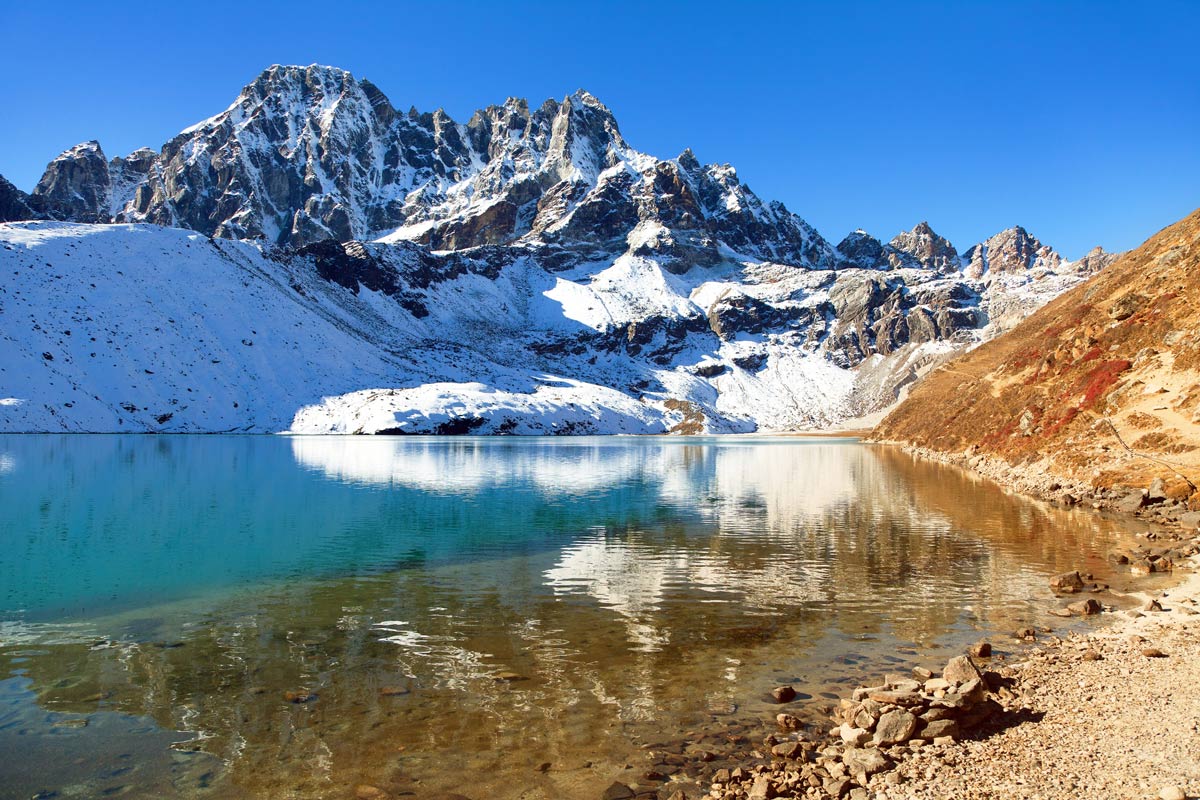
Gokyo: A Different Side of the Everest Region
Travelers who like mountain lakes and quieter scenery may prefer the Gokyo area.
The combination of glacial lakes, high valleys, and dramatic Himalayan peaks gives the route a very different character from a standard Everest Base Camp itinerary. It can appeal to trekkers who want classic Everest-region scenery without following exactly the same route as every other visitor.
A Gokyo lake trek also gives travelers the chance to experience high-altitude trekking while spending more time around the Gokyo Valley and its surrounding peaks.
However, it is important not to confuse a different route with an easier route. Gokyo still reaches high altitude, and the same basic rules apply: walk at a steady pace, drink enough water, take acclimatization seriously, and pay attention to how the body feels.
The scenery may encourage trekkers to keep moving because there is always another viewpoint or lake ahead. Sometimes the best decision is to slow down.
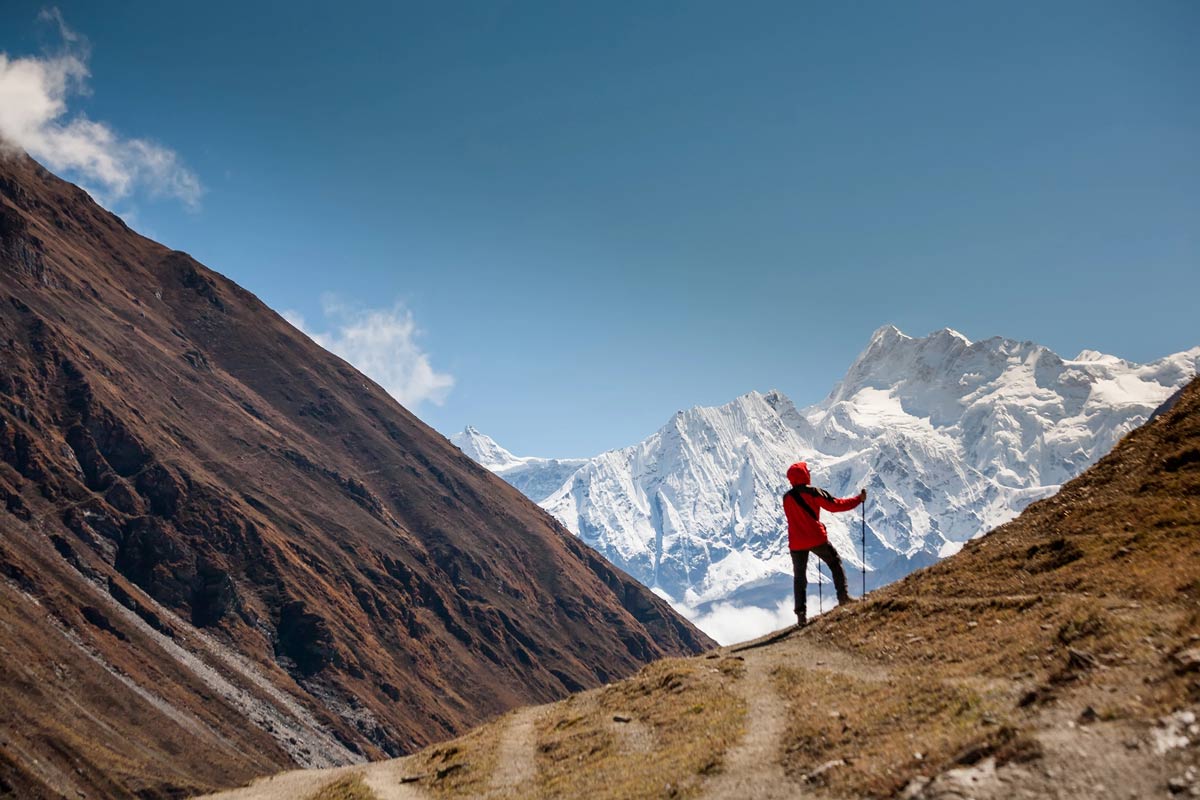
Manaslu Circuit: A First Trek for Prepared Travelers
The Manaslu Circuit is often described as a remote alternative to more established routes, and that is one reason it attracts experienced trekkers.
But can someone with no previous Himalayan trek experience do it?
Yes, provided they are physically prepared, understand the altitude demands, and travel with appropriate local support.
The Manaslu route is longer and more remote than many short introductory treks. The trail moves through different environments as it follows the Budhi Gandaki Valley, eventually reaching high mountain terrain and the Larkya La pass.
That changing landscape is a major part of the attraction.
One day may involve walking beside a river through a narrow valley, while later sections open into a much more alpine setting. Villages become smaller, the landscape becomes more rugged, and Buddhist cultural influences become increasingly visible.
For first-time trekkers who want something less busy, walking the Manaslu circuit can be an option, but it requires a more deliberate approach to planning.
The route is subject to restricted-area trekking regulations, and trekkers need to arrange the required permits and guide support. That means it is not the type of trip where someone can arrive in Nepal and casually decide to start walking the next morning.
The extra planning is worth considering before choosing the route.
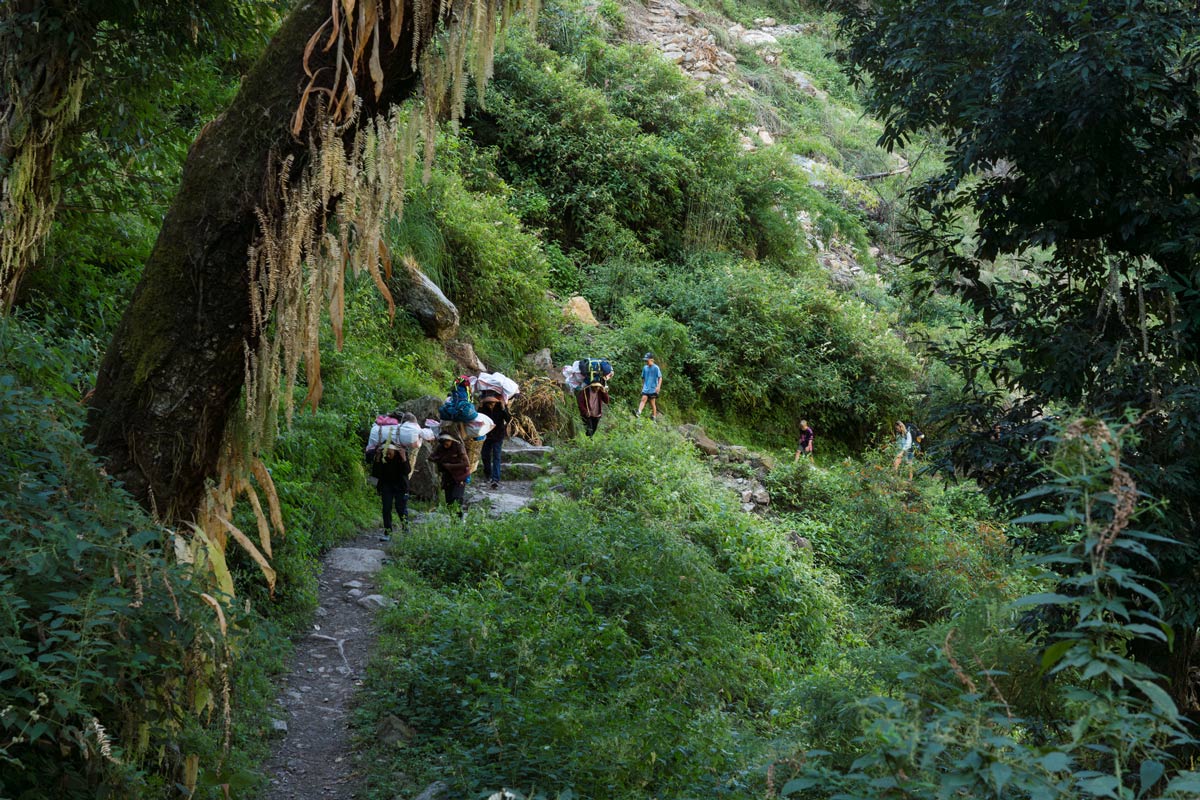
Langtang Valley: A Shorter Mountain Experience
Langtang is another route worth considering for first-time visitors who have limited time.
The valley is relatively accessible from Kathmandu, and the trek can be completed in a shorter period than many of Nepal’s major high-altitude circuits. It combines forests, mountain villages, high valleys, and impressive views without requiring travelers to commit to a two- or three-week journey.
For someone trying trekking for the first time, this can be appealing.
The route still reaches significant altitude, so preparation remains important, but the overall trip can feel easier to manage from a scheduling perspective.
It is particularly useful for travelers who want to experience mountain trekking while keeping several days available for exploring Kathmandu or other parts of Nepal.
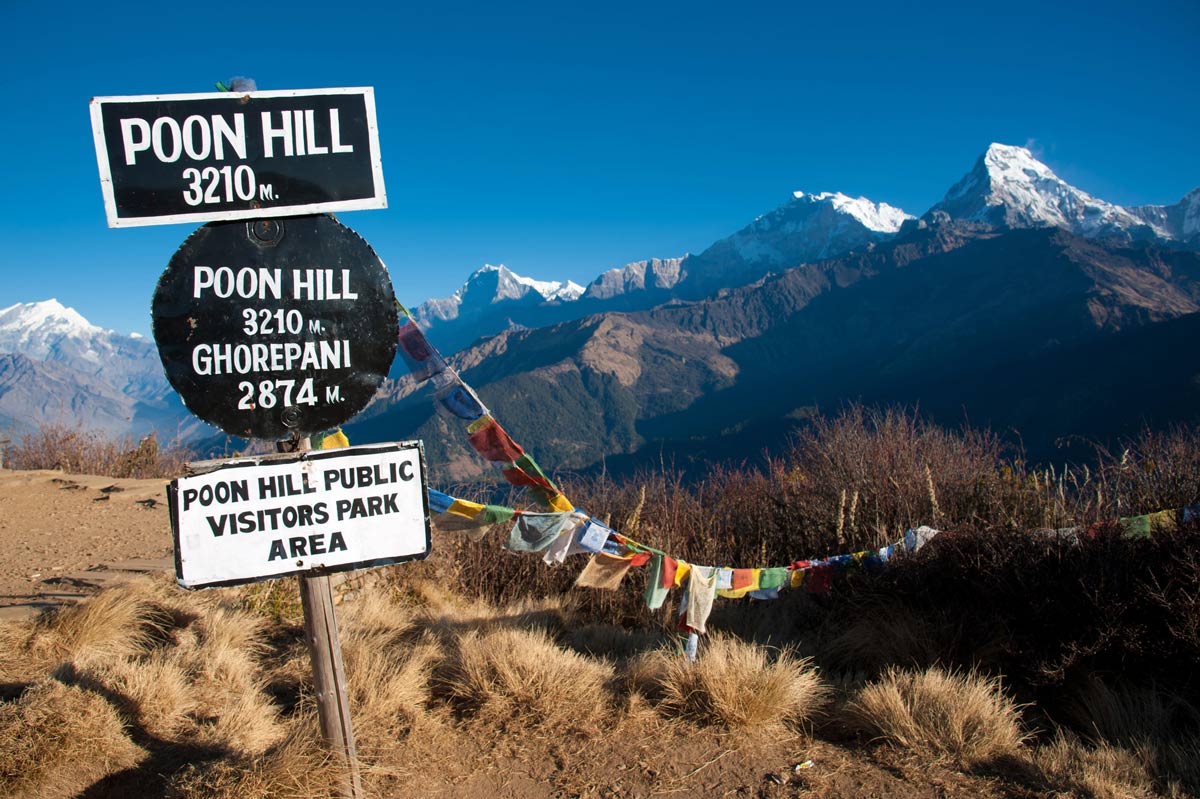
Poon Hill and Shorter Treks
Not every first trek needs to involve a major mountain pass.
Shorter routes around the Annapurna region can be a smart choice for people who want to understand how their body responds to several days of walking before attempting a longer Himalayan journey.
Poon Hill, for example, is popular because it combines mountain scenery with a relatively short itinerary. It can provide a taste of teahouse trekking, early-morning mountain views, local villages, and uphill walking without the commitment of a long circuit.
These shorter routes are also useful for travelers who have limited holiday time.
A first trek does not have to be the biggest trek available. Sometimes a shorter trip leaves travelers with more energy to enjoy the experience rather than spending the final days simply trying to finish.
How Difficult Is a First Trek Really?
Difficulty is personal.
Two travelers can walk the same trail and have completely different experiences. One may find the distance comfortable but struggle with altitude. Another may handle the altitude well but find repeated uphill and downhill sections tiring.
Weather can also change the experience.
A trail that feels easy in cool, dry conditions can feel completely different in heavy rain or snow. This is why the timing of a trek matters almost as much as the route itself.
First-time trekkers should also understand that mountain days often begin earlier than normal holidays. Breakfast may be followed by hours of walking, with breaks in villages or teahouses along the way. There may not be a café every few kilometers, and schedules can change because of weather or trail conditions.
The best approach is to expect some discomfort without treating discomfort as failure.
Mountain trekking is not supposed to feel exactly like a city holiday.
What Should First-Time Trekkers Prepare For?
Good preparation does not mean buying every piece of expensive trekking equipment.
Comfortable hiking shoes, warm layers, rain protection, sun protection, a reliable water system, and a suitable backpack are more useful than a suitcase full of unnecessary gear.
Travelers should also have travel insurance that covers trekking at the altitude of their chosen route. Emergency evacuation in the mountains can be expensive, and standard travel insurance policies may not automatically include high-altitude trekking.
A guide can also make a first trip easier.
A good local guide does more than show the way. They can help with accommodation, explain local customs, manage the day’s pace, communicate with teahouse staff, and recognize when a trekker may need additional rest or medical attention.
That local knowledge becomes especially valuable when weather or trail conditions change.
Choosing the Right Route for Your First Himalayan Trek
The best first trek is not necessarily the shortest, the easiest, or the most famous.
It is the one that fits the traveler.
Someone with limited time might prefer Langtang or a shorter Annapurna trek. Someone interested in famous mountain culture may choose the Everest region. Travelers drawn to high-altitude lakes may enjoy Gokyo. Someone looking for a quieter and more remote experience may consider Manaslu with proper preparation and support.
The most important thing is to avoid choosing a route simply because it looks impressive on social media.
A Himalayan trek should leave enough room to walk slowly, enjoy the villages, stop for photographs, drink tea, and respond to the mountain conditions. There is no prize for finishing one day earlier if the entire experience becomes rushed.
For a first-time visitor, Nepal can offer an introduction to the Himalayas that is challenging without being overwhelming. With the right route, realistic expectations, and enough time to adapt, even a first trek can become one of the most memorable parts of a trip to Nepal.

Laura Lynch, creator and writer of Savored Journeys, is an avid world traveler, certified wine expert, and international food specialist. She has written about travel and food for over 20 years and has visited over 75 countries. Her work has been published in numerous guidebooks, websites, and magazines.