

Guest post by Andrew Infantino and Melody Guzman, Travel Your Best
The Dominican Republic is not just a destination for us. It is home. Melody was born in Haina and grew up in Santo Domingo, and it is where we first met, in Punta Cana. We have been back more than once since,
and every trip turns into the same thing: a road trip, beach to beach and city to city, eating whatever is good wherever we happen to be. The food here is not fussy. It is generous, it is cooked by people who
care, and it tastes best when you are not in a hurry.
If you want to understand the country, eat your way through it. This is how we do it.

Punta Cana, where it started
Punta Cana is the famous side of the country, miles of white sand and calm water in Bávaro, and it will always be our favourite stretch of coast because it is where our story began. The days here are simple.
Swim in the morning, walk the beach in the afternoon, and eat when you are hungry.
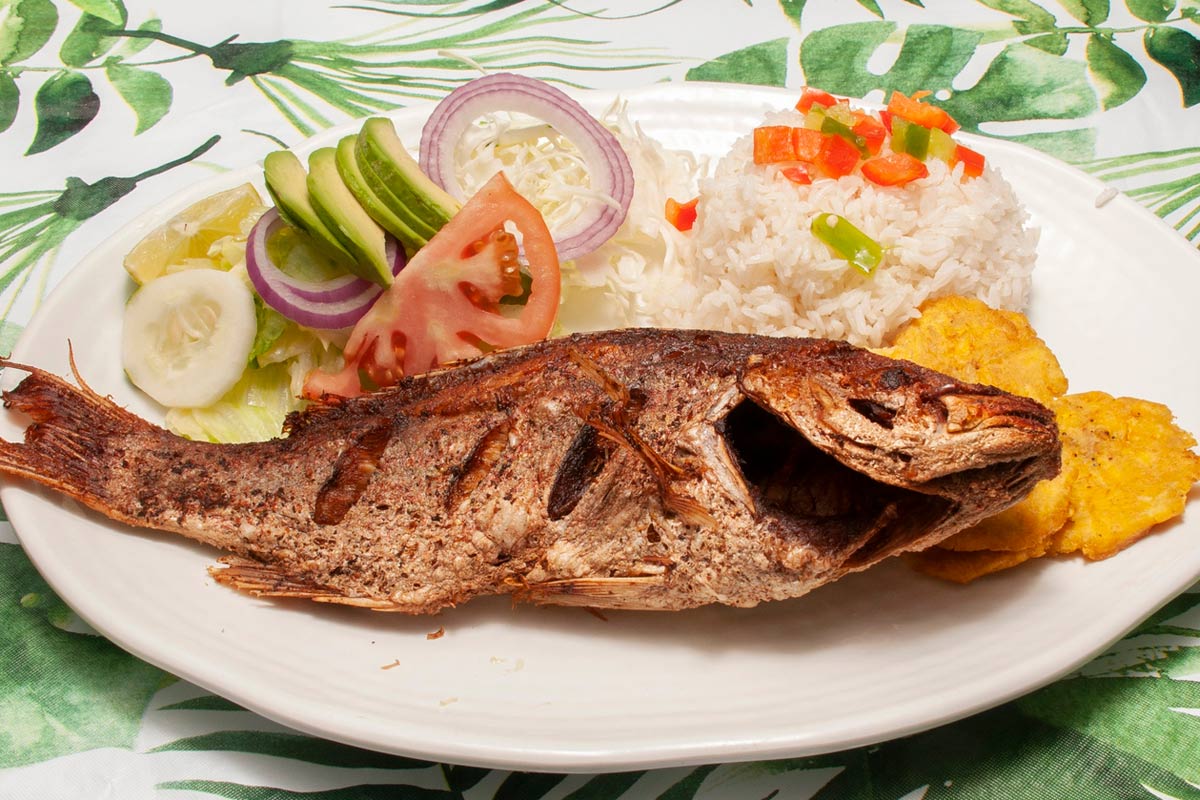
Lunch on this coast is usually fish, caught that morning and grilled plain, with rice and beans and fried plantain on the side. Nothing is dressed up, and nothing needs to be. A cold drink, your feet in the
sand, and a plate that arrives hot from a grill a few steps from the water. That is the whole idea, and it never gets old. We also love getting out into the countryside on a buggy tour and out on the water
on a boat, and both kinds of days end the same way: back at the beach, eating something simple, watching the light change.
Santo Domingo, the capital and Melody’s city
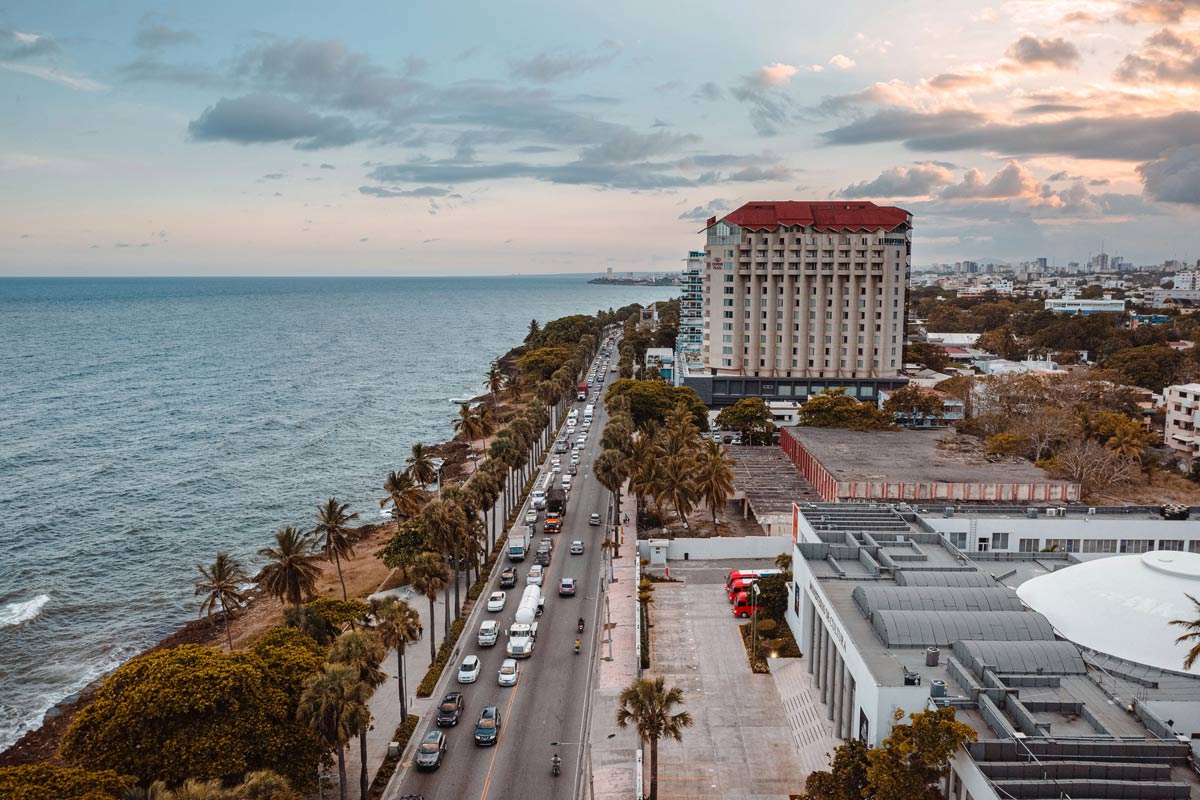
Santo Domingo is personal for us. Melody grew up here, so coming back means family, familiar streets, and food cooked the way she remembers it. The Zona Colonial is the oldest continuously inhabited European city in the Americas, a maze of cobbled streets, the first cathedral in the New World, and the Alcázar de Colón. We walk it slowly, and we always stop for something along the way.
The capital is where you taste the everyday Dominican kitchen. Breakfast is often mangu, mashed plantain with onions, eggs and fried cheese, the kind of meal that keeps you going until late afternoon. Lunch is la bandera, rice, beans and meat, the plate most Dominicans eat most days. It sounds plain written down, but cooked well at home or in a small local place, it is deeply satisfying. In the evening, the city comes alive around the Malecón and the old town, and there is always somewhere open for a late plate of food and a cold drink.
One of our favourite days out from the city is Los Tres Ojos, the limestone caves with crystal lagoons underground, and the Columbus Lighthouse. It is a full day, and like most full days here, it ends with a proper meal, eaten slowly, talking about what we saw.
Samaná, our favourite coast
If Santo Domingo is home, Samaná is our favourite corner of the whole country. The peninsula trades resorts for jungle-backed beaches, hidden coves and wild coastline, and the food follows the same
pattern: small places, fresh catch, no performance.
Las Terrenas is the town we keep coming back to. It has a French-Caribbean flavour to its food and cafés, and it is the kind of place where you eat well without planning it. A long lunch, a coffee, a walk to Playa Cosón for sunset. Cosón is a long sweep of tall leaning palms that turns gold in the evening, and it is our pick for a slow end to the day, preferably with a drink in hand.
Further out, Playa Rincón near Las Galeras is regularly ranked among the most beautiful beaches on earth, and in person it lives up to it: a long, wild curve of coconut palms and clear water with barely any development. The food at Rincón is as simple as it gets, grilled fish and rice served a short walk from the sand, and that is exactly right. When you have spent the morning swimming in water that clear, you do
not want a complicated lunch. You want it fresh, hot, and close to the beach.
The hidden coves around the peninsula, Playa Frontón and Playa Madama among them, are best reached by boat or a short hike, so pack water shoes. The reward is a slice of coast that feels genuinely wild and
often completely empty, and a swim that makes the simplest picnic taste like a feast.
One of our favourite surprises in Samaná was floating in the clear, glassy channels that wind through the mangroves on the Los Haitises side of the bay. It is calm, shaded and completely peaceful, usually paired with a boat trip into Los Haitises National Park to see the caves and bird-filled islets. Days like that remind us why we travel slowly. You cannot rush a mangrove channel, and you should not try.

Saona Island, the classic day trip
Off the south-east coast near Bayahibe lies Isla Saona, a protected island of impossibly clear, shallow turquoise water, natural starfish pools and palm-fringed sandbars. It is the classic Dominican day trip
for a reason, and one of the most beautiful places we have swum anywhere.
Most trips stop at the famous natural pool, a waist-deep sandbar out at sea dotted with starfish, before lunch on the beach. Lunch is the beach barbecue done properly: grilled chicken or fish, rice, salad,
and fresh fruit, eaten under the palms with sand on your feet. You can go the fast way by speedboat or the relaxed way by catamaran, and we would happily do either again. Either way, the meal tastes better for having arrived by boat.
What we love about Saona is how the day strips everything back. There is no menu to study and no decision to make. You swim, you dry off in the sun, and lunch appears. The water is so clear and shallow you can wade out for what feels like forever, and after a morning like that, even a simple plate of rice and grilled fish feels like exactly the right thing. It is a reminder that the best food days are often the ones with the least planning.
Puerto Plata, the colourful north
Up on the Atlantic north coast, Puerto Plata mixes colourful Victorian streets, a mountain you ride a cable car up, and some of the country’s best beach towns. The old town’s Calle de la Doña Blanca, a candy-pink
lane of bougainvillea and colonial balconies, is one of the most photogenic corners of the city, and a lovely place to wander in the late-afternoon light before dinner.
Just east of the city, Sosúa wraps around a calm, reef-sheltered bay that is perfect for swimming and snorkelling, while neighbouring Cabarete is the country’s kite and windsurfing capital. The food up
here leans into the sea again: fried fish, shrimp, and the freshest catch of the day, served in open-air places where you can hear the water. For a big day inland, the 27 Waterfalls of Damajagua, sliding
and jumping down a chain of natural pools, is one of the most exhilarating things you can do in the country, and it builds an appetite like nothing else.
Eating at home, and eating out
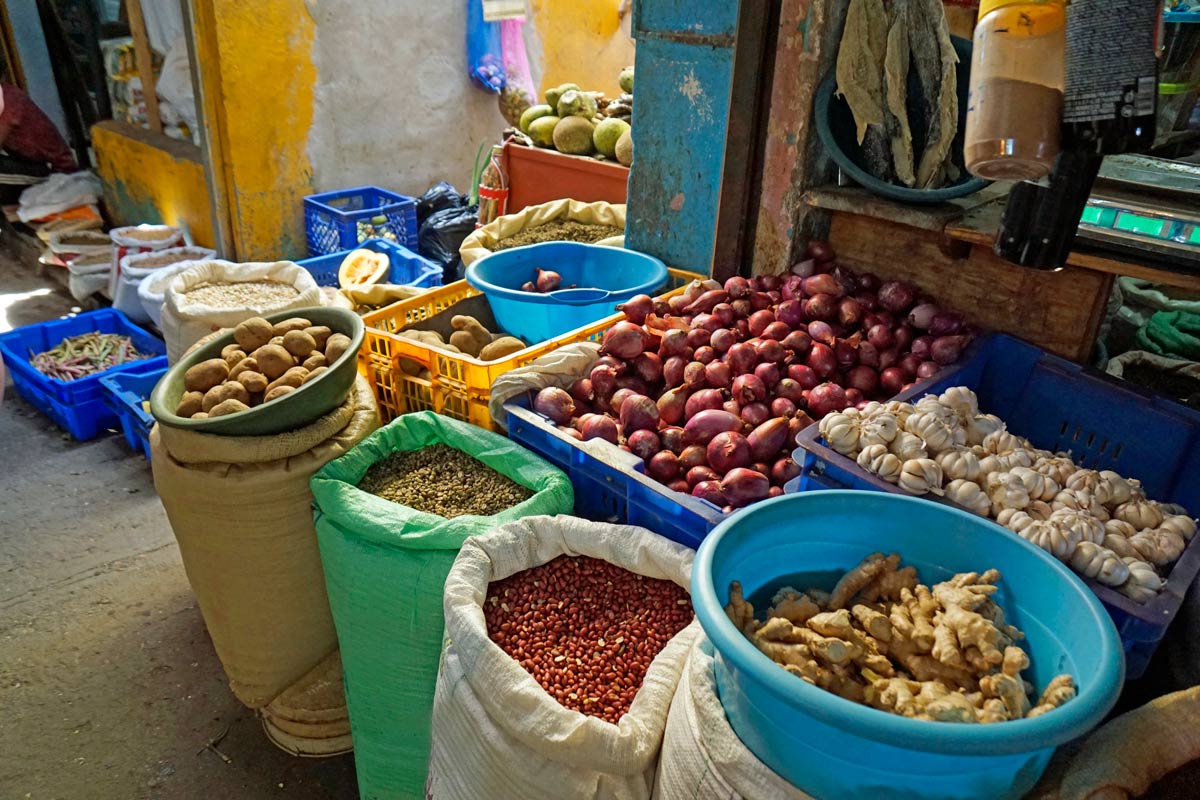
There are two kinds of great meals in the Dominican Republic, and we love them equally. The first is cooked at home. When we are in Santo Domingo with Melody’s family, the kitchen is the centre of the day. Rice is already on, beans are simmering, and someone is always preparing something. Nobody makes a fuss about it, and that is the point. Dominican home cooking is not a performance. It is how you look after people.
The second is eaten out, and it is everywhere. Small local places with plastic chairs and a hand-written menu are usually where we eat best. Order what the people around you are eating. If a place is busy with
locals at lunchtime, sit down. That rule has never failed us here, from the capital to the smallest beach town. The portions are generous, the prices are fair, and the food arrives exactly as it should: hot, simple and full of flavour.
Between meals, the country feeds you in small ways. Fresh coconut cut open at the roadside. Mango and pineapple when they are in season, eaten with salt or just as they are. Strong Dominican coffee in the
morning, and again in the afternoon, because one cup is never really enough. If someone offers you a taste of mamajuana, the spiced rum and herb drink, take a small one. It is part of the welcome.
A few things we have learned
Driving here is genuinely difficult, so we would recommend arranging transport or going with a tour, although we do often rent a car ourselves and road-trip it, which is an adventure in its own right. If
you do drive, plan your food stops the way you plan your beaches. The best meals are rarely in the places with the biggest signs. They are in the town before the beach, or the village just past it.
Eat lunch as your main meal, the way Dominicans do. Restaurants are quieter and the food is freshest in the middle of the day. Keep breakfast simple and save your appetite. Bring cash for small places, and do not be shy about asking what is fresh today. The answer is usually the best thing on the menu.
And give Samaná time. It is the part of the country most people rush, and it rewards the opposite. A few days there, moving between Las Terrenas, Las Galeras and the coves in between, will give you the best eating of the whole trip, because the pace slows down enough for you to notice it.
Why it tastes different here
People ask us what makes Dominican food special, and the honest answer is that it is not one dish. It is the way food fits into the day. Breakfast is unhurried. Lunch is the main event. Fruit is eaten when it is ripe, fish when it is caught, and coffee is never rushed. In Santo Domingo, it is the food Melody grew up with, cooked by family. On the coast, it is whatever came off the boat that morning. In Samaná, it is a grilled fish at a beach with no name on the map.
The Dominican Republic is a beautiful country, and a road trip here is incredible, hopping from beach to beach and city to city. But what we remember most from every trip is not a single meal. It is the pattern:
swim, eat, walk, eat again, watch the sunset, and do it all over again the next day, somewhere new. If you come, do it that way. Rent the car if you are comfortable driving here, or arrange transport, and give
yourself time. The beaches will still be there. The food will be better for not rushing.
For us, every return trip adds another meal to the list and another reason to come back. The country keeps surprising us, not with anything new or fashionable, but with the same simple truth: when the
fish is fresh, the rice is hot, and you are eating it with someone you love, in a place that feels like home, that is as good as food gets.
Our full Dominican Republic guide is here: https://travelyourbest.com/dominican-republic.html
About the Authors
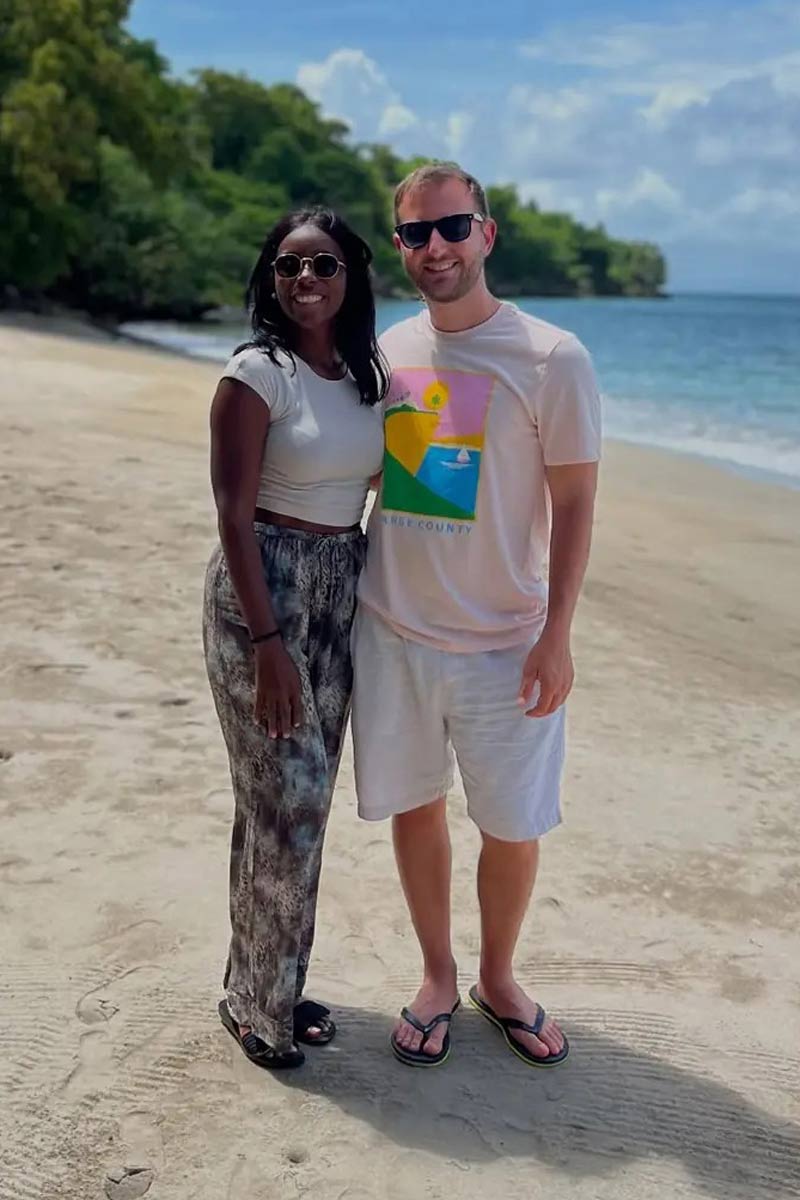
Andrew Infantino and Melody Guzman are the married couple behind Travel Your Best, where they share honest guides from the trips they take together. Melody was born and raised in the Dominican Republic, and the couple have travelled the country together more than once, from Punta Cana and Santo Domingo to Samaná and Puerto Plata. They write about beautiful places, great food, good photos and time to absorb the culture. Follow along on Instagram and TikTok at @andrewlovesmelody.
Laura Lynch, creator and writer of Savored Journeys, is an avid world traveler, certified wine expert, and international food specialist. She has written about travel and food for over 20 years and has visited over 75 countries. Her work has been published in numerous guidebooks, websites, and magazines.