

Japan is a country where ancient traditions and futuristic innovations coexist in harmony. From serene temples to bustling cityscapes, every corner offers a unique experience that can’t be replicated elsewhere. Whether you’re a first-time visitor or a seasoned traveler, these 12 experiences capture the essence of what makes Japan truly unforgettable. Ready to add some extraordinary adventures to your travel list?
1. Witness the Cherry Blossoms in Full Bloom

Every spring, Japan transforms into a pastel wonderland as cherry blossoms, or sakura, blanket the country in pink and white. Hanami, the tradition of flower viewing, brings people together in parks and along riverbanks for picnics under the blooms. Kyoto’s Philosopher’s Path and Tokyo’s Ueno Park are among the most popular spots to experience this fleeting beauty. Timing your visit just right offers a magical glimpse into Japan’s appreciation for nature’s transient moments.
2. Stay Overnight in a Traditional Ryokan

Immerse yourself in Japanese hospitality by staying at a ryokan, a traditional inn that offers tatami-matted rooms, futon beds, and communal baths. Enjoy a multi-course kaiseki dinner featuring seasonal and regional specialties, served with meticulous attention to detail. Many ryokans are located in scenic areas, providing tranquil views of gardens, mountains, or hot springs. It’s a serene retreat that connects you to Japan’s cultural heritage.
3. Ride the Shinkansen (Bullet Train)

Experience the thrill of traveling at speeds up to 320 km/h on the Shinkansen, Japan’s famed bullet train. These sleek trains connect major cities like Tokyo, Kyoto, and Osaka with efficiency and comfort. While onboard, enjoy an ekiben—a regional bento box that showcases local flavors. It’s not just transportation; it’s a quintessential part of the Japanese travel experience.
4. Participate in a Traditional Tea Ceremony

The Japanese tea ceremony, or chanoyu, is a ritualistic preparation and presentation of matcha (powdered green tea). Held in tranquil tea rooms, the ceremony emphasizes harmony, respect, purity, and tranquility. Participants learn the precise movements and etiquette that have been passed down through generations. It’s a meditative practice that offers insight into Japanese aesthetics and philosophy.
5. Explore the Arashiyama Bamboo Grove in Kyoto

Walking through the towering stalks of the Arashiyama Bamboo Grove feels like stepping into another world. The sunlight filtering through the dense bamboo creates a serene and otherworldly atmosphere. Located on the outskirts of Kyoto, it’s a popular spot for both tourists and locals seeking a peaceful escape. The nearby Tenryu-ji Temple and scenic river views add to the area’s allure.
6. Attend a Sumo Wrestling Match
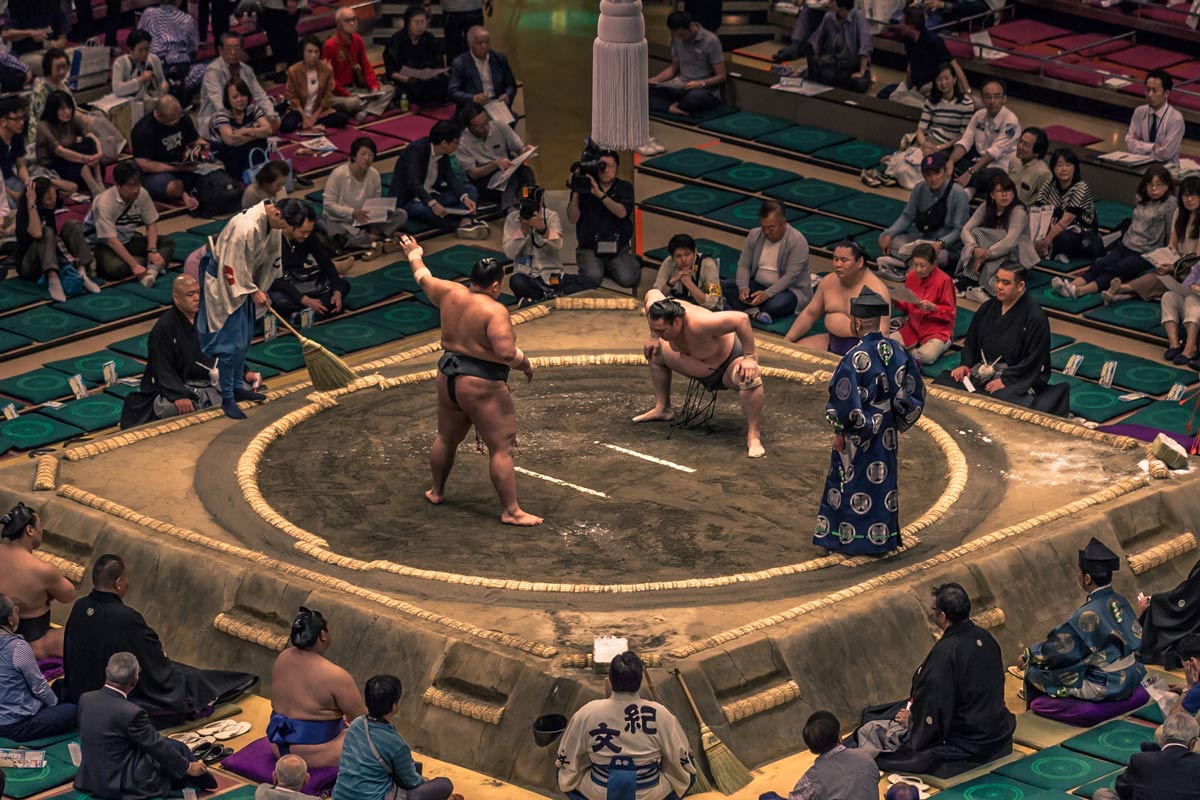
Sumo wrestling, Japan’s national sport, is a spectacle of strength, tradition, and ceremony. Tournaments are held throughout the year in cities like Tokyo, Osaka, and Nagoya, drawing large crowds eager to witness the bouts. Before each match, wrestlers perform rituals like salt throwing to purify the ring. Experiencing a sumo match offers a deep dive into a sport that is uniquely Japanese.
7. Visit the Historic Village of Shirakawa-go
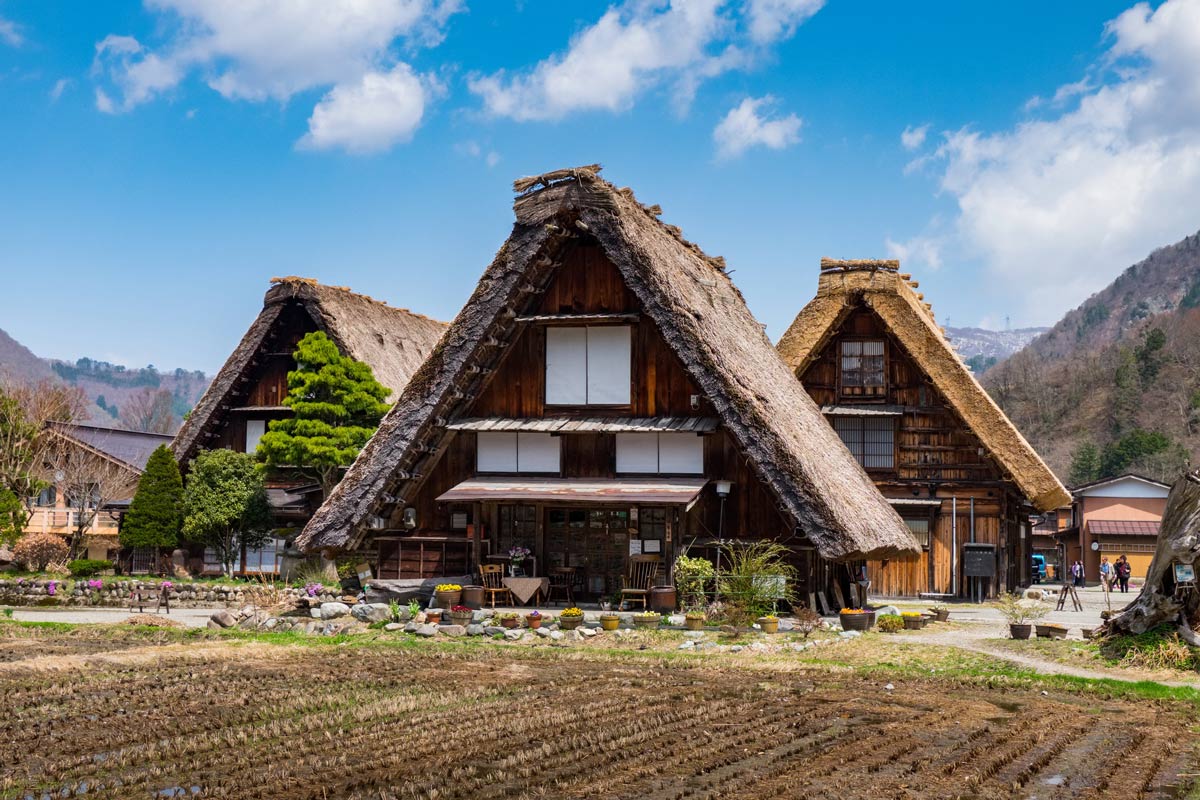
Nestled in the mountains of Gifu Prefecture, Shirakawa-go is renowned for its gassho-zukuri farmhouses, characterized by steep thatched roofs designed to withstand heavy snowfall. This UNESCO World Heritage site offers a glimpse into traditional rural life in Japan. Visitors can stay overnight in some of these historic homes, experiencing the warmth of irori hearths and local hospitality. The village is especially picturesque during winter when it’s blanketed in snow.
8. Indulge in an Izakaya Hopping Night in Tokyo

Experience Tokyo’s vibrant nightlife by hopping between izakayas, Japanese-style pubs offering a variety of small dishes and drinks. Neighborhoods like Shinjuku’s Omoide Yokocho and Shibuya’s Nonbei Yokocho are filled with cozy spots where locals unwind after work. Try specialties like yakitori, sashimi, and sake as you mingle with friendly patrons. It’s a delicious way to immerse yourself in the city’s social culture.
9. Discover the Art Island of Naoshima
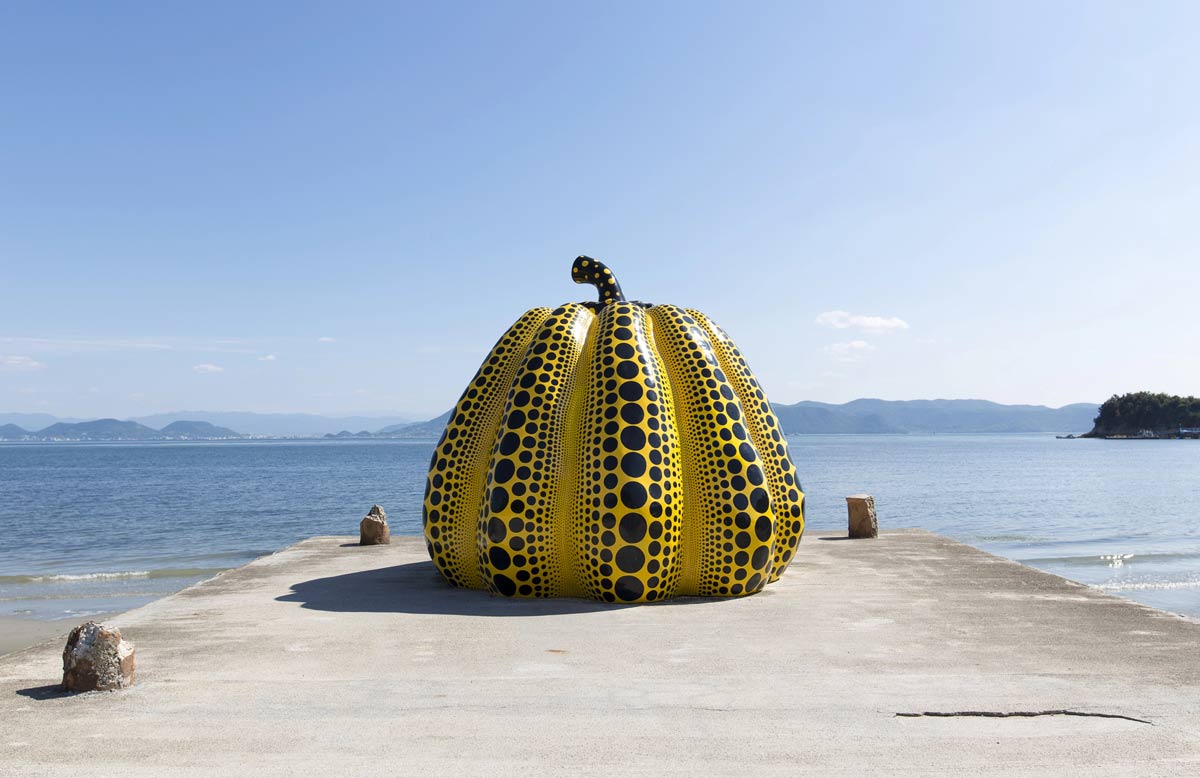
Naoshima, located in the Seto Inland Sea, has transformed from a quiet fishing island into a contemporary art haven. Home to museums like the Chichu Art Museum and outdoor installations by artists like Yayoi Kusama, the island seamlessly blends art with nature. Visitors can explore art-filled architecture, sandy beaches, and quaint villages. It’s a must-visit for art enthusiasts seeking inspiration in a unique setting.
10. Relax in an Onsen (Hot Spring Bath)
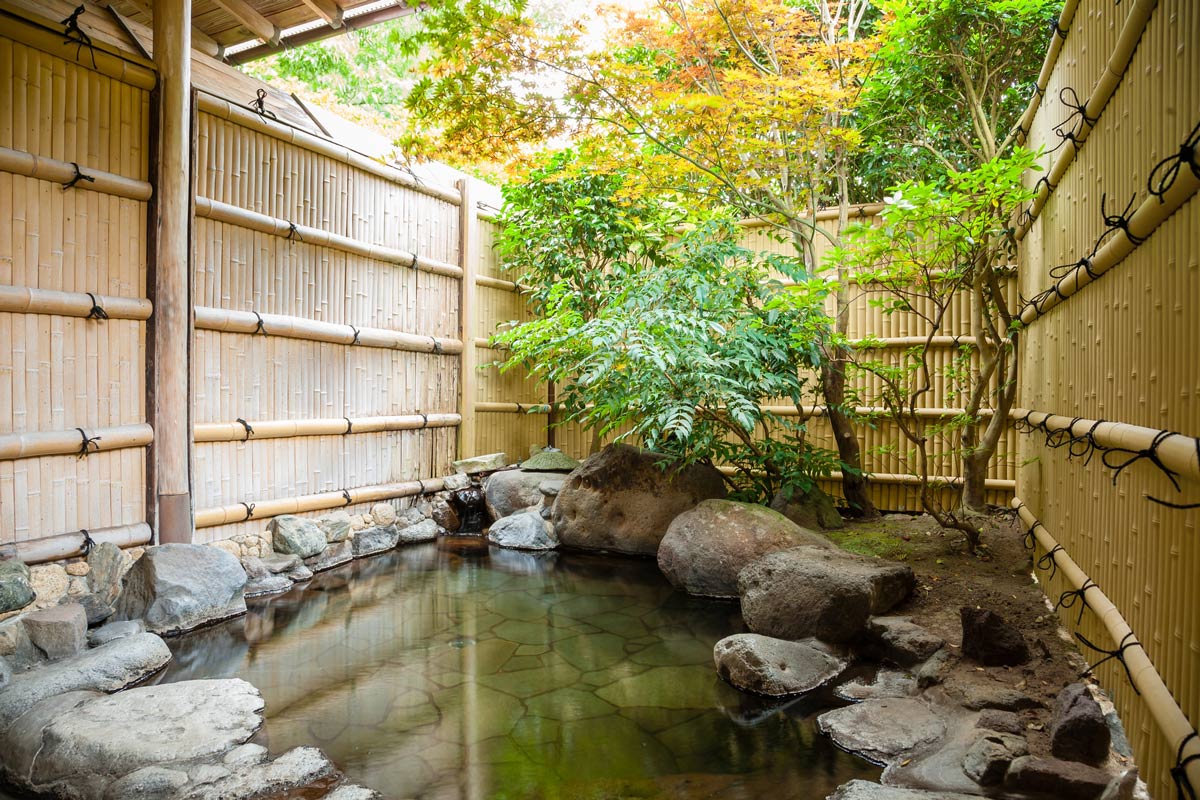
Japan’s volcanic activity has blessed it with numerous onsens, or hot spring baths, scattered across the country. Whether in the snowy mountains of Hokkaido or the coastal towns of Kyushu, soaking in mineral-rich waters is both relaxing and rejuvenating. Many onsens offer outdoor baths with scenic views, enhancing the tranquil experience. It’s a cherished ritual that promotes well-being and relaxation.
11. Walk Through the Torii Gates of Fushimi Inari Shrine

Fushimi Inari Taisha in Kyoto is famous for its thousands of vermilion torii gates that form a path up Mount Inari. Each gate is donated by individuals or businesses, symbolizing gratitude and hope for prosperity. The hike to the summit offers panoramic views of the city and a serene forested trail. It’s a spiritual journey that combines physical activity with cultural exploration.
12. Experience a Night in a Capsule Hotel

For a uniquely Japanese lodging experience, spend a night in a capsule hotel, where guests sleep in compact, pod-like accommodations. Originally designed for salarymen needing a place to rest after work, these hotels have become popular among travelers for their efficiency and novelty. Despite the small size, many capsules come equipped with modern amenities and offer communal lounges and baths. It’s an affordable and memorable way to experience Japan’s innovative approach to space.

Laura Lynch, creator and writer of Savored Journeys, is an avid world traveler, certified wine expert, and international food specialist. She has written about travel and food for over 20 years and has visited over 75 countries. Her work has been published in numerous guidebooks, websites, and magazines.