

Barolo gets the headlines in Piedmont, and white truffles get the invoices. We love them both, but the foods that make us want to rent a small car and drive into the hills are harder to find. They’re the odd vegetables, the mountain cheeses and the rare breeds that almost disappeared.
So we made a list of seven we’d go looking for, with notes on where and when to find them. Bring an appetite, a cooler and a little patience.
Why This Hunt Starts in Piedmont
Slow Food began in Italy in 1986 as a protest against fast food. Its roots run deep in this region. The late Carlo Petrini, who led the movement, came from Bra, a small town in Piedmont, and Bra still hosts the group’s raw milk cheese fair.
The most useful thing for a traveler is the Presidia project, which started in 1999 to protect small producers and foods at risk of vanishing. Piedmont has a long list of them. Think of it as a treasure map with very good snacks.
Find 1: The Turnip Inside a Volumizing Shampoo
We’ll start with the strangest story on the list. The Caprauna turnip grows in the Upper Tanaro valley, at the far southern edge of Piedmont, on terraces between 800 and 1,500 meters. That’s roughly 2,600 to 4,900 feet. The province of Cuneo describes a large, flat root, yellowish-white and sweet. The yellower it gets, the sweeter it tastes.
For generations, this turnip helped mountain families get through the cold months. Now it has a second life in a place we never expected. Davines, a family-owned company from Parma, has worked with the Slow Food Foundation since 2014, and it builds each of its Essential Haircare families around an ingredient from a Presidium.
For its volumizing shampoo and conditioner, the company turned to this very turnip. Its VOLU collection, made for fine or limp hair, uses Caprauna turnips from a small local farm, and Davines says they help give hair body. We love that a mountain root can end up in a soup pot or on a bathroom shelf, and that either way a small grower gets paid.
How to hunt it down: Aim for the villages of Caprauna and Alto in late fall or winter. Ask for rapa di Caprauna at local shops and restaurants, and don’t be shy.
Two Vegetables Worth a Detour
Vegetables don’t usually get a road trip of their own. These two have earned it.
Find 2: Hunchback Cardoon
This is the one that made us laugh, then made us hungry. Each September, growers near Nizza Monferrato bend the plants over and bury them in soil. The cardoons curve toward the light, which is how they get their hunched shape, and they turn pale and tender.
It’s the only cardoon eaten raw here, and it’s made for bagna cauda, the hot dip of garlic, olive oil and anchovies. The harvest runs from October to February, and a glass of Barbera d’Asti won’t hurt.
Find 3: Orbassano Red Celery
Just outside Turin, growers raise a celery with a red base and a flavor of almonds. It’s sold at farms and local markets, mainly in the fall. We’d buy a bunch, a loaf of bread and some local cheese, then call that lunch.
Up in the High Pastures
Keep driving west and the land climbs quickly. The food up here tastes of grass, altitude and hard work.
Find 4: Mountain Pasture Castelmagno
This cheese comes from cows grazing above 1,600 meters, or about 5,250 feet, in the Province of Cuneo. It’s made in summer and aged for at least four months. Young wheels are soft and ivory. Older ones grow sharper and darker, sometimes with veining. Try it with honey and a glass of Nebbiolo.
Find 5: Sambucano Lamb
By 1985, only about 80 sheep of this breed were left in the Upper Stura Valley. Local farmers and a Slow Food Presidium brought it back, and the flocks now number in the thousands. Look for it around the Saints’ Fair in Vinadio in late October, or at Christmas and Easter.
The Find That Needs a Calendar
Find 6: Morozzo Capon
Here’s one for your December plans. Near Cuneo, roughly 40 farmers raise these capons, each with no more than 250 birds. They roam outdoors and aren’t slaughtered before 220 days.
The town’s historic fair falls on the third Monday in December. Purists boil the bird and dip it in salt. We’d ask for a little bagnet verde, the local green sauce, on the side.
One for the Suitcase
Find 7: Capriglio Pepper
Our last find is the easiest to bring home. This small pepper comes from Capriglio d’Asti, in Monferrato. It’s yellow or red, with thick, sweet flesh that’s ideal for preserving. Producers pickle it, pack it in oil and even keep it under grape pomace, a very Piedmontese idea. A jar makes a far better souvenir than a fridge magnet.
What We’d Pour Along the Way
This is Piedmont, so the wine is never far away. Cardoons and bagna cauda need something bright, which is why we reach for Barbera. A crisp Arneis from the Roero hills would suit the celery and that plate of bread and cheese. Dolcetto is the easy weeknight red the locals drink with almost anything.
Save the Barolo for the lamb or the capon. It’s a big wine with firm tannins, and it needs a serious plate in front of it.
When We’d Go
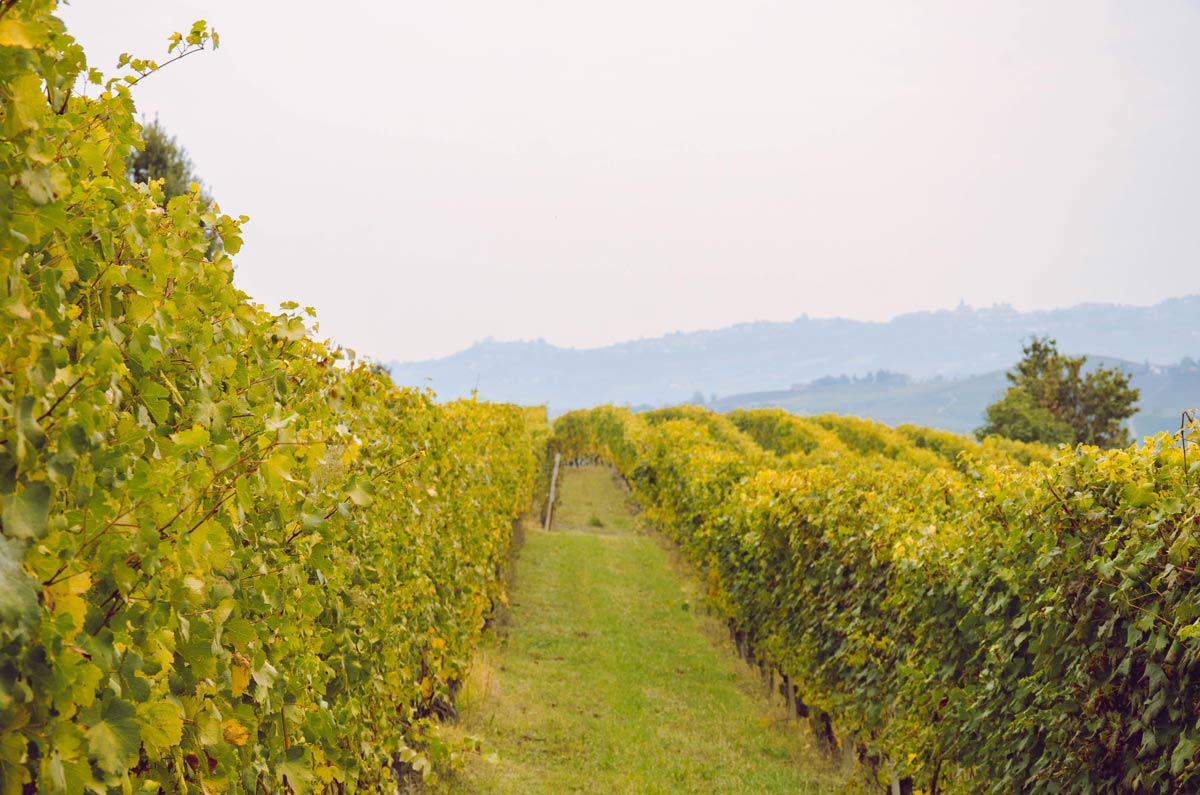
If you want the most finds in a single trip, go in October or November. The cardoons are coming in, the celery is around and the lamb is starting to appear. It’s also truffle season and the time of year when the vineyards turn gold, so you won’t be short on things to do between stops.
Rent a car, because most of these foods live far from any train station. Call ahead when you can, since many producers are small family operations. Learn a few words of Italian. And leave room in the trunk.
The best part of a hunt like this is who you meet along the way. Every one of these foods exists because someone decided it was worth saving. That’s a good reason to order seconds.

Laura Lynch, creator and writer of Savored Journeys, is an avid world traveler, certified wine expert, and international food specialist. She has written about travel and food for over 20 years and has visited over 75 countries. Her work has been published in numerous guidebooks, websites, and magazines.