

There’s something exciting about setting off on a cross-country road trip. You have the freedom to explore new places, take scenic detours, stop at roadside attractions, and discover towns you might never have visited otherwise. But spending several days or weeks on the road also requires a little more preparation than your average weekend getaway.
The last thing you want is to find yourself stranded on a remote highway with car trouble, scrambling to find a hotel, or realizing you’ve forgotten something important hundreds of miles from home.
Before you load up the car and hit the highway, take some time to go through these 10 essential checks. A little planning now can save you money, frustration, and unnecessary delays along the way.

1. Make Sure Your Vehicle Is Road-Trip Ready
Your car is going to be doing a lot of work on a cross-country road trip, so it’s worth making sure everything is in good condition before you leave.
Schedule a basic maintenance inspection, especially if you’re approaching a recommended service interval. Have your mechanic check the oil, brakes, battery, belts, hoses, and fluid levels. You should also check your windshield wipers and make sure all exterior lights are working properly.
Don’t overlook smaller issues you’ve been putting off. A battery that’s been struggling to start or a strange noise coming from your brakes might not seem urgent during your daily commute, but those problems can become much more inconvenient when you’re far from home.
Try to schedule any maintenance at least a week before your departure so you have time to address unexpected problems.
2. Check Your Tires for Wear and Weather Conditions
Your tires are one of the most important things to inspect before a long drive. You’ll potentially encounter thousands of miles of highway, changing road surfaces, and different weather conditions along the way.
Start by checking the tread depth and looking for cracks, bulges, uneven wear, or other visible damage. Check the air pressure when the tires are cold, using the recommended pressure listed inside your driver’s door rather than the maximum pressure printed on the tire itself.
It’s also worth considering whether your current tires are suitable for the places you’ll be traveling. A trip that starts in sunny California might take you through rainy mountain passes, colder northern states, or areas where early-season snow is possible.
If your route takes you through several different climates, all weather tires may be worth considering. They’re designed to provide dependable performance across a broader range of conditions, including wet roads and colder temperatures. Many models also carry the three-peak mountain snowflake rating, indicating that they meet specific snow-traction requirements.
Keep in mind that even all-weather tires have limitations, particularly in severe winter conditions, and you may still need chains or other traction equipment where required.
Finally, check your spare tire or tire repair kit and make sure you have the equipment needed to deal with a flat.

3. Review Your Route and Identify Potential Trouble Spots
Even if you prefer a spontaneous road trip, it’s helpful to map out your general route before leaving.
Look at how many miles you’ll be driving each day and whether there are long stretches without towns or services. Some of the most beautiful roads in the country also happen to be the most remote.
Pay particular attention to mountain passes, desert highways, national parks, and rural areas where gas stations can be few and far between.
It’s also a good idea to identify alternate routes in case of construction, road closures, or bad weather.
Google Maps is useful for planning, but don’t rely on having a constant cell signal. Download offline maps of the areas you’ll be traveling through so you can still navigate when you lose service.
4. Check the Weather Along Your Entire Route
One of the biggest mistakes you can make when planning a cross-country road trip is checking only the weather at your destination.
Conditions can change dramatically as you travel through different regions and elevations. You might leave home in warm sunshine and encounter heavy rain, high winds, freezing temperatures, or snow before reaching your next overnight stop.
Check forecasts for several major points along your route, particularly mountain passes and areas known for unpredictable weather.
Keep an eye on weather alerts as your departure date approaches, and continue checking conditions throughout the trip.
It’s also smart to build some flexibility into your schedule. If a major storm is moving through an area, an extra night at your hotel may be preferable to driving in hazardous conditions just to stay on schedule.
5. Make Sure You Have Roadside Assistance
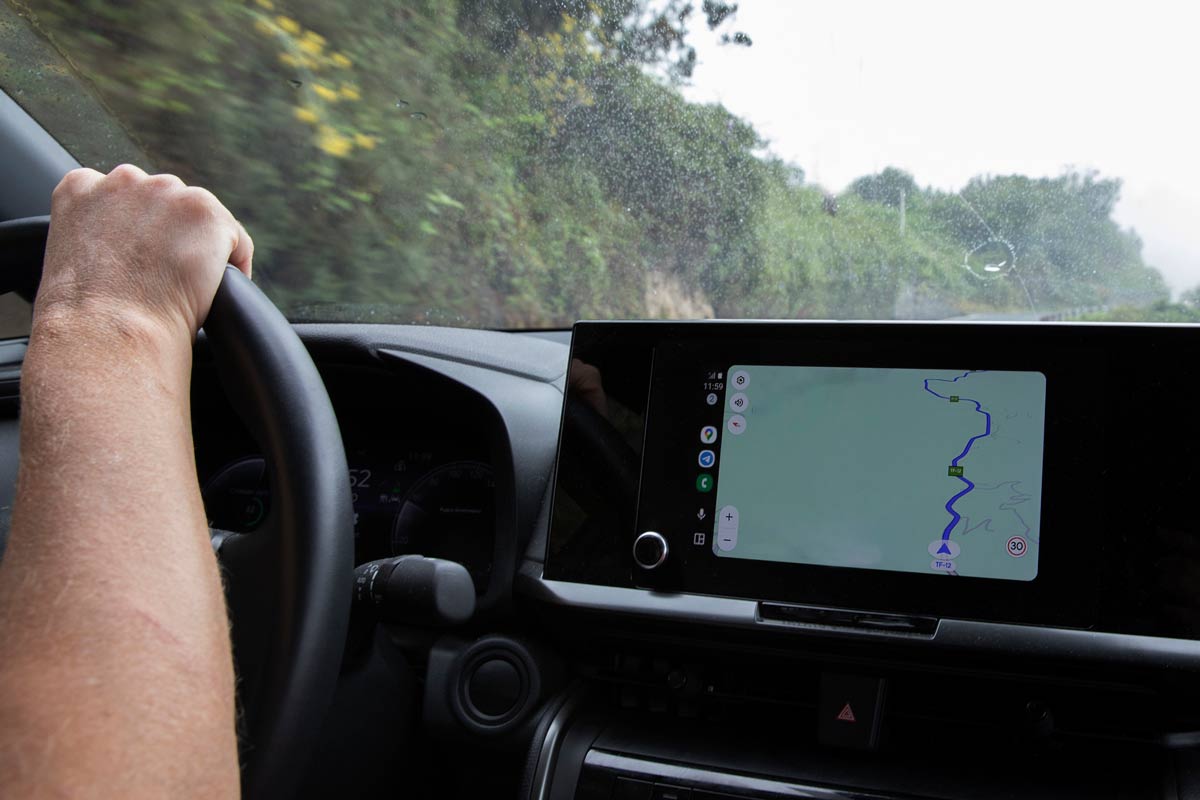
Even a well-maintained vehicle can develop problems unexpectedly, and having roadside assistance can make a stressful situation much easier to handle.
Before leaving, check whether you already have coverage through your auto insurance, vehicle manufacturer, credit card, or an organization like AAA.
Find out exactly what’s included. Some plans cover towing only for a limited distance, while others offer services like battery jump-starts, flat tire assistance, fuel delivery, and lockout assistance.
Pay attention to coverage limitations, particularly if you’ll be traveling through remote areas.
Save the roadside assistance number in your phone and keep a written copy in your glove compartment. If your phone battery dies or you lose internet access, you’ll be glad to have it.
6. Plan Your Overnight Stops in Advance
You don’t necessarily need to book every hotel before setting off, but having a general idea of where you’ll spend each night makes the trip much easier to manage.
When planning your driving days, remember that a six-hour drive on Google Maps can easily turn into eight hours once you factor in gas stops, meals, traffic, and sightseeing.
If you want time to explore along the way, aim for shorter driving days rather than trying to cover as much ground as possible.
Consider reserving accommodations in advance around popular national parks, major cities, and busy vacation destinations. Hotels in these areas can fill up quickly, particularly during summer and holiday travel periods.
For more flexibility, choose accommodations with free cancellation whenever possible. That gives you room to adjust your plans if you discover somewhere you’d like to stay longer.
7. Prepare an Emergency Kit
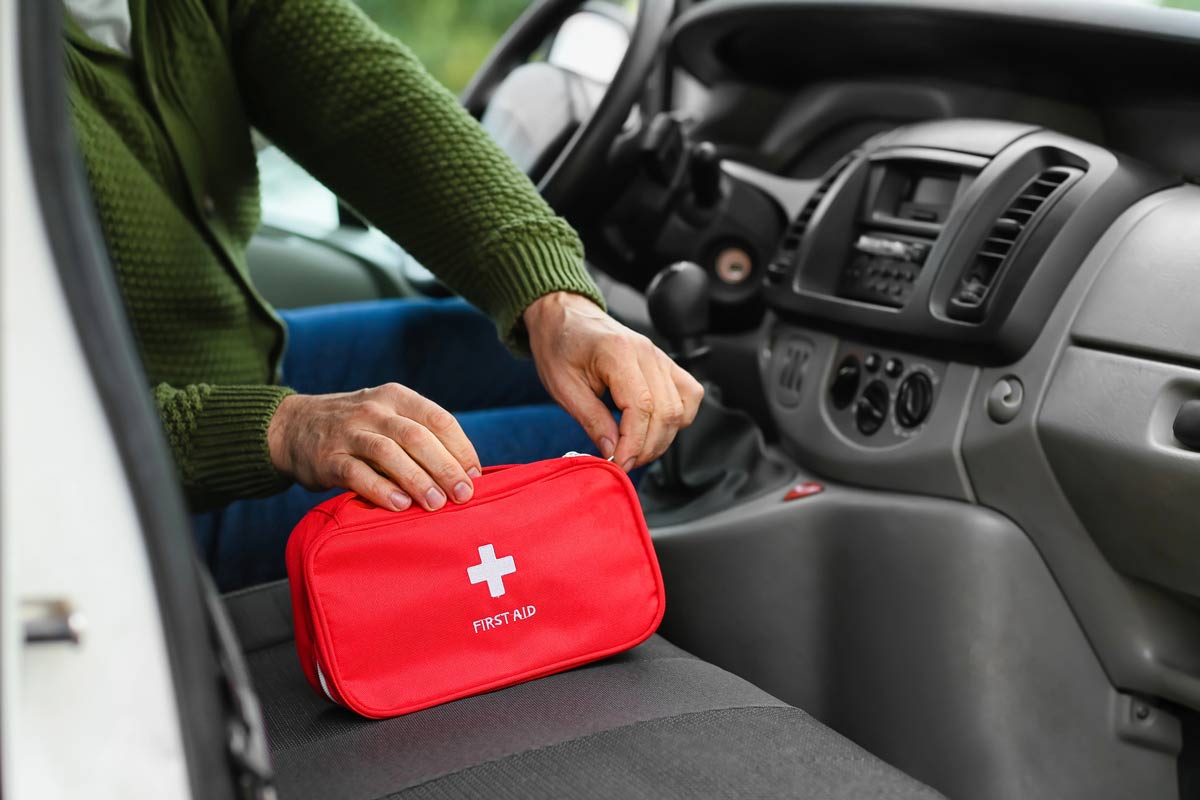
You hope you’ll never need an emergency kit, but it’s one of those things that’s worth having on every long road trip.
You don’t need to fill your trunk with equipment, but a few basic supplies can make a big difference if you experience a breakdown or unexpected delay.
At a minimum, pack:
- A first aid kit
- Jumper cables or a portable jump starter
- A flashlight with working batteries
- Bottled water and nonperishable snacks
- A phone charger and portable power bank
- A blanket and extra warm clothing
- Basic tools and a tire pressure gauge
- Reflective warning triangles or other emergency warning devices
If you’re traveling through snowy regions, you may also want an ice scraper, snow brush, and any required traction equipment.
Keep emergency supplies somewhere accessible rather than buried underneath all your luggage.
8. Check Your Insurance, Registration, and Important Documents
Before leaving home, make sure your driver’s license, vehicle registration, and auto insurance are all current.
It’s a good idea to have digital copies of important documents on your phone, along with any required physical copies.
If you’re driving a rental car, double-check the rental agreement for mileage allowances, additional driver requirements, and any restrictions on where you can take the vehicle.
You should also review your insurance coverage so you understand what happens if you’re involved in an accident far from home.
If your road trip will cross into Canada or Mexico, check the entry requirements and vehicle insurance rules well in advance. Your regular U.S. auto insurance may not provide the coverage you need in every country.
9. Make Sure Your Phone and Navigation Tools Are Ready
Your phone will probably serve as your GPS, camera, restaurant finder, hotel booking tool, and entertainment system throughout the trip.
Before you leave, update your navigation apps and download any maps, playlists, podcasts, or audiobooks you want available offline.
Check that your charging cables work properly and bring a car charger that can keep your phone powered during long driving days.
If you’re traveling with someone, it can be helpful to share your itinerary and keep important reservation confirmations accessible on both phones.
You might also want to download apps for finding gas stations, locating EV charging stations if applicable, checking road conditions, and discovering things to do along your route.
Just remember that technology isn’t foolproof. Having a basic understanding of your route is still helpful when your GPS loses reception or sends you somewhere unexpected.
10. Leave Room in Your Itinerary for the Unexpected
Once you’ve taken care of all the practical details, there’s one final thing worth checking: your schedule.
It’s tempting to fill every day with scenic viewpoints, national parks, restaurants, and attractions. But one of the best things about a cross-country road trip is the freedom to stop somewhere you hadn’t originally planned.
You might come across an interesting small town, discover a fantastic local restaurant, or decide that a particular stretch of coastline deserves a few extra hours.
Try not to schedule your driving days so tightly that every unplanned stop feels like a setback.
Build in extra time for traffic, weather delays, and sightseeing. If you have a particularly long driving day planned, consider following it with a shorter one so you don’t spend your entire vacation behind the wheel.
Some of the best road trip experiences are the ones you didn’t plan in advance.
Final Thoughts
A cross-country road trip is a fantastic way to see more of the country, but the experience is much better when you’ve taken care of the important details before leaving home.
Making sure your vehicle is in good condition, checking your tires, preparing for changing weather, and organizing your route can help you avoid many common road trip problems.
Once you’ve worked through these 10 checks, you’ll be in a much better position to enjoy the drive, explore new places, and make the most of the journey.
After all, the point of a road trip isn’t just getting to your destination. It’s enjoying everything you discover along the way.

Laura Lynch, creator and writer of Savored Journeys, is an avid world traveler, certified wine expert, and international food specialist. She has written about travel and food for over 20 years and has visited over 75 countries. Her work has been published in numerous guidebooks, websites, and magazines.