

Layovers have become an unavoidable part of modern travel. As airlines streamline routes and international trips increasingly rely on connections, millions of travelers now spend hours inside airports every single day. For some, it’s a quick coffee and a charging socket. For others, it’s a six-hour wait that needs food, rest, and something to do in between.
A new study by TripSIM analyzed 50 of the world’s busiest international airports to find out which ones truly deliver the best layover experience, based on six equally weighted factors: restaurants and cafés, shops, entertainment amenities, showers and on-site hotels, connectivity and tech amenities, and rest zones.
1. Singapore Changi Airport, Singapore
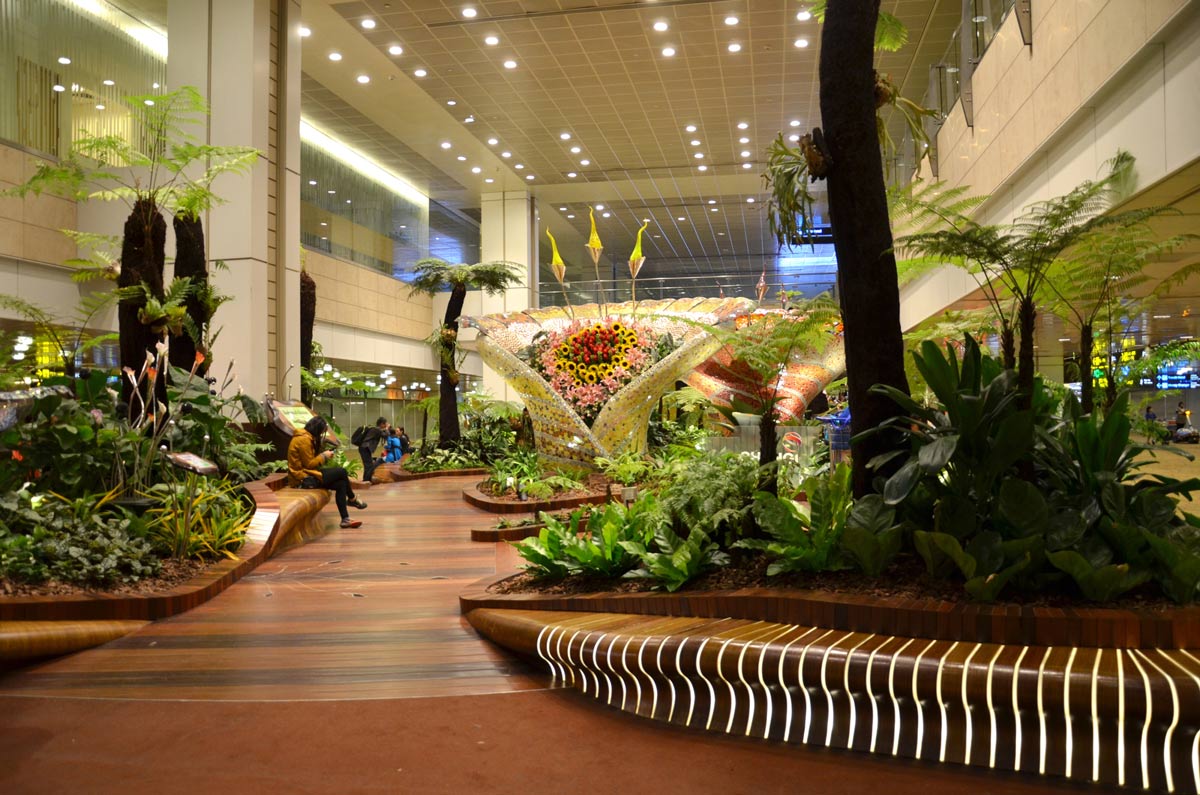
Singapore Changi Airport comfortably claims the top spot, delivering one of the most well-rounded layover experiences in the world. It ranks first overall for entertainment amenities (41), connectivity and tech amenities (100), and rest zones (30), making it ideal for both productivity and relaxation. The airport also ranks second for restaurants and cafés (181) and second for shops (123), showing strength across every category. With features like indoor gardens, movie theaters, quiet lounges, and lightning-fast Wi-Fi, Changi’s high ranking reflects years of sustained investment in passenger comfort rather than just scale.
2. Dubai International Airport, United Arab Emirates
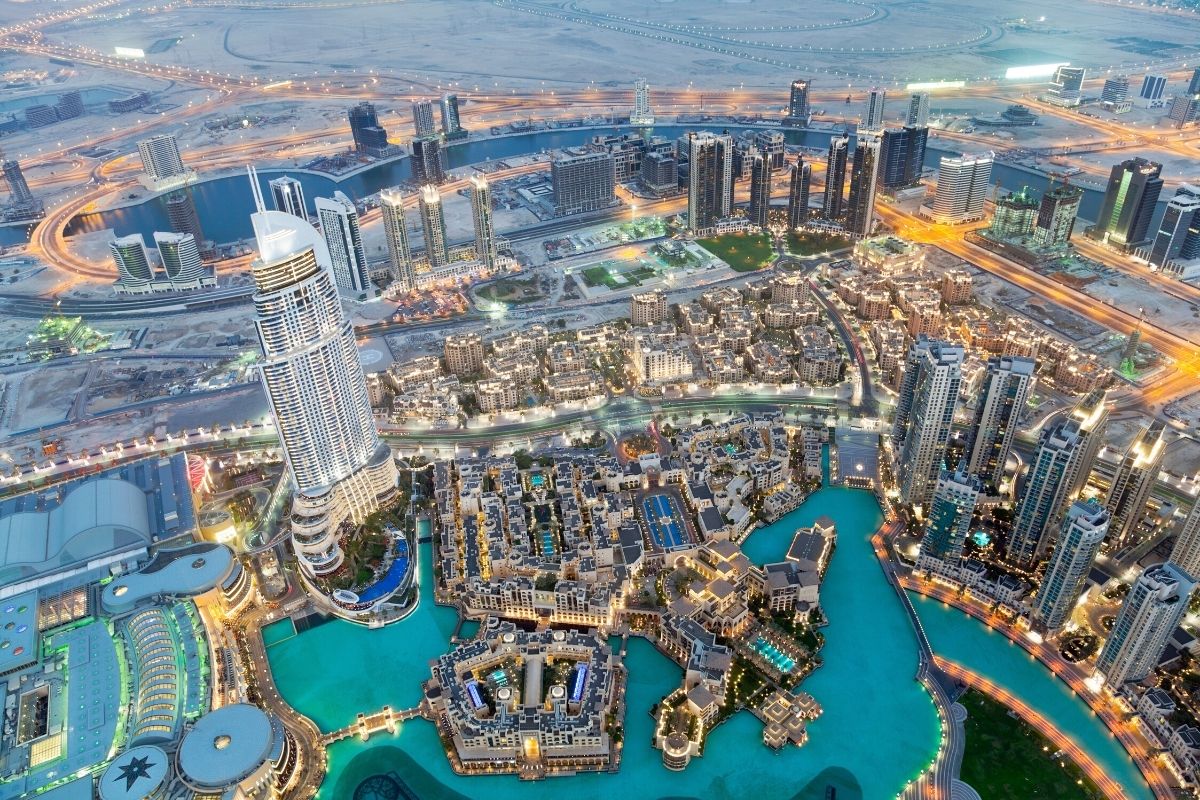
Dubai International Airport ranks second overall and stands out most for retail and comfort. It finishes first for shops (173) and first for showers and on-site hotels (14), making it especially appealing for long international connections. The airport also ranks second for entertainment amenities (34) and second for rest zones (26), while placing fourth for connectivity and tech amenities (97). Dubai’s strength lies in its ability to keep travelers comfortable and entertained regardless of layover length, backed by a design that caters heavily to transit passengers.
3. New Delhi Indira Gandhi Airport, India
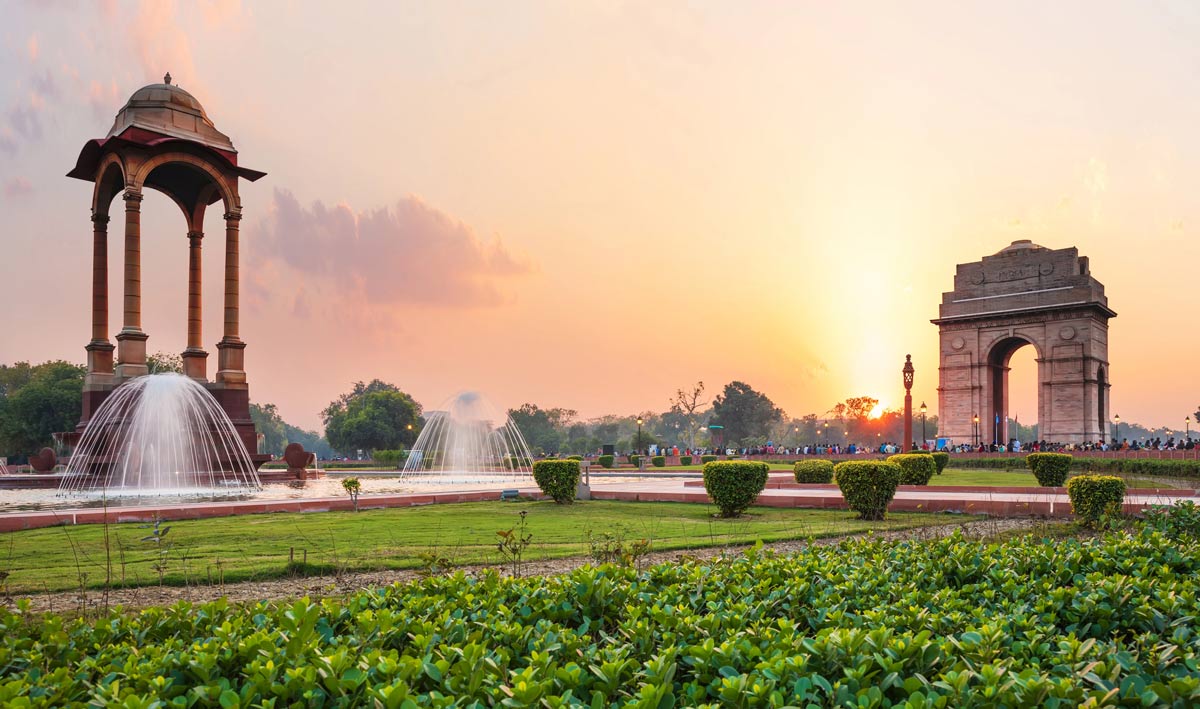
New Delhi’s Indira Gandhi Airport ranks third overall and leads the entire study for food, placing first for restaurants and cafés (208). It also ranks fifth for shops (118) and sixth for entertainment amenities (22). While its showers and on-site hotels (8, ranked 9th) and rest zones (15, ranked 8th) are more modest compared to top hubs, its dominance in dining helps push it high up the list. The airport’s ranking reflects how food quality and variety can significantly elevate the layover experience, even if other amenities are more limited.
4. Hong Kong International Airport, Hong Kong SAR

Hong Kong International Airport delivers consistency across the board, with no major weaknesses. It ranks fifth for restaurants and cafés (154), fourth for entertainment amenities (26), and sixth for connectivity and tech amenities (95). Its showers and on-site hotels (9, ranked 7th) and rest zones (18, ranked 5th) reinforce its appeal for longer connections. The airport’s balanced performance reflects its role as a global transit hub designed to move passengers smoothly while keeping them comfortable in between flights.
5. Doha International Airport, Qatar
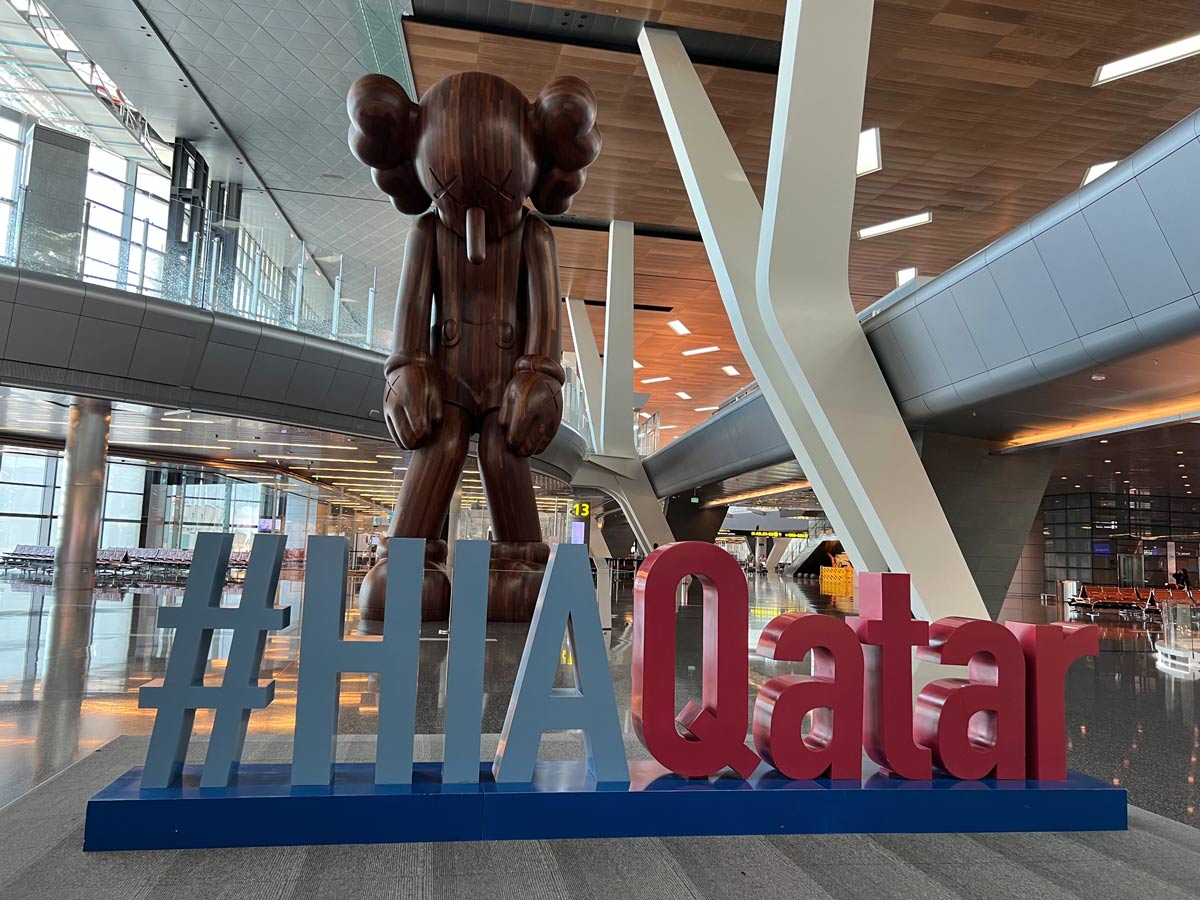
Doha International Airport ranks fifth overall, excelling particularly in retail and connectivity. It places fourth for shops (123) and fifth for connectivity and tech amenities (96), while also ranking fifth for showers and on-site hotels (11). Although it sits lower for restaurants and cafés (64, ranked 18th), the airport compensates with modern infrastructure and premium facilities aimed at transit passengers. Its ranking highlights how strong tech and comfort features can offset fewer dining options.
6. Incheon International Airport, Seoul, South Korea
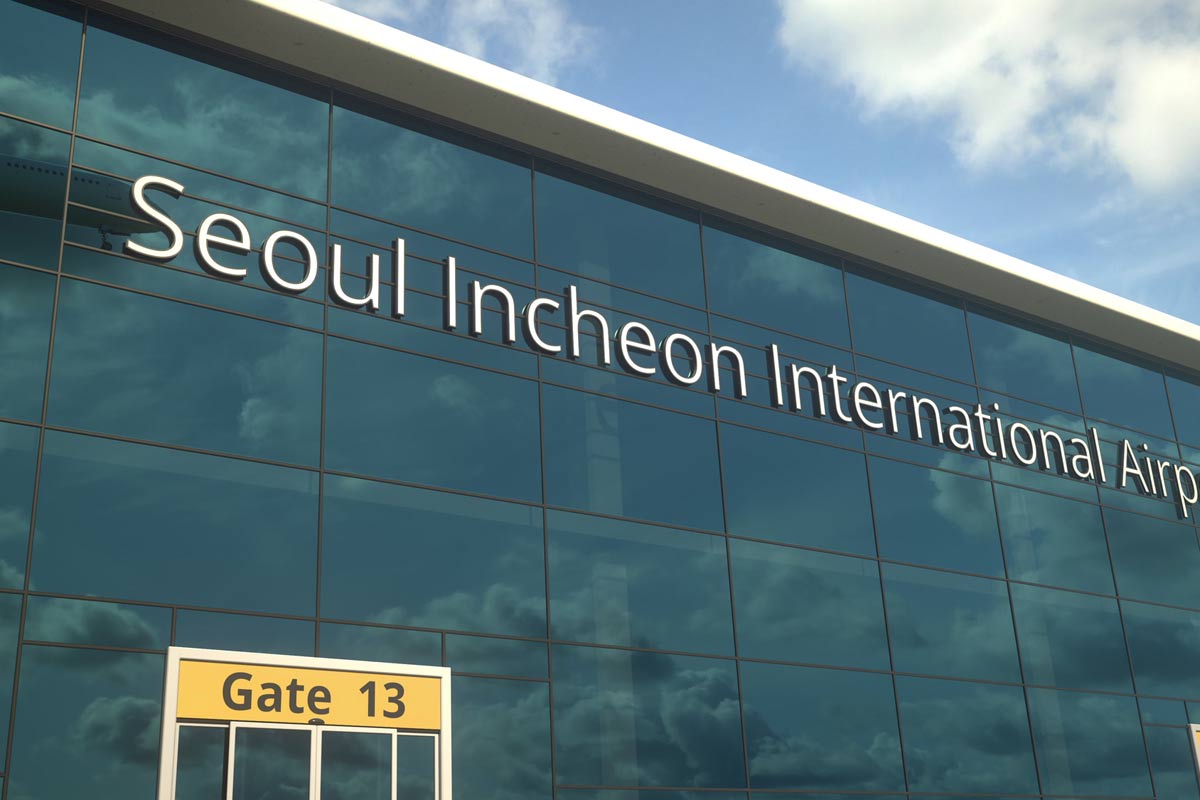
Incheon International Airport stands out for its emphasis on entertainment and connectivity rather than sheer volume. It ranks third for entertainment amenities (28), third for connectivity and tech amenities (98), and third for rest zones (22). While its restaurants and cafés (36, ranked 27th) and shops (37, ranked 21st) are fewer than some competitors, Incheon’s focus on relaxation zones, cultural exhibits, and digital convenience makes it especially appealing for long layovers where rest matters most.
7. London Heathrow Airport, United Kingdom
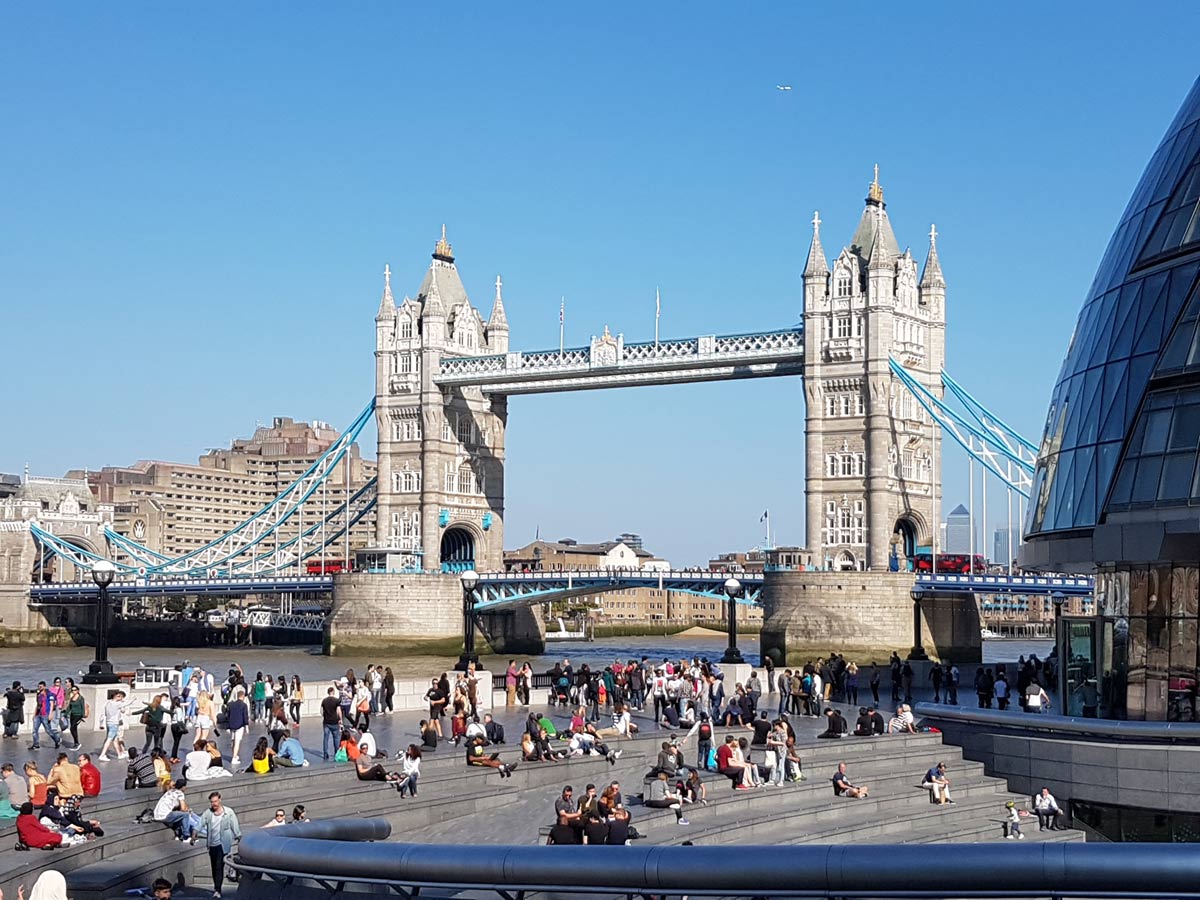
London Heathrow ranks seventh overall, driven largely by its strong food scene. It places third for restaurants and cafés (178), reflecting its wide range of dining options across terminals. However, it ranks lower for shops (22, ranked 31st) and rest zones (10, ranked 17th), which pulls down its overall score. Heathrow’s position highlights how even globally important airports can struggle with space and comfort, particularly during peak travel hours.
8. Tokyo International Haneda Airport, Japan

Tokyo Haneda Airport offers a solid all-round experience, ranking fifth for entertainment amenities (23) and ninth for connectivity and tech amenities (92). It also performs well for dining, with 117 restaurants and cafés (ranked 10th). While its showers and on-site hotels (7, ranked 13th) and rest zones (14, ranked 10th) are more limited, Haneda’s efficiency and cleanliness contribute to a smoother layover overall.

Laura Lynch, creator and writer of Savored Journeys, is an avid world traveler, certified wine expert, and international food specialist. She has written about travel and food for over 20 years and has visited over 75 countries. Her work has been published in numerous guidebooks, websites, and magazines.