

When people picture a safari, they usually think of lions, elephants and sweeping sunsets. We think about the food too. Meals on safari are a surprisingly big part of the experience, from bush breakfasts to candlelit dinners with a view of the savannah. If you love eating and drinking your way around the world, here’s what to expect.

Bush Breakfasts and Brunches
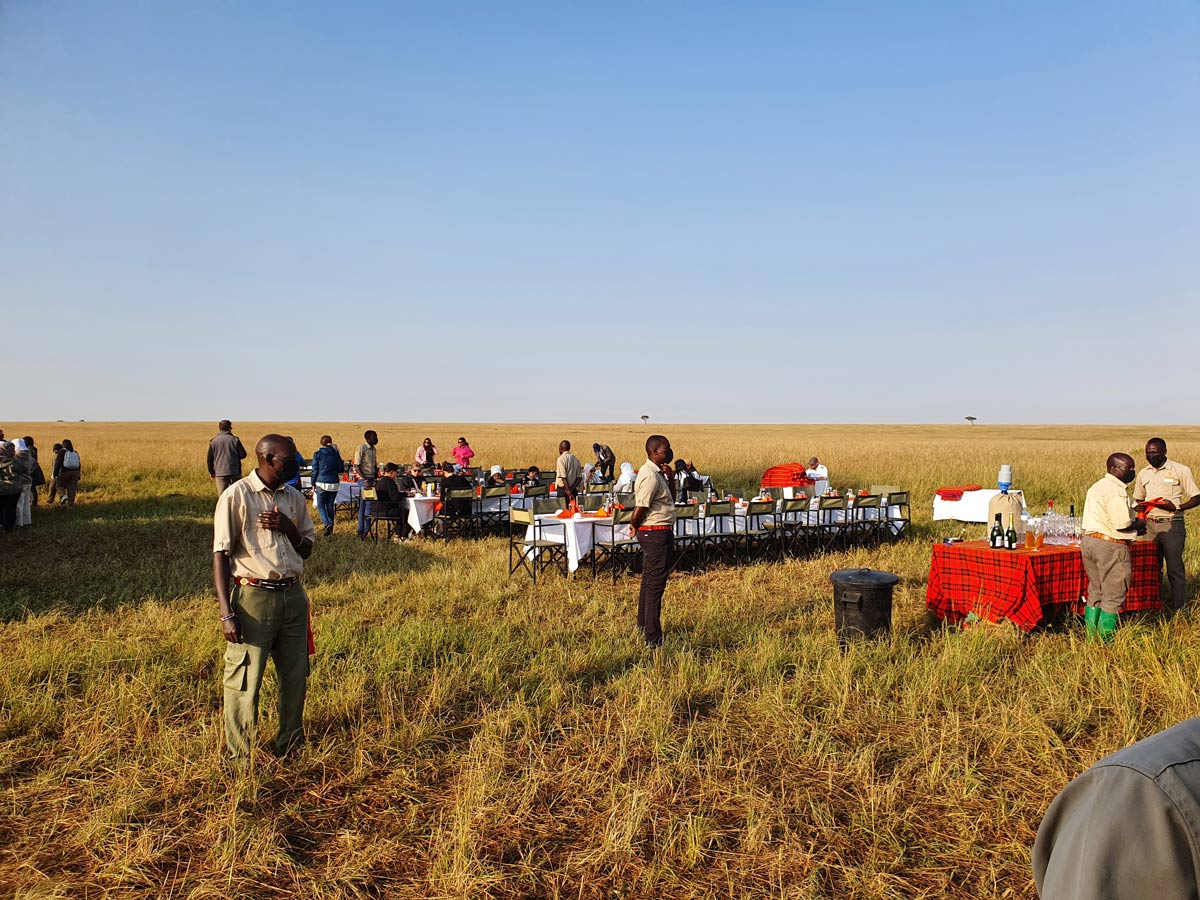
Game drives start early, often before sunrise, so a hot drink and a rusk (a hard, dry biscuit made for dunking) usually get you going. After a couple of hours of watching wildlife, many camps set up a bush breakfast in a scenic spot, with eggs cooked to order, fresh fruit, pastries and strong coffee. It’s one of those meals that tastes better because of where you’re eating it.
How Well Will You Eat?
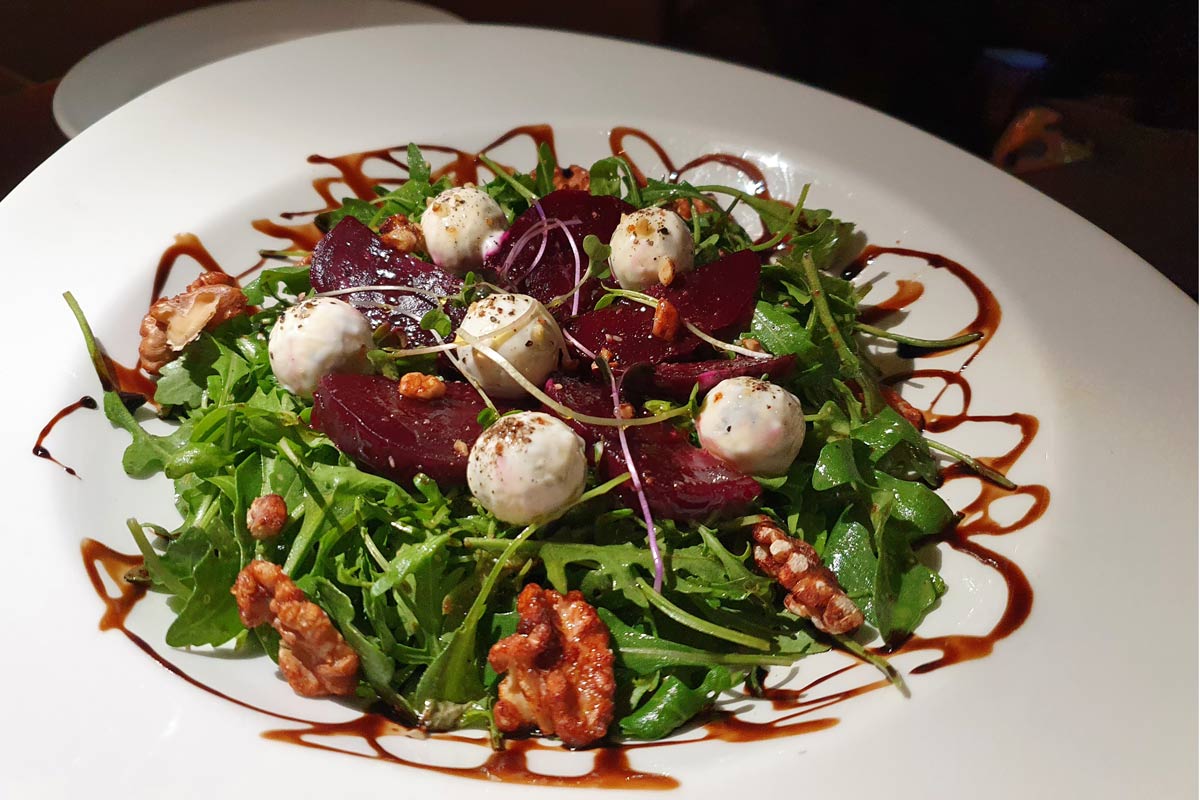
Food standards vary widely from one camp to another. Basic tented camps often serve hearty, simple meals, while a luxury safari tends to come with chef-prepared menus, local ingredients and a serious wine list. Kitchens in remote lodges are often impressively resourceful, turning out homemade bread, three-course dinners and desserts from tiny bush kitchens. Most will happily adapt menus for dietary needs if you let them know ahead of time, which is a real relief if you’re vegetarian, gluten-free or allergic to shellfish.
Eating on Safari With Children
Families often wonder how kids will cope with the food. The good news is that most camps are flexible, and many luxury family safaris include children’s menus, early dinners and activities such as baking bread over a fire. Picky eaters can usually get pasta, chicken or simple breakfast staples, and a few lodges even let kids help the chef. It’s a nice way to get them interested in where food comes from.
Sundowners and the Art of the Bush Drink
The sundowner is one of the best traditions on safari. Guides stop the vehicle at a scenic spot just as the light turns golden, then set out gin and tonics, local beers, wine and snacks. In South Africa you might try a glass of Chenin Blanc or Pinotage, and in Kenya a cold Tusker beer is a staple. Biltong, the dried cured meat popular in Southern Africa, often makes an appearance, along with roasted nuts, olives and cheese. It’s a simple pleasure, but with a glowing sky and a herd of elephants in the distance, it feels like a feast.
Coffee, Tea and Everything Warm
Coffee culture is strong in East Africa, and Kenyan and Tanzanian beans are well regarded. In South Africa, rooibos, a naturally caffeine-free red bush tea, is a local favourite and makes a lovely evening drink. Some camps serve hot chocolate or coffee with a splash of Amarula, the creamy South African liqueur, at the morning stop, which is very welcome when it’s chilly before dawn.
Dinner Around the Fire
Evenings often end with dinner under the stars. In Southern Africa, you may be invited to a boma dinner, where guests eat in an open-air enclosure around a fire, with traditional dishes such as potjiekos (a slow-cooked stew), grilled meats and pap, a maize porridge. The setting is as memorable as the food, with the sounds of the bush all around you.
Local Dishes Worth Trying
Look out for regional specialities when you get the chance. In Kenya, nyama choma, slow-grilled meat often served with ugali (a firm maize porridge) and kachumbari, a fresh tomato and onion salad, is a classic. In Tanzania, you might find pilau, a spiced rice dish with Swahili coastal influences. In South Africa, boerewors sausage, bobotie (a spiced mince dish with an egg topping) and malva pudding are all worth a try. Camps tend to blend local flavours with international cooking, so you’ll often get the best of both.
Cooking Classes and Kitchen Visits
Some lodges invite guests into the kitchen or run hands-on sessions, which is a great way to learn how local dishes come together. You might learn how to bake bread in a cast iron pot over coals, prepare a braai (the South African version of a barbecue) or mix a signature cocktail with local ingredients. These experiences tend to be informal and sociable, and they make a lovely souvenir of the trip when you try the recipes at home.
Add Some Wine Country
South Africa makes it easy to combine a safari with a food and wine trip. Cape Town, Stellenbosch and Franschhoek are known for excellent restaurants and some of the most beautiful wine estates in the world, and they’re a short flight from the major safari reserves. Many travellers spend a few nights in the winelands before or after the bush, which strikes a nice balance between adventure and indulgence.
A Few Practical Tips
Tell the camp about allergies when you book, and only drink water from the sources your guide recommends. Keep a few snacks in your bag for long drives, and travel with a reusable bottle, as many camps provide refills. A small bottle of hot sauce or a favourite spice mix can also come in handy if you like a bit of extra kick at mealtimes.
Final Thoughts
Great food turns a good safari into a great one. Come hungry, try something new at every meal and don’t skip the sundowners. Your taste buds will thank you long after the trip is over.
Laura Lynch, creator and writer of Savored Journeys, is an avid world traveler, certified wine expert, and international food specialist. She has written about travel and food for over 20 years and has visited over 75 countries. Her work has been published in numerous guidebooks, websites, and magazines.